Katalyst Space and NASA abandon plans for Swift reboost
Katalyst Space and NASA have called off plans to use the company’s Link spacecraft to raise the orbit of the agency’s Swift gamma-ray observatory, citing attitude-control problems with the spacecraft. The post Katalyst Space and NASA abandon plans for Swift reboost appeared first on SpaceNews .
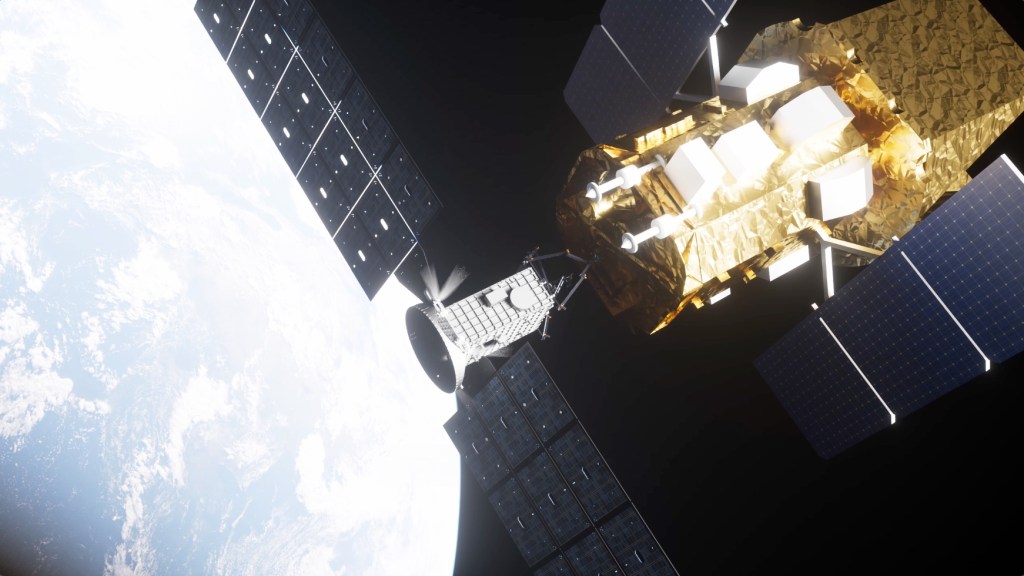
NASA's mission to save its aging Swift observatory in space was abandoned on Wednesday due to technical problems with the rescue spacecraft, Katalyst Space's Link craft, reported Katalyst Space. The spacecraft, launched in early July, was tasked with approaching the Swift observatory, about 347km (216 miles) into space, attaching itself, and then boosting it to a higher orbit of approximately 600km (373 miles).
This extension of the observatory's life was anticipated to span several more years. However, the Link craft began spinning erratically shortly after entering space. Katalyst engineers devoted weeks to attempting to regain control, uploading new software last week that reduced but did not stop the erratic spinning. Katalyst Space and NASA jointly announced on Wednesday that due to persistent attitude control issues with the Link spacecraft, the rescue and boost mission for NASA's Neil Gehrels Swift Observatory would not proceed.
This mission failure means the Swift observatory, valued at $500 million and studying gamma-ray bursts and other cosmic phenomena since 2004, is expected to fall into Earth's atmosphere and burn up later this year. The rescue mission was an ambitious endeavor for Arizona-based start-up Katalyst, which built and tested the Link rescue vehicle on a nine-month production schedule with a $30 million NASA contract.
Katalyst CEO Ghonhee Lee expressed pride in the company's accomplishments along the way, noting they had learned a "tremendous amount" during the mission and plan to apply those lessons to future flights.
Written by urgent.news from South China Morning Post's reporting — not their text. Machine-written — may contain errors; check the original before relying on it.
This story
This is one outlet's version. Read the fullest account.
- Rescue mission for ageing Nasa space telescope fails scmp.com
- NASA satellite rescue mission fails, swift telescope set to fall to earth france24.com
- NASA will no longer attempt to save its aging Swift space telescope cbc.ca
- NASA's Swift telescope will plunge toward Earth after rescue mission called off cbsnews.com
- NASA, Katalyst call off SWIFT rescue mission over issues with rescue craft in space channelnewsasia.com