JP Morgan warns rebound in UK inflation is ‘warning shot for what could come next’; oil prices rise again – business live
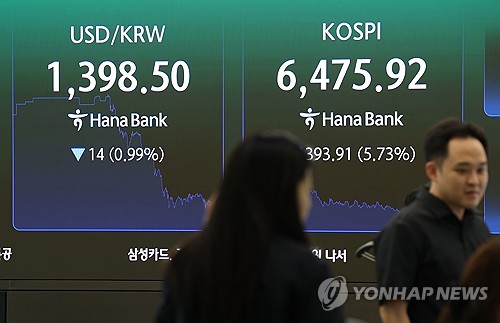
Inflation rebound driven by biggest jump in gas bills since October 2022; Asian shares slump after Wall Street chip sell-off Britain’s new prime minister Andy Burnham has pledged to ease cost of living pressures, and has already announced measures including a tax cut on household electricity prices and a cap on bus fares. John Healey said in response to the latest inflation figures: Iran war…

Inflation in the UK has recently surged, with gas bills rising to their highest level since October 2022, according to JP Morgan's warning. This sharp increase has sent shockwaves through the economy, prompting concerns about the potential for further inflationary pressures to come. Asian markets have taken a hit following a major sell-off on Wall Street, further exacerbating the economic fallout.
In response to the latest inflation figures, the newly appointed Prime Minister Andy Burnham has pledged to tackle the cost of living pressures facing British households. Burnham has already introduced measures aimed at alleviating the financial burden, including a tax reduction on household electricity prices and a cap on bus fares at £2. These initiatives are designed to provide a much-needed respite for those struggling to make ends meet in the face of rising living costs.
John Healey, a prominent voice in the aftermath of the inflation data release, emphasized that the war in Iran continues to exert a significant impact on prices domestically. Despite the challenges posed by geopolitical tensions, Healey maintained that Britain's economy remains resilient. The government's efforts to cut VAT on electricity bills and cap bus fares have been seen as crucial steps in providing breathing space for families and individuals feeling the strain of the economic downturn.
The situation remains far from normal in the Strait of Hormuz, where a clunky ceasefire has yet to be achieved. The ongoing tensions in the region have cast a cloud of uncertainty over the future of global oil prices, indicating that the pressure on inflation is likely to persist well into the remainder of the year. As the situation unfolds, the UK and its citizens will continue to grapple with the far-reaching consequences of this unexpected inflationary spike.
Written by urgent.news from Guardian Business's reporting — not their text. Machine-written — may contain errors; check the original before relying on it.