Job Stability Across Generations: Why Young Workers Change Jobs
For much of the 20th century, staying at the same company for 20, 30, or even 40 years was relatively common. For many generations of parents and grandparents, starting a career meant finding a company where they could build practically their entire working life. A job represented not only a source of income, but also […]
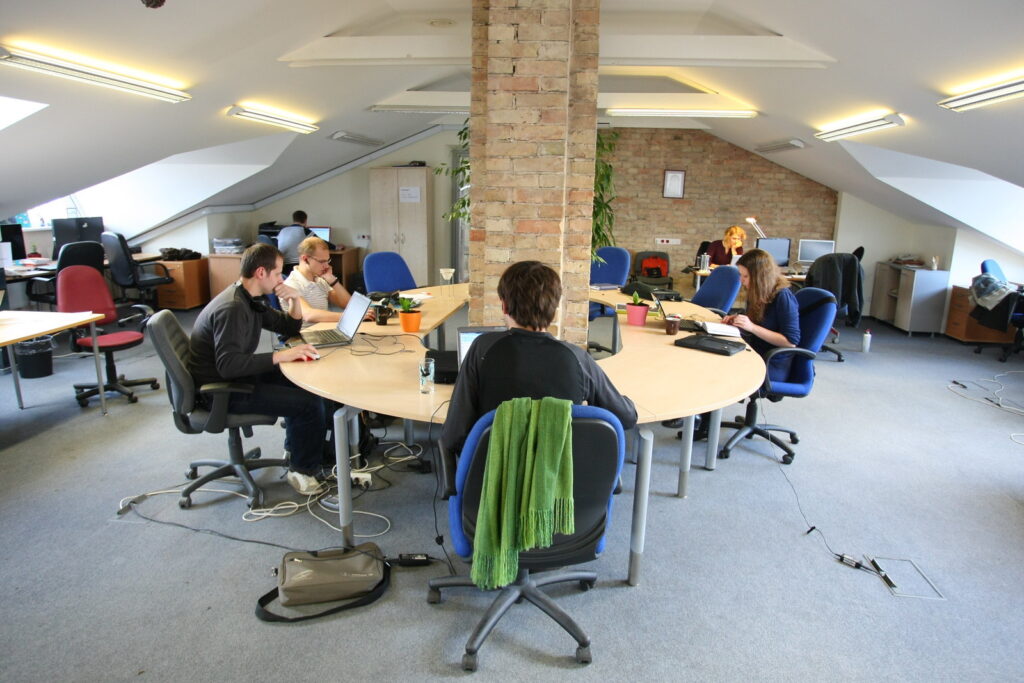
Job stability has undergone a significant shift across generations. For many young people today, changing jobs is a common strategy to improve their career prospects, rather than a departure from professional success. This contrasts with the previous generation, where staying with the same employer for several decades was the norm.
The labor market and attitudes towards work have evolved, leading to different expectations in the professional realm. The old model of job security and long-term employment was based on stability, benefits, and a predictable path toward retirement. Workers often stayed with the same company for decades, gaining experience, promotions, and eventually retiring within the same organization.
However, the current labor market is characterized by greater mobility. Young people now have access to more opportunities through online platforms, professional networks, and a wider range of job options both locally and globally. This has made it easier for workers to compare offers and find positions that better suit their needs and preferences.
Salary, flexibility, work-life balance, and personal well-being are now key considerations when choosing a job. Young workers are more likely to prioritize a positive work environment, remote work options, and opportunities for professional growth. The idea of sacrificing personal time for job stability is less appealing to this generation, which values well-being as an essential component of professional development.
Moreover, career advancement expectations have shifted. Previous generations often remained in the same role for several years before receiving a promotion, but today's young workers expect to take on new responsibilities and develop skills rapidly. If a company does not offer avenues for learning and advancement, changing jobs may be a logical decision.
This mobility is also tied to the evolution of various professions. Technology has created new positions and reshaped existing ones, requiring continuous learning to remain competitive. Staying in the same role for too long without updating one's skills can be seen as a professional risk.
In summary, the changing job landscape reflects a shift in values and expectations among different generations. Young workers today are more likely to view changing jobs as a strategic move to enhance their career prospects, while previous generations prioritized long-term employment and job stability.
Written by urgent.news from Colombia One's reporting — not their text. Machine-written — may contain errors; check the original before relying on it.