Japan’s migrant children: The hidden challenges of belonging
As Japan continues to debate migration, belonging is often framed as something migrants must eventually earn through adaptation and contribution.
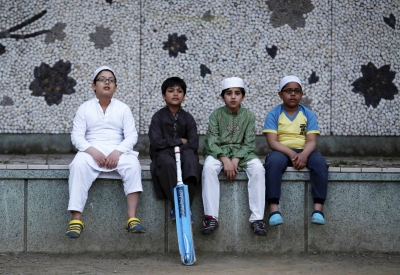
Migration is often discussed in terms of economics, demographics and border policy. Yet, the experiences of migrant children living in Japan are largely overlooked. Their journey into new classrooms, friendships and identities offers a unique perspective on integration and belonging.
Public debates in Japan surrounding migration primarily focus on labor shortages, social cohesion, demographic decline, and the question of who should be granted permission to stay. Migrants are frequently characterized by their economic contributions, integration capabilities, and long-term impact. However, the narrative often neglects the children who are the primary beneficiaries and bearers of these decisions.
Unlike their adult counterparts who apply for visas, choose their destinations, and engage in policy discussions, migrant children in Japan remain passive observers to their own lives. They do not decide when their families relocate nor do they participate in the discourse that shapes their future. Instead, they live with the consequences of these decisions, often without the opportunity to have their voices heard.
As Japan grapples with the realities of migration, it is crucial to recognize and address the unique challenges faced by migrant children. Their experiences provide a valuable lens through which to examine what true integration and belonging entail, beyond the economic and demographic considerations that dominate public discourse.
Written by urgent.news from Japan Times's reporting — not their text. Machine-written — may contain errors; check the original before relying on it.