ITWeb TV Biz: Building a network that thinks ahead
How prediction, on-site power and lower operating costs are shaping Telkom’s mobile network.
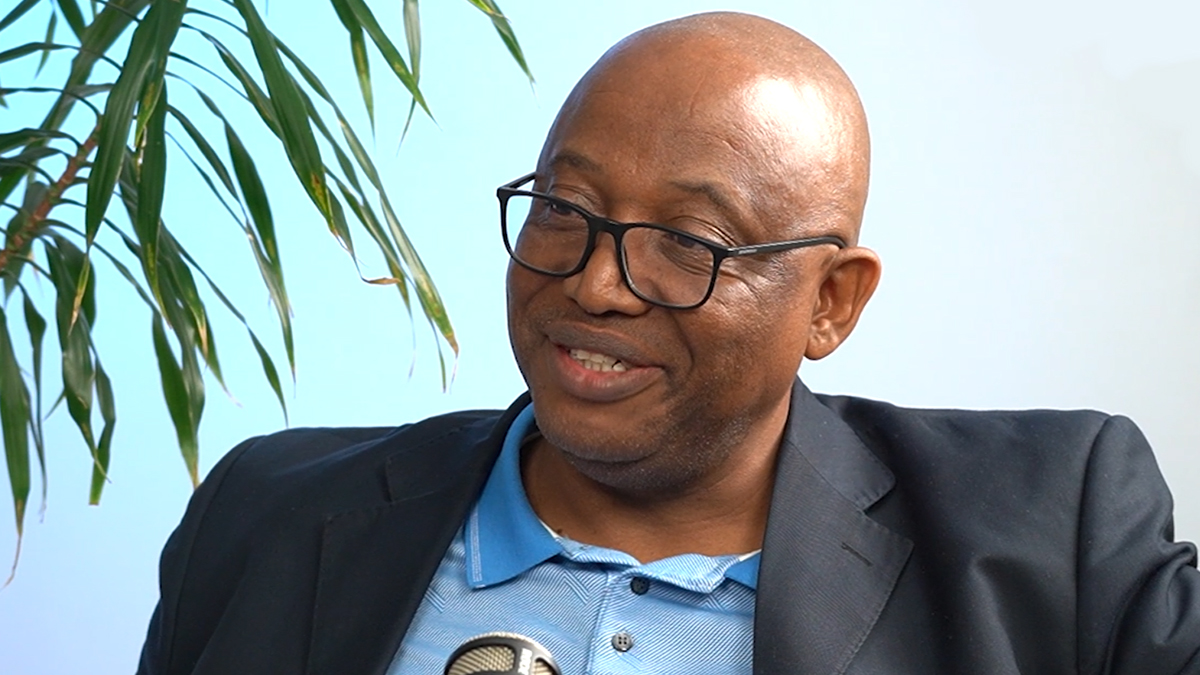
In South Africa, connectivity is crucial for people to work, start businesses and enjoy leisure activities. As the number of users rises, so do the opportunities tied to this connectivity. Telkom's mobile subscriber base has surpassed 25 million this year, and providing them with reliable, affordable, and high-quality connectivity is a significant engineering and commercial challenge.
Hercules Ragoleka, Telkom's executive for RAN engineering, build and optimisation, explains that customers seek dependable service, low costs, and top-notch connectivity. However, operators face rising expenses while investing in cutting-edge technology and maintaining older systems. In South Africa, cable theft and outages further complicate matters.
To address these challenges, Telkom is streamlining its network architecture by reducing layers and implementing standardised platforms, allowing them to achieve more with less.
A simpler network infrastructure is not only cost-effective but also makes monitoring and prediction easier. With machine learning now supporting predictive forecasting, self-healing, and traffic optimisation, Telkom can anticipate network issues before they affect customers. By addressing these problems proactively, Telkom's engineers can immediately resolve the issues before they become prolonged.
Telkom's investment in energy-efficient solutions, such as solar panels, batteries, intelligent power management, and cooling systems, helps reduce the significant cost and risk associated with network power. The company aims to achieve carbon neutrality by 2035 and net zero by 2040. Ragoleka emphasises that greener networks lower the cost of maintaining the network while improving reliability, service delivery, cost optimisation, customer experience, and business continuity.
Cable theft has prompted Telkom to incorporate similar thinking into its traffic routing, implementing diverse routes and adaptability in assurance to maintain services during outages. Every base station incurs a running cost, and it is essential that the traffic it serves justifies this expense. As a result, achieving coverage in rural areas is a more challenging commercial proposition than in urban centres.
However, smarter and greener networks can help lower operating costs, enabling Telkom to allocate more resources to underserved and rural areas, ultimately promoting digital inclusion.
As Telkom continues to expand its 4G and 5G networks, AI will be applied to capacity management, and further investments in resilient power will be made. Over the next 12 to 24 months, the focus will be on quality as much as on reach, with the company striving to become a backbone that contributes to the prosperity of South Africa's economy.
Written by urgent.news from ITWeb's reporting — not their text. Machine-written — may contain errors; check the original before relying on it.