Italian scientists bet on octopus to fight crab invasion
The invasive and voracious crustacean has ravaged shellfish production in the Adriatic.
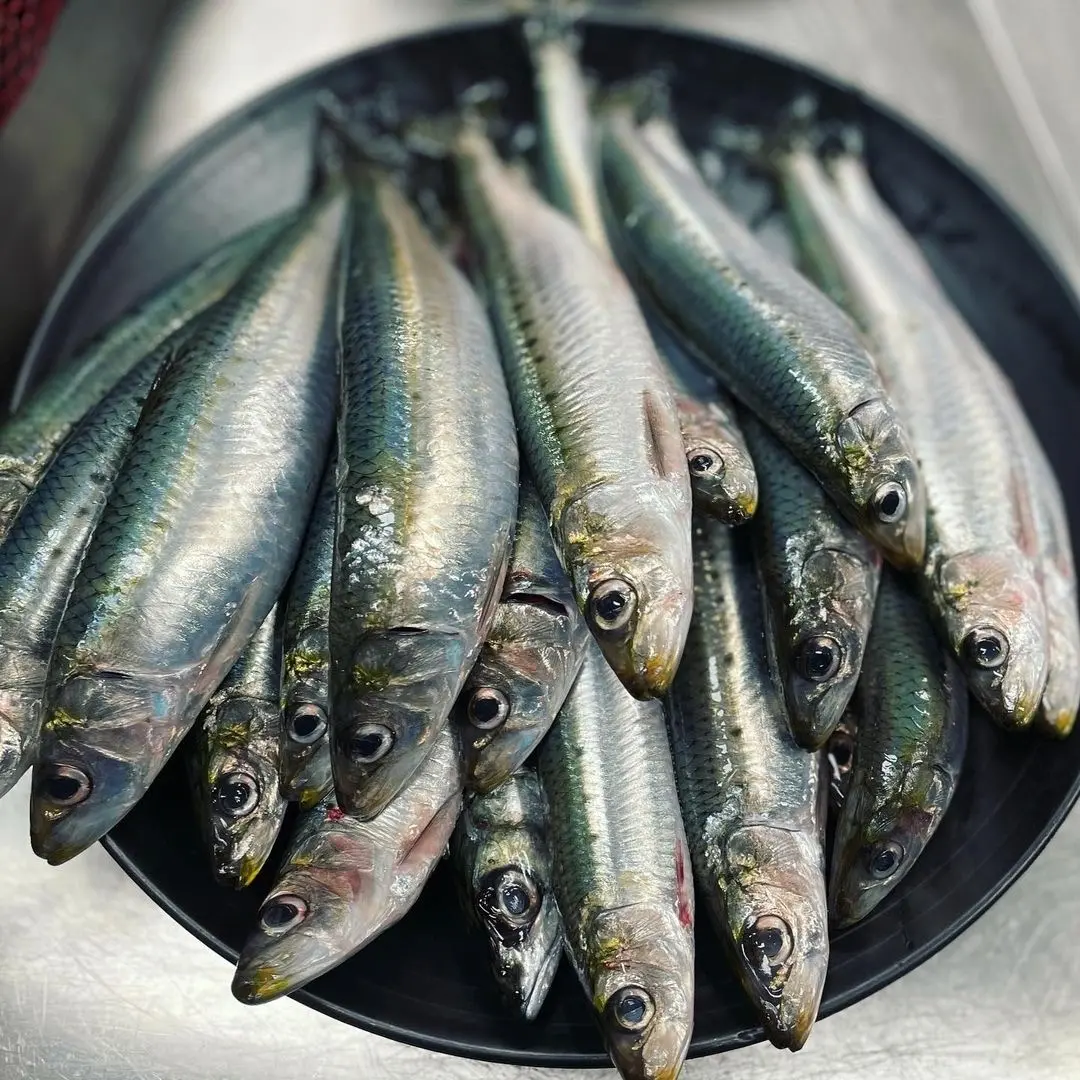
Cesenatico, Italy - In an effort to combat an invasive blue crab species that has ravaged local fisheries, Italian scientists from the University of Bologna have embarked on a daring mission. The team plans to release thousands of tiny octopuses into the Adriatic Sea, hoping the common octopus can help control the rapidly growing population of the blue crab.
Antonio Casalini, one of the researchers, explained that they chose the octopus because it is a formidable predator of crustaceans in the wild. The blue crab, native to the North American Atlantic coast, made its way to the Mediterranean decades ago, likely due to ballast water from ships. Their numbers have surged in recent years, attributed to warming waters and climate change.
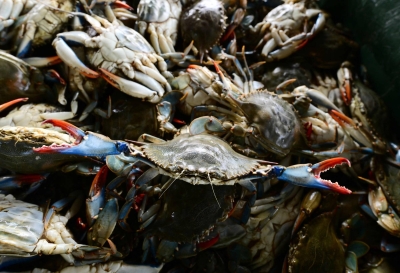
The blue crab, with its sharp, blue-tinted claws, has wreaked havoc in Italy's northeast, one of Europe's top clam-producing regions. Authorities in Bologna's Emilia-Romagna region reported that the species has caused almost €17 million ($20 million) in damages since 2022, with the northern Veneto region also facing significant losses.
Davide Sanulli, a fisherman and mussel farmer, described the impact of the blue crab, stating that it "eats everything, including young clams lying on the seabed." In lagoon-like areas off the Po River delta, the crab has caused a "massacre," according to Sanulli, who is supporting the university project.
The "Octo-Blu" project, launched last year and funded by the Emilia-Romagna region, aims to increase octopus numbers as a countermeasure to the hard-shelled invaders. The team breeds octopus hatchlings in white water tanks at a lab in the port town of Cesenatico. Once mature, the hatchlings are released into the sea, often using fishermen's boats like Sanulli's.
Currently, 80,000 octopuses have been released since June, with the researchers hoping to double that number by the end of August. However, they acknowledge that the common octopus may not be effective in the sandy, warm waters where the blue crab is causing the most damage. The researchers are exploring other potential crabs fighters, such as seabass and eels, which are known to consume crustacean eggs.
While other experts suggest that seabass could be more effective, the Bologna University team remains optimistic about their pilot project. If replicated, it could help limit blue crab numbers and mitigate the impact on the Adriatic coast's marine environment. Pietro Emmanuele, another University of Bologna researcher, noted that a single octopus could make a difference, as they lay millions of eggs with only a small fraction reaching adulthood.
Written by urgent.news from Japan Times's reporting — not their text. Machine-written — may contain errors; check the original before relying on it.