Iran sanctions dispute paralyses UN Security Council in record eight-month deadlock
Elected members of the UN Security Council and countries set to join it next year voiced alarm on Wednesday over an eight-month deadlock over leadership of its subsidiary bodies, led by a dispute over who should lead its Iran sanctions committee. The council has yet to agree on leaders and deputy leaders for its committees for 2026, the 10 elected members and five incoming countries said in a…
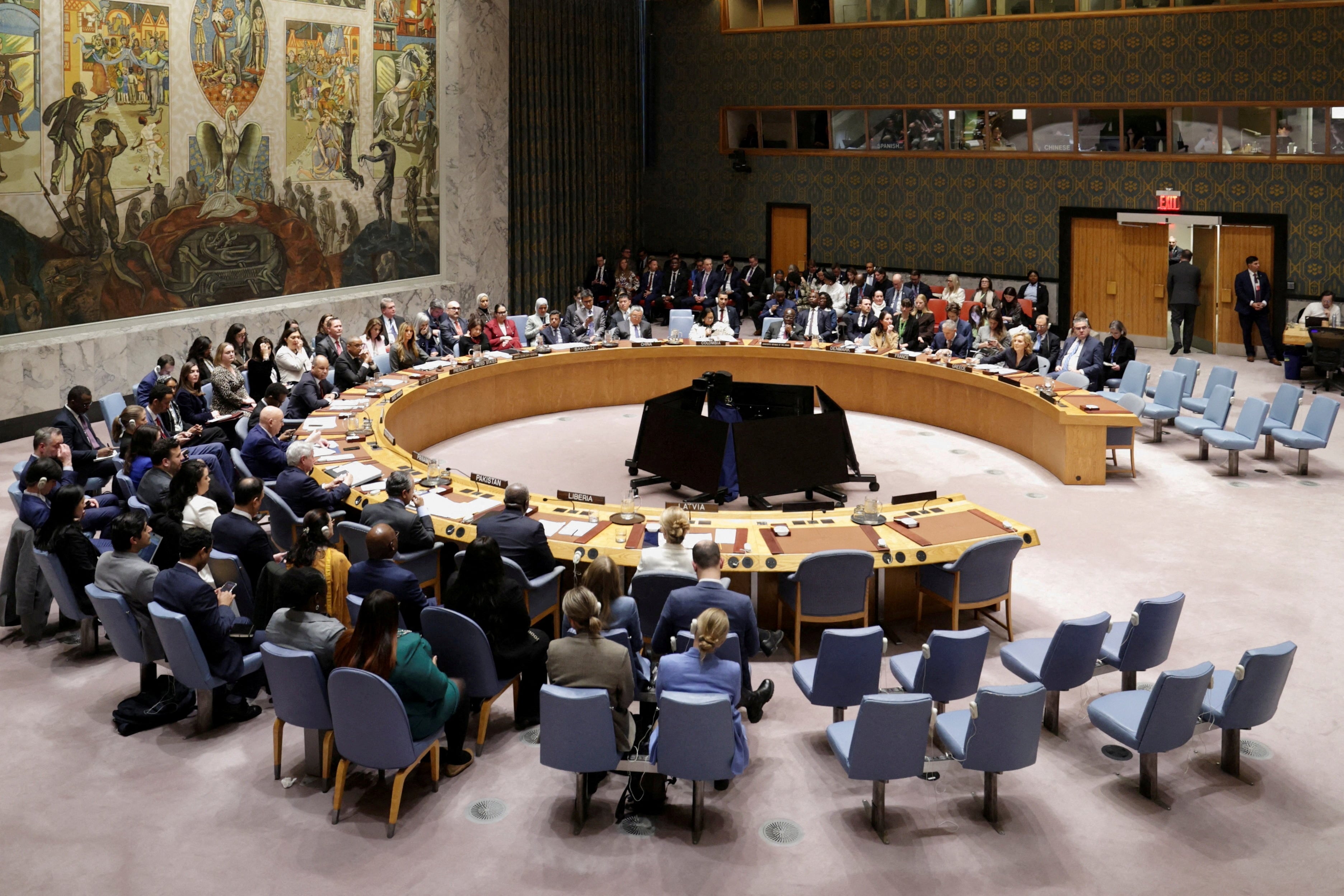
The United Nations Security Council (UNSC) has entered a record-breaking eight-month deadlock over the leadership of its subsidiary bodies, with the dispute centered around the Iran sanctions committee. The council's 10 elected members and five incoming nations expressed alarm over the prolonged impasse, stating that it undermines the council's effectiveness, credibility, and institutional integrity.
The deadlock stems from disagreements over who should lead the Iran sanctions committee and the broader issue of reimposing UN sanctions on Tehran through the snapback mechanism.
The snapback mechanism, a provision from the 2015 nuclear agreement between Iran and world powers, links the removal of sanctions from Tehran with its nuclear program concessions. The group attributed the impasse to a lack of compromise and called on those withholding agreement to demonstrate greater flexibility and political will.
Russia's UN envoy, Vasily Nebenzya, accused western members of refusing to reconsider sanctions regimes, arguing that the current sanctions no longer reflect the conditions in Iran. Russia and China, through their support for each other, are resisting efforts to craft compromises, according to Daniel Forti, head of UN affairs at the International Crisis Group.
Despite successive monthly council presidents assuming caretaker responsibilities to keep urgent business moving, the council has yet to agree on Chairs and Vice-Chairs for its subsidiary bodies as of eight months into 2026. The elected non-permanent members of the Security Council have put forward balanced proposals, but the ongoing deadlock signals an absence of compromise rather than a lack of practical solutions.
The council's working methods require members to seek agreement on leaders for subsidiary bodies by October 1.
Written by urgent.news from The National UAE's reporting — not their text. Machine-written — may contain errors; check the original before relying on it.