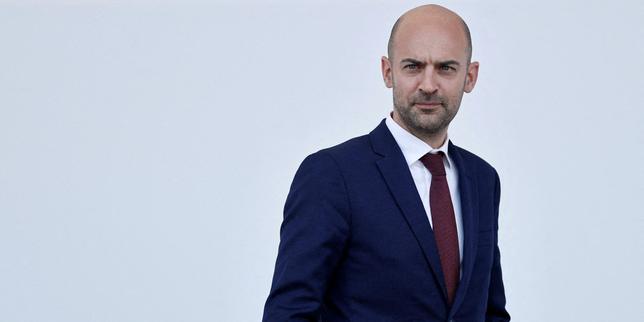
Iran parliament speaker Ghalibaf in Iraq for talks
Iran's parliament speaker Mohammad Bagher Ghalibaf, who led negotiations with the United States to end the Middle East war, arrived in Baghdad on Wednesday for talks. Ghalibaf will head "a high-level parliamentary delegation to discuss regional developments" and "strengthen strategic cooperation between Tehran and Baghdad," Iran's Fars news agency said. The visit comes as Iraq faces pressure from…
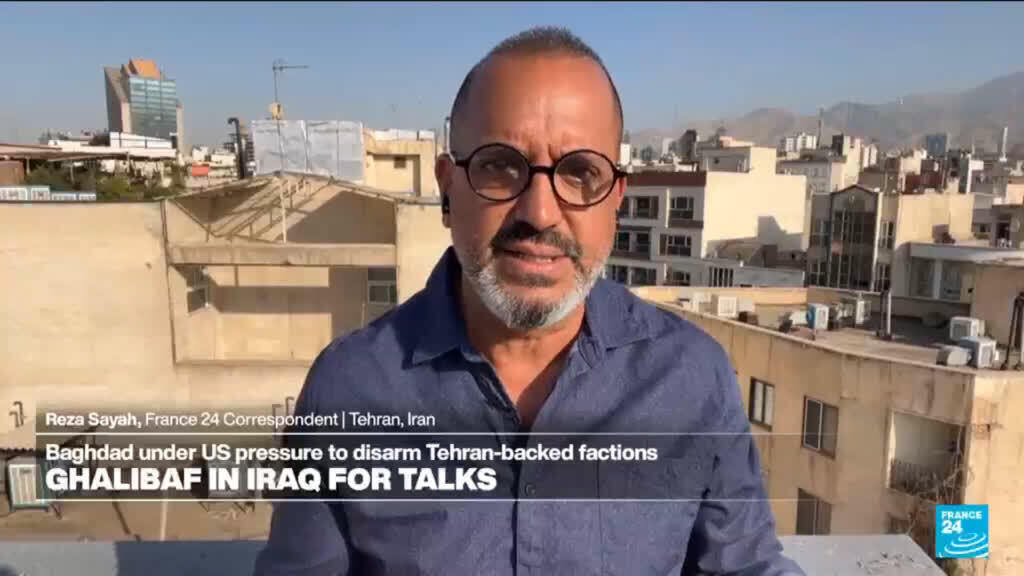
President Donald Trump appears to favor economic pressure tactics in his approach to the conflict with Iran, as negotiations stall. The administration has highlighted its naval blockade of the Strait of Hormuz and hinted at upcoming sanctions. President Trump indicated he is not in a rush to reach a resolution, suggesting a longer-term squeeze on Iran.
A 60-day memorandum of understanding between the U.S. and Iran expired without a replacement. Treasury Secretary Scott Bessent stated the president is prepared to implement unprecedented economic isolation measures against Iran. However, the impact of the blockade on the Iranian economy remains uncertain, with effects potentially taking months to surface.
The administration is considering targeting China, a key trade partner for Iran, though the extent of Beijing's involvement in the conflict and potential repercussions of such measures are subjects of debate within the administration. Iranian officials and experts argue that any economic strain from increased sanctions would likely be absorbed by the Iranian populace through inflation, rather than significantly altering Tehran's stance towards the U.S.
Written by urgent.news from ABC News (US)'s reporting — not their text. Machine-written — may contain errors; check the original before relying on it.