Intel’s next laptop CPUs could get a huge cache upgrade with Razor Lake
Intel’s rumored Razor Lake mobile CPUs could introduce bLLC for much larger cache pools, while an early manufacturing claim has already shifted from TSMC N2X to the less clearly defined N2P V2.
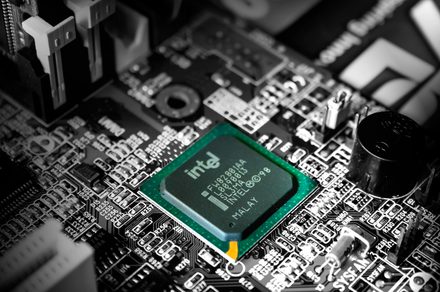
Intel's upcoming laptop CPUs may see a significant increase in cache capacity with the release of Razor Lake, according to leaker Jaykihn. The new generation could potentially include mobile SKUs with big last-level cache (bLLC), expanding Intel's large-cache strategy to notebooks. BLLC would provide selected processors with a more substantial cache pool, potentially giving high-end laptops a more compelling cache upgrade compared to previous refreshes.
However, the details remain speculative as Intel hasn't officially confirmed Razor Lake or the bLLC specification. The corrected process claim, previously identified as TSMC's N2X, has been revised to N2P V2, although its official status is uncertain. If bLLC is confirmed for mobile chips upon release, it could give future gaming laptops an architectural advantage beyond higher clock speeds and core counts.
The comparison to AMD's X3D lineup, which has already capitalized on extra cache for gaming CPUs, suggests that Intel's move could further bolster the competitive landscape for notebook processors.
Written by urgent.news from Digital Trends's reporting — not their text. Machine-written — may contain errors; check the original before relying on it.
This story
This is one outlet's version. Read the fullest account.