IBM's new 'quantum fridges' are nearly 200 times colder than deep space and could pave the way for fault-tolerant quantum computing
IBM's new modular cryogenic system links quantum chips to overcome major infrastructure hurdles and pave the way for a powerful system by 2029.
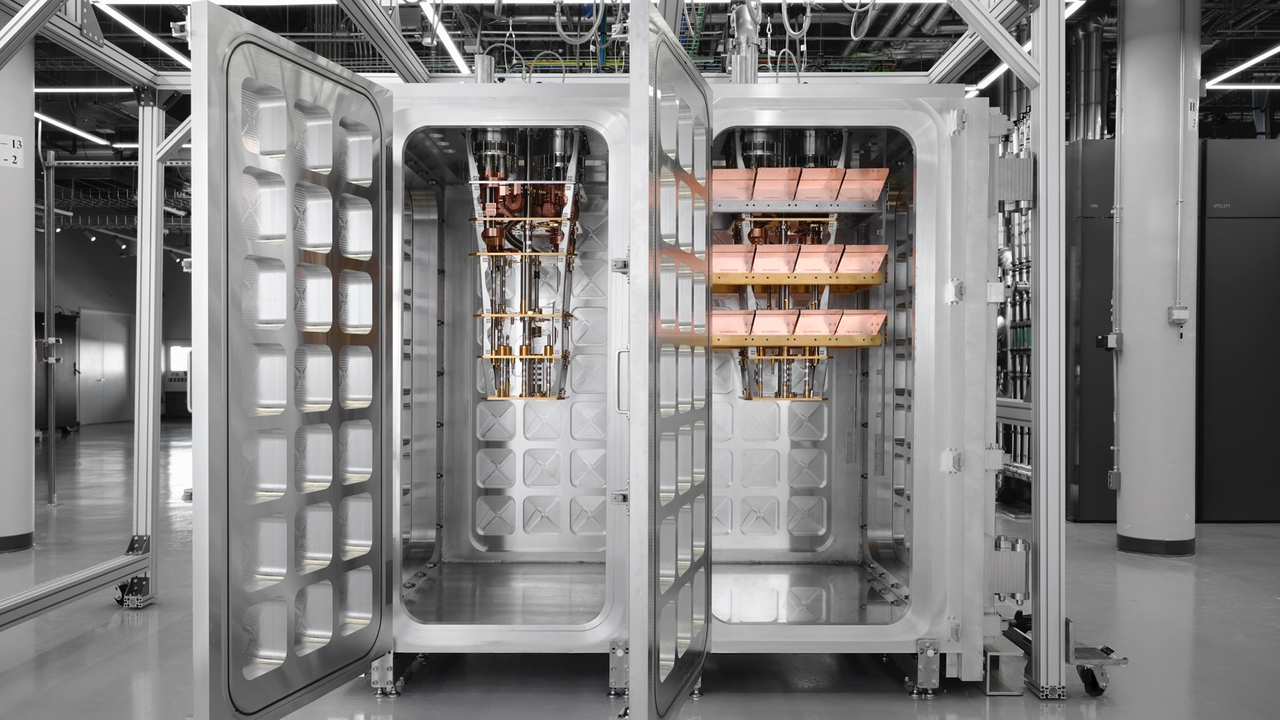
IBM has unveiled a groundbreaking modular system comprised of ultracold "quantum fridges" capable of chilling components to almost 200 times the temperature of deep space. This innovation could potentially lead to the creation of the first fault-tolerant quantum computer by 2029. The system utilizes quantum error correction to maintain stability and perform uninterrupted quantum operations.
By linking hundreds of quantum computer chips together, IBM aims to overcome the infrastructure bottleneck that has hindered the development of fault-tolerant quantum computing. The quantum fridges, measuring about 8 feet tall and wide, can reach temperatures as low as 10 millikelvins, making them more than 180 times colder than deep space.
This extreme cold is crucial for the proper functioning of IBM's superconducting quantum processing units (QPUs). These fridges incorporate a modular design, allowing engineers to expand capabilities and power the system in stages. The key to this achievement is the use of L-couplers, superconducting cables that enable entanglement between qubits over longer distances.
This innovation allows for the interconnectivity of modules, overcoming the challenge of expanding quantum computing systems while maintaining stability and minimizing errors. IBM plans to deploy its modular cryogenic architecture in 2027, initially supporting around 1,000 qubits, with the goal of reaching 100 million gates by 2029.
This breakthrough brings quantum computing closer to practical applications in various fields, including chemistry, materials science, and theoretical physics.
Written by urgent.news from Live Science's reporting — not their text. Machine-written — may contain errors; check the original before relying on it.