IBM moves a step closer to fault-tolerant quantum computing by linking its first modular cryogenic fridges
IBM Corp. said today it has taken a massive step forward toward its goal of delivering the world’s first fault-tolerant quantum computer by 2029, after successfully linking and cooling down the first pair of modules based on a new, highly scalable cryogenic architecture. The new system makes it possible for hundreds of quantum processors to […] The post IBM moves a step closer to fault-tolerant…
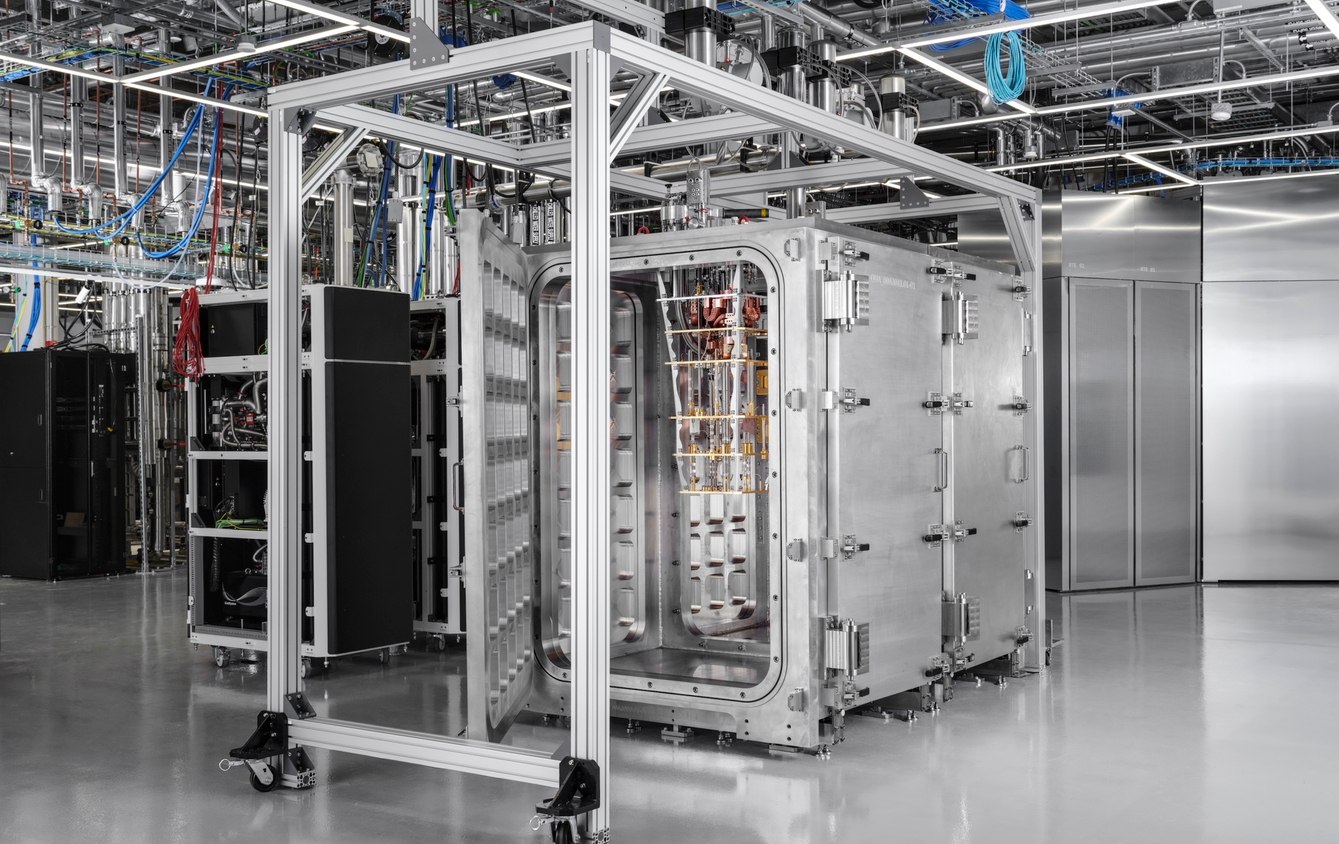
IBM has made significant progress towards its goal of creating the first fault-tolerant quantum computer by 2029. The company has successfully linked and cooled down the first pair of modules using a new, highly scalable cryogenic architecture. This innovation allows hundreds of quantum processors to be connected together into a larger cluster, paving the way for large-scale quantum computers that can deliver real-world benefits.
This achievement is a crucial milestone on IBM's roadmap towards developing IBM Quantum Starling, a new quantum computing system that is set to be launched in three years. Starling is expected to perform approximately 20,000 times more calculations than current quantum computers, making it powerful enough to achieve what is known as "quantum advantage."
Quantum advantage refers to the point where quantum computers can solve complex, real-world problems that classical supercomputers cannot handle. Qubits, the fundamental units of quantum computers, are more fragile than their classical counterparts. They can be in a state of "superposition," meaning they can represent both a 1 and a 0 simultaneously, allowing them to process vast amounts of data simultaneously.
However, qubits are highly susceptible to interference and noise, which can cause them to lose their quantum state, resulting in errors during calculations. To address this challenge, IBM is employing a strategy known as "logical qubits." Instead of relying on a single qubit, which is prone to errors, IBM engineers bundle multiple physical qubits together using advanced error correction codes.
This approach creates redundancy, allowing the quantum computer to function correctly even if some of the individual qubits fail. However, to achieve quantum advantage, IBM needs thousands of qubits working together in unison. To protect these delicate qubits, they must be housed in shared spaces and cooled to temperatures close to absolute zero.
This is where IBM's new cryogenic modules come into play. These modules are cooled to below 15 millikelvin, which is more than 180 times colder than deep space. They are large, with the first pair of modules standing at eight feet tall and eight feet wide. Unlike traditional cylindrical cryogenic fridges, the new modules are box-shaped, allowing them to be packed together tightly.
Each module contains an enclosure that is 12 times larger than existing systems, providing ample space to connect hundreds of quantum processors within the module. The processors are connected using IBM's innovative L-Coupler technology, which links individual chips into clusters, enabling them to share information and operate as a single, larger processor.
The cryogenic modules also offer the advantage of easier maintenance and upgrades for individual processors without impacting the overall cluster's performance. Jay Gambetta, IBM Research Director, highlighted that today's announcement marks a significant leap forward in IBM's quest to build a fault-tolerant quantum computer. He emphasized that this milestone will accelerate progress alongside continued advancements in quantum hardware, software, and algorithms.
The company remains on track to meet its ambitious timeline and launch the Starling system before the end of the decade.
Written by urgent.news from SiliconANGLE's reporting — not their text. Machine-written — may contain errors; check the original before relying on it.