IBM builds a better fridge for its quantum computers
IBM on Wednesday announced that it has built and cooled the first two modules of a new cryogenic dillution refrigerator The post IBM builds a better fridge for its quantum computers appeared first on The New Stack .
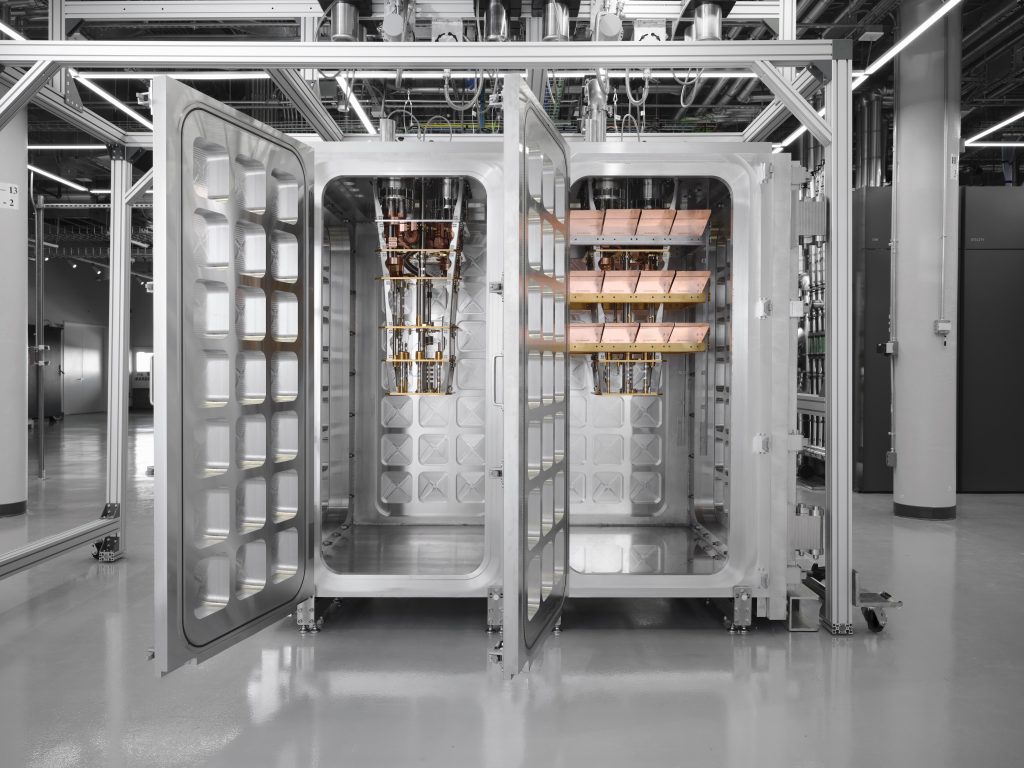
IBM has unveiled its latest cryogenic dilution refrigerator designed to accommodate the processors for future fault-tolerant quantum computers, although the actual processors have not yet been installed. This development is crucial for IBM as it aims to connect multiple individual processors and cryogenic modules into a single system.
The refrigerator operates at temperatures below 15 millikelvin, ensuring minimal noise for the superconducting quantum processors that require operating at a fraction of a degree above absolute zero. The new design features rectangular cells that can be connected to create a shared ultra-cold environment, providing more wiring space than IBM's current quantum systems.
Each new module has about 12 times more wiring space, allowing IBM to place quantum processors closer together. The refrigerator modules will enable IBM to replace individual components more quickly while keeping the rest of the system intact. IBM plans to connect processors using its L-coupler, a superconducting cable that can carry microwave photons between chips and transfer quantum states or perform two-qubit operations.
IBM aims to achieve 99.9% fidelity for their fault-tolerant systems. Scaling up, IBM expects to deploy these modular refrigerators next year, starting with systems supporting around 1,000 programmable physical qubits, and eventually needing about 12 modules for their fault-tolerant computers by 2029.
Written by urgent.news from The New Stack's reporting — not their text. Machine-written — may contain errors; check the original before relying on it.