I started using 'meta-prompting' in ChatGPT and now I'm getting much better answers — here's how to do it
Through the simple act of “meta-prompting,” I’ve found the best way to turn my simple asks of chatbots into more defined ones with clear goals.
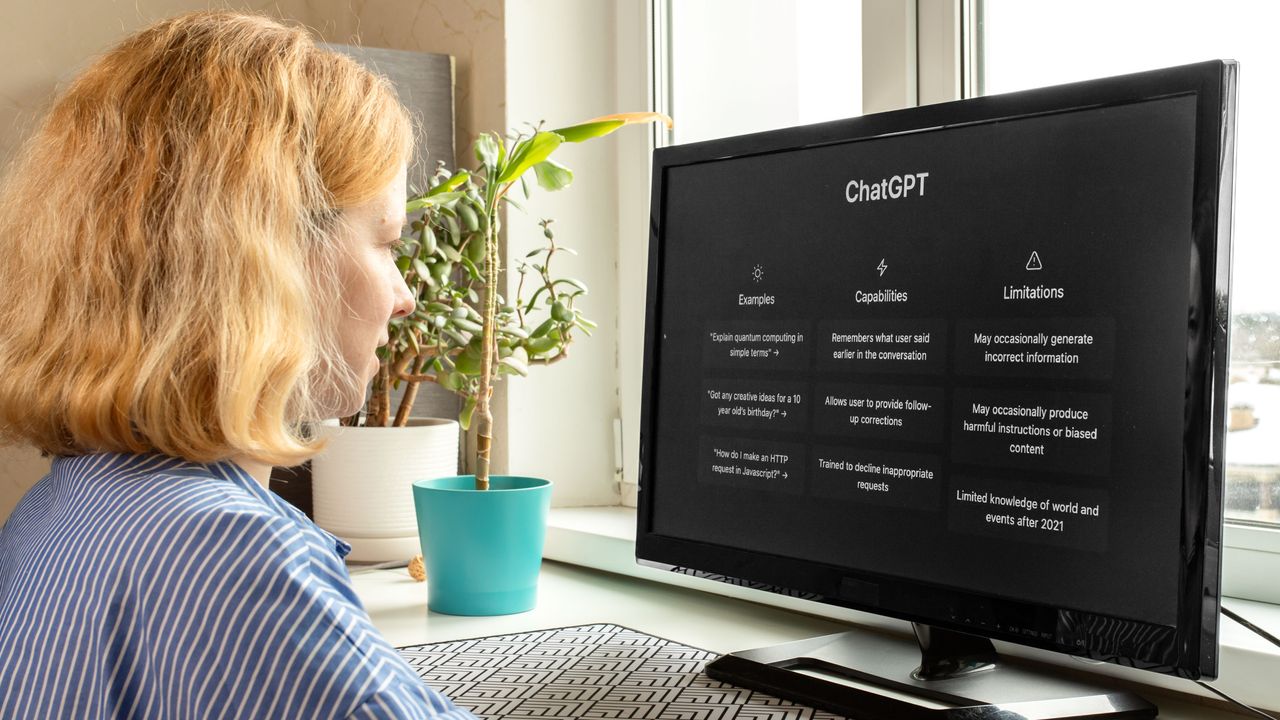
When I began using ChatGPT, the prompts I used were quite basic. I would ask for side hustle ideas or job interview preparation advice, but the answers were generic. It became clear that ChatGPT could help improve my prompts before receiving the answers. This process is known as "meta-prompting." Meta-prompting involves giving ChatGPT the chance to identify missing details, clarify what you want, and structure the request in a way that yields a more useful response.
Now, I use the meta-prompt ChatGPT creates to enhance nearly every prompt I write. To illustrate how meta-prompting works, I began a recent conversation with ChatGPT by asking, "How can I learn how to create thumbnails faster? I'm a content creator who's just starting and wants to create quality Photoshop thumbnails for my videos about video games."
ChatGPT responded by identifying what was missing, ambiguous, or poorly framed in my original prompt and providing a list of bullet points to help me understand exactly what I needed to specify. Using this improved prompt, I received a command for ChatGPT that transformed my original vague request into a more comprehensive prompt aimed at skill-building.
The key takeaway is that meta-prompting is an efficient way to turn simple prompts into more understandable ones, compelling you to improve the way you write future prompts. By using meta-prompting, your ChatGPT experiences will become more accommodating in the long run.
Written by urgent.news from Tom's Guide's reporting — not their text. Machine-written — may contain errors; check the original before relying on it.