How Ursula K. Le Guin Channeled Her Environmentalism Into Fiction
In the 1960s and 1970s, Ursula K. Le Guin wrote speculative fiction shaped by her interests in environments and ecologies, her pacifist anarchist feminism, and her anti-Vietnam War activism. A Wizard of Earthsea (1968), one of the great fantasy novels
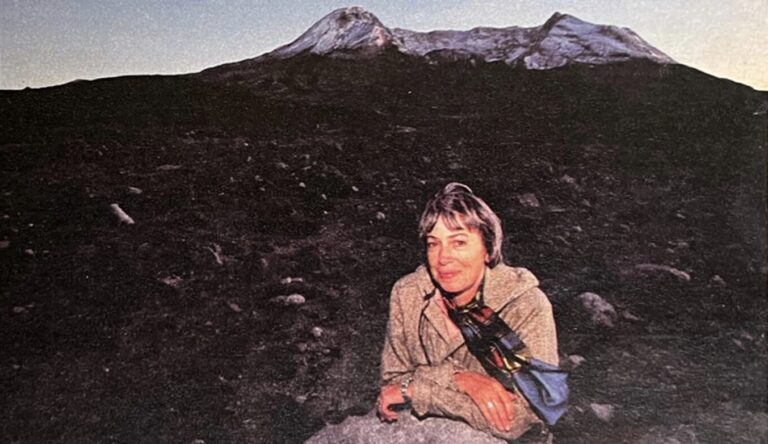
Ursula K. Le Guin, a prominent author of speculative fiction, infused her environmental concerns, pacifist feminism, and anti-Vietnam War activism into her writing during the 1960s and 1970s. A Wizard of Earthsea (1968), a renowned fantasy novel still widely read, showcases her ability to depict the relationships between humans and the natural world, as well as the importance of ecological understanding in personal growth.
Her thought experiment, The Left Hand of Darkness (1969), explores her belief that the environment plays a crucial role in shaping a society's gender and sexuality.
Le Guin's novels often depicted the influence of their settings on the inhabitants within them. For instance, The Word for World is Forest (1972) drew parallels between the colonization of a forested world by Earth colonists and the resulting exploitation of native populations. In her later works, Always Coming Home (1985) and The Dispossessed (1974), she continued to examine the interconnections between societies, environments, and the state's power structures.
These works reflect her deep concern for the environment, as demonstrated by her expressive description of her connection to nature in the aftermath of the 1980 Mount St. Helens eruption.
Written by urgent.news from Literary Hub's reporting — not their text. Machine-written — may contain errors; check the original before relying on it.