How India plans to count caste this time — and what went wrong previously
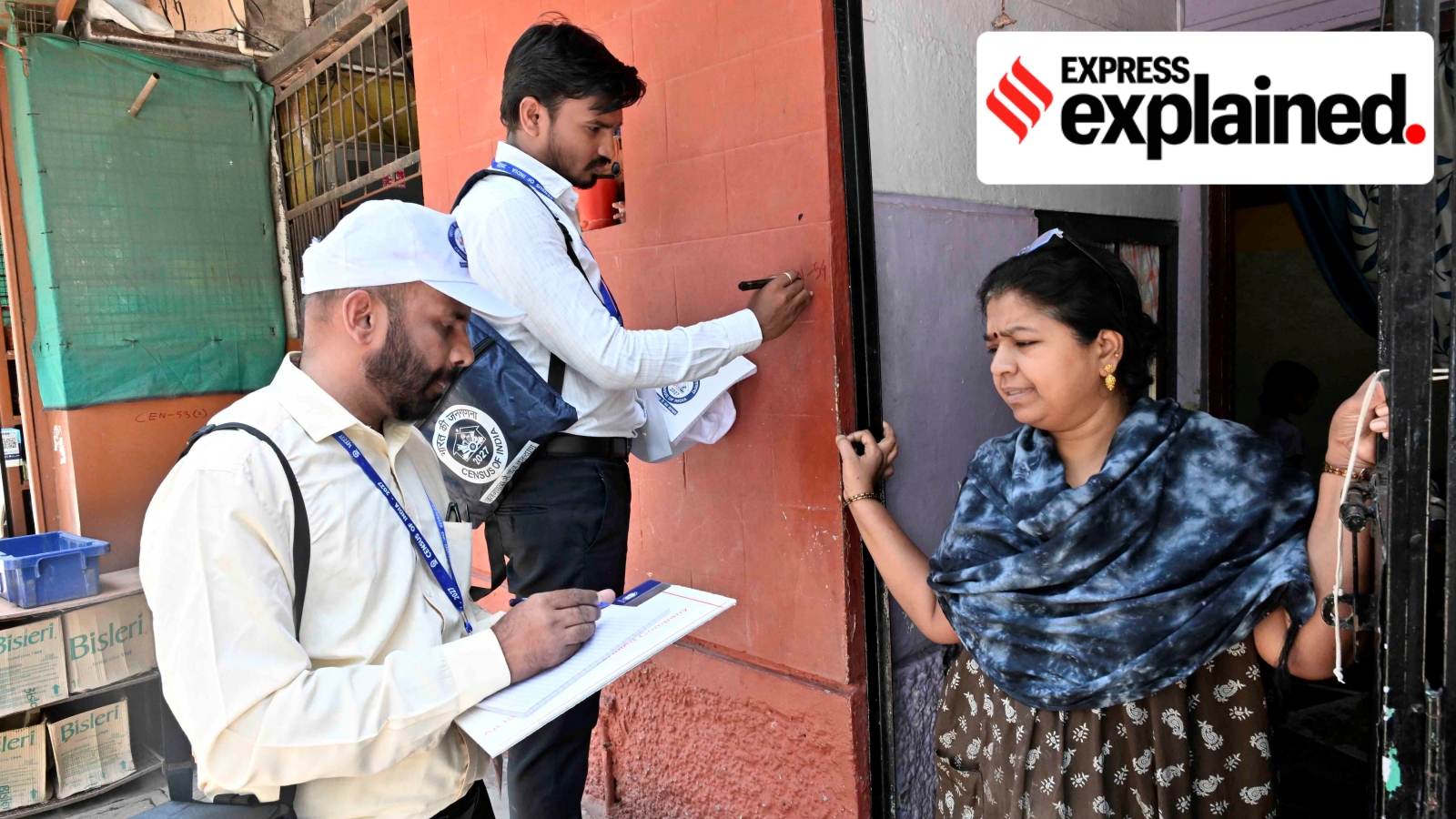
India's upcoming census aims to count caste using an open-ended question, rather than a pre-defined list of options. This approach may result in numerous entries for what might be a single caste, leading to an unwieldy and confusing dataset. This issue was evident during the Socio-Economic and Caste Census (SECC) in 2011, where over 46.7 lakh distinct caste names were recorded, nearly 10 times more than the 4,147 castes counted in the last comprehensive census in 1931.
The open-ended question allows respondents to identify their caste using various names, such as Rajput, Thakur, Singh, or Kshatriya, which can all be used interchangeably. However, the same surname can mean different castes in different regions. For example, Rajput in the Bundelkhand region may refer to the Lodh community, and Singh is a surname common across various castes and categories. Similarly, the surname Verma can indicate a Kayasth, Kurmi, Jat, or Sonar.
Instances of castes merging or inventing new categories for self-identification have occurred in the past. In the 1931 Census, segments of the Dalit leatherworking caste in Punjab opted to identify as Aad Dharmis, a new religious identity not recognized in 1921. This category comprised around 1.5% of Punjab's population and a tenth of the so-called low castes.
The 1931 Census also highlighted how castes would often consolidate into a single group to increase their numbers or claim a higher social status. Grazier castes, for instance, aimed to combine under the term 'Yadava' to include various milkman castes. Carpenters, smiths, and goldsmiths sometimes sought to be classified under denominations like Vishwakarma or Jangida, associating themselves with higher Varnas in Hinduism.
The 1951 Census, held in newly independent India, abandoned caste enumeration due to its subjective nature and the financial constraints imposed by the war. The 2011 SECC exercise also failed to produce usable caste data due to the open-ended question, resulting in a massive list of nearly 46.7 lakh distinct caste names. The Bihar caste survey ordered by then Chief Minister Nitish Kumar in 2023 has compiled a list of castes for the purpose, but it remains a pen-and-paper survey.
Written by urgent.news from The Indian Express's reporting — not their text. Machine-written — may contain errors; check the original before relying on it.