How Africa Is Battling Climate Extremes
The effects of the coming “super” El Niño will reach beyond the continent.
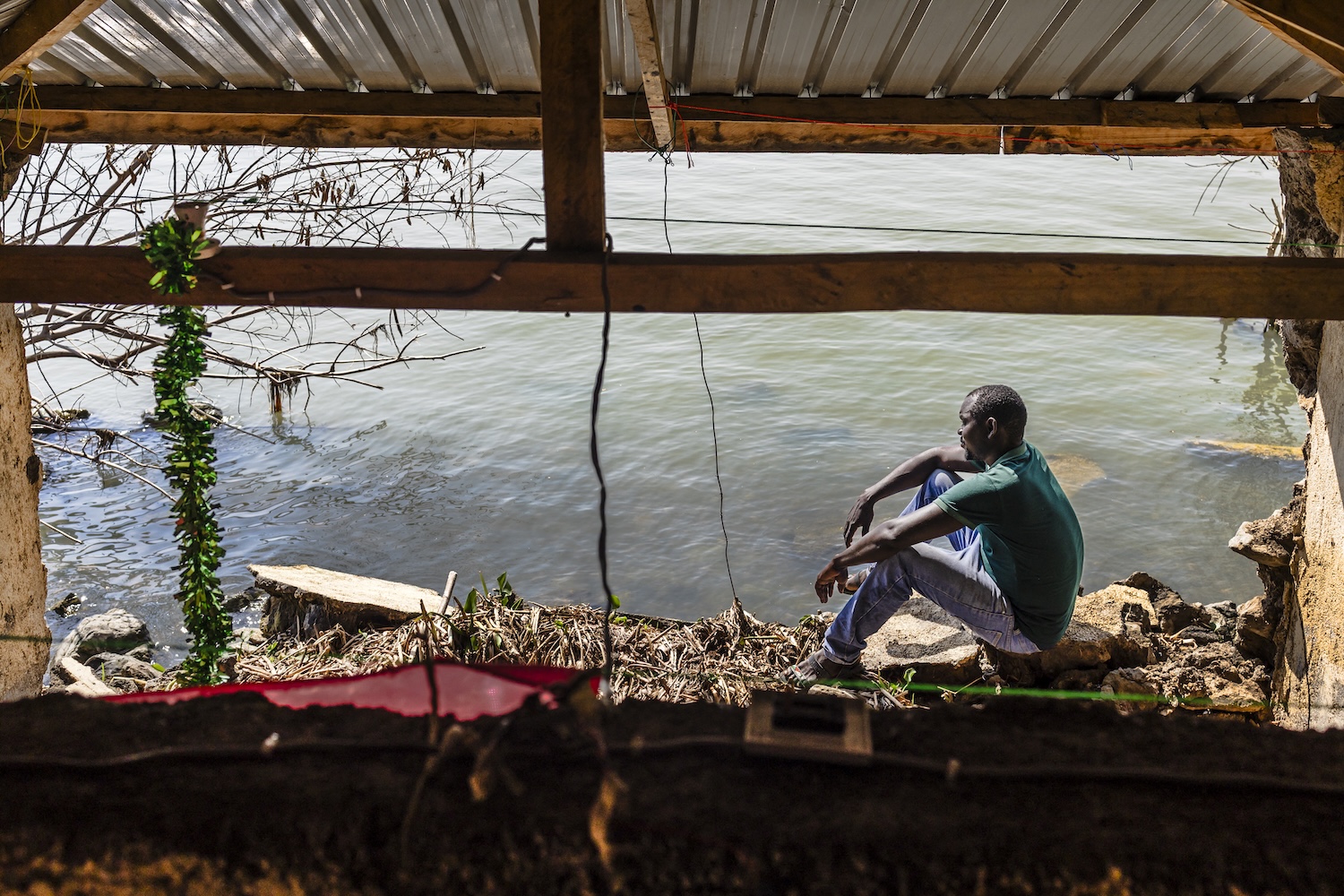
African countries are responding to the impacts of climate change, including wildfires, drought, and flooding. Gabon recently ended a 19-year fishing agreement with the European Union, while Zambian President Hakainde Hichilema secured a second five-year term. Deadly wildfires have ravaged forests in Algeria, Morocco, and Tunisia, and seasonal floods have displaced thousands in West Africa.
Nigeria is particularly affected, with floodwaters submerged roads and critics accusing the government of poor planning. In Ghana, President Mahama held an emergency meeting after floods killed at least 13 people and displaced 48,000 others. Ivory Coast plans to relocate 5,000 people from flood-prone areas in Abidjan. A rare "super" El Niño climate pattern threatens severe drought and flooding in various African nations, costing them between $10 billion and $20 billion in economic losses.
The U.N. warns that over 18 million people in eastern and southern Africa could face food insecurity starting in September, with particular concern for Somalia, Sudan, South Sudan, and Ethiopia. Kenya is projected to experience a 30% loss in maize harvest, a staple food, and the Kenyan Meteorological Service has noted worsening weather patterns.
The effects of El Niño will not only impact Africa but also cause global disruptions to supply chains, potentially increasing prices of essential goods like rice, palm oil, sugar, and coffee by 50-100%. African nations are increasingly opposing sustainable fisheries partnerships with the European Union, seeking to protect depleted fish stocks and regain economic control.
Written by urgent.news from Foreign Policy's reporting — not their text. Machine-written — may contain errors; check the original before relying on it.