Housing minister urges waste separation to be taught young as Malaysia studies Japan’s recycling model
KUALA LUMPUR, Aug 19 — Malaysia is looking to Japan’s waste separation and recycling practices as it seeks t...
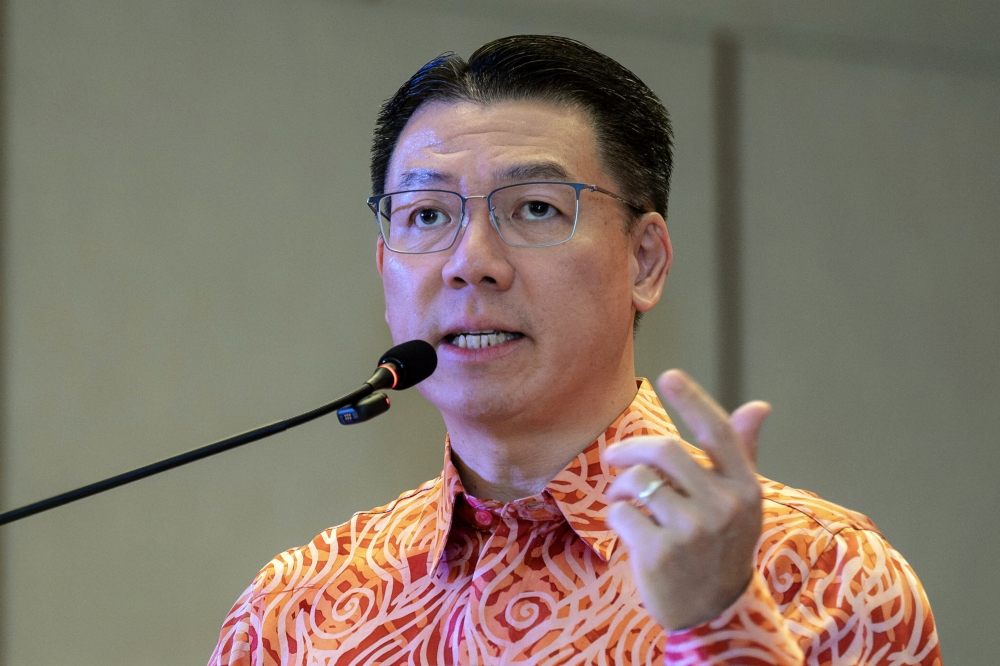
KUALA LUMPUR, Aug 19 — Malaysia is eyeing Japan’s waste separation and recycling practices as the country aims to cultivate environmentally responsible habits and speed up its transition to a circular economy, says Housing and Local Government Minister Nga Kor Ming. Japan’s efficient waste management system and strong cleanliness culture could offer useful lessons for Malaysia, Nga stated.
Instilling good habits from a young age, such as waste separation, recycling, and keeping surroundings clean, could help embed cleanliness as part of the nation’s culture rather than a forced obligation, he added. The Malaysian housing minister noted that Malaysia and Japan are poised to boost cooperation in advancing the circular economy and modernising waste management through a proposed Memorandum of Understanding (MoU).
Approved by the Cabinet last month, the MoU aims to foster the exchange of expertise, technology, and best practices between the two nations. During a courtesy visit to the Japanese Ambassador to Malaysia, Nga mentioned several measures Malaysia has taken to support this transition, including the National Circular Economy Blueprint, the establishment of the National Circular Economy Council, and the requirement for shopping malls to provide recycling facilities as part of the licensing process.
He also highlighted ongoing efforts to ban single-use plastic bags. Nga emphasized that combining Japan’s experience and technological know-how with Malaysia’s ongoing reforms could accelerate the nation’s shift towards cleaner, greener, and more sustainable cities. Japanese Ambassador Noriyuki Shikata invited the Malaysian delegation to visit GREEN×EXPO 2027 in Yokohama, which could offer additional avenues for cooperation in areas such as smart and sustainable cities.
Written by urgent.news from Malay Mail's reporting — not their text. Machine-written — may contain errors; check the original before relying on it.