Here's How One Nephrology Unit Cut Hospital-Acquired C. Diff by 90%
(MedPage Today) -- An inpatient nephrology unit reduced hospital-acquired Clostridioides difficile (C. diff) infections by 90% after implementing nurse-driven protocols. Between January and April 2023, Detroit's Henry Ford Hospital nephrology...
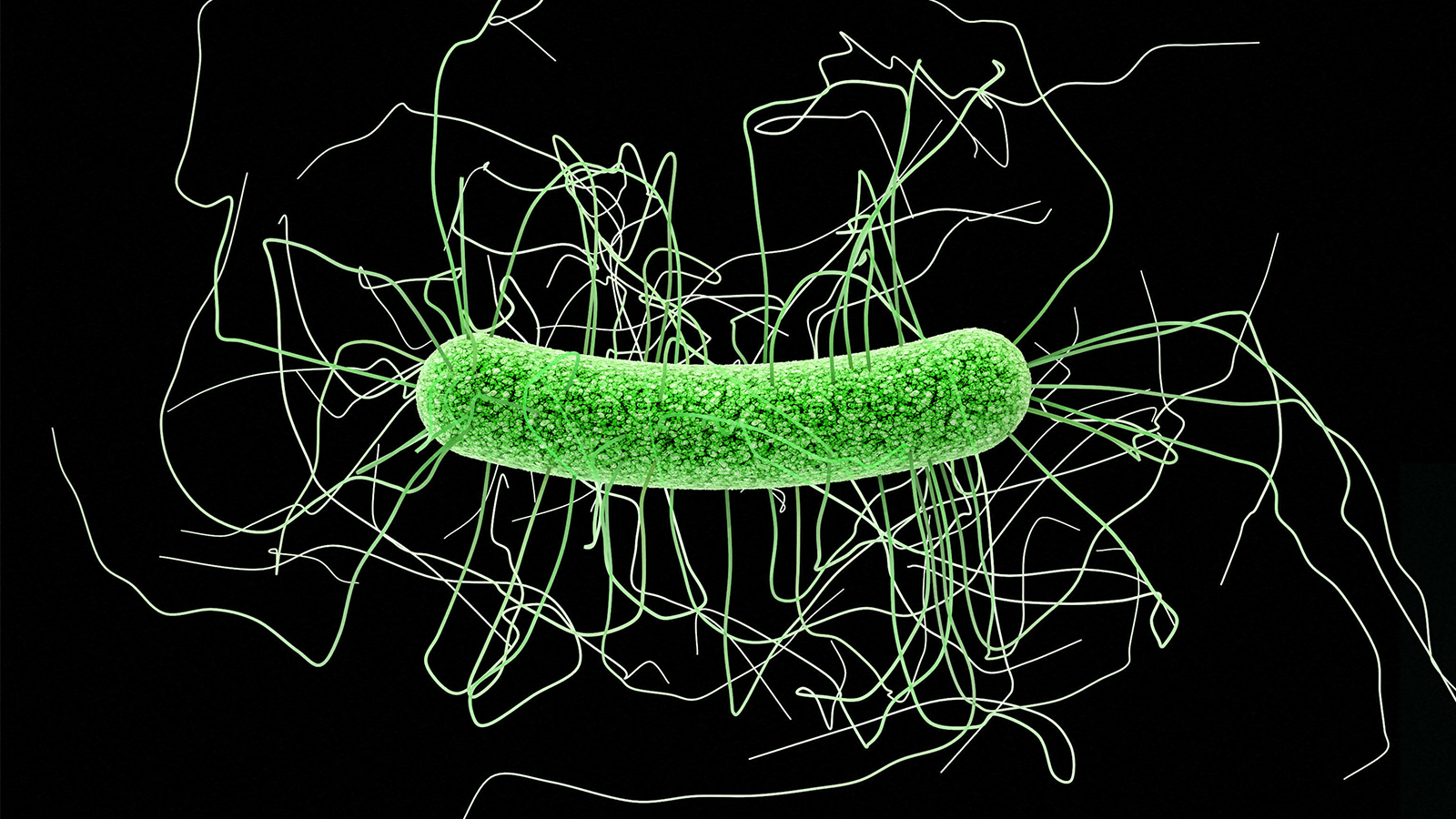
In April 2023, the nephrology unit at Detroit's Henry Ford Hospital saw a significantly higher rate of hospital-acquired Clostridioides difficile infections (HO-CDI) at 34 per 10,000 patient-days. This was much higher than the hospital average of 3.8. The unit's staff, led by nurse Rachel Smith, implemented targeted interventions starting in May and June of that year.
By November, the HO-CDI rate had dropped to 9 per 10,000 patient-days, marking a 73% reduction. This figure remained steady from December 2023 through December 2024, averaging 3.34 cases per 10,000 patient-days, which represents a 90% decrease. C. diff, a severe gastrointestinal infection, causes nearly 500,000 infections and 29,000 deaths annually in the U.S. Patients with chronic kidney disease are particularly vulnerable due to frequent antibiotic use, weakened immunity, and suppressed stomach acid.
The root cause analysis for the high HO-CDI rate revealed issues with education and accountability among nursing staff. A review of early cases revealed that five out of eight were actually community-onset C. diff (CO-CDI), which occurs within the first three hospital days, not hospital-onset as initially documented. This misclassification was due to missing documentation, which delayed recognition and increased the risk of transmission.
Despite having electronic health record systems and protocols for early testing and isolation, nurses often failed to follow these due to time constraints and perceived lack of urgency. To address this, nursing leaders introduced a coordinated intervention including regular cleaning of shared surfaces, interactive education sessions, and the use of "Badge Buddies" with concise infection control protocols.
A culture of accountability was fostered through peer coaching and reinforcement of proper personal protective equipment (PPE) use. This approach resulted in a 90% reduction in HO-CDI cases, although occasional cases still occurred, often due to factors like high staff turnover or seasonal influenza peaks. The unit's success highlights the importance of strong infection control practices and the need for ongoing re-education to maintain these results.
Written by urgent.news from MedPage Today's reporting — not their text. Machine-written — may contain errors; check the original before relying on it.