Heightened Middle East Tensions Boost Crude Oil Prices
Crude oil prices rose on Wednesday amid heightened tensions in the Middle East, which has led to a reduction in oil supplies from the region. The United Arab Emirates (UAE) severed all economic ties with Iran following Iran's missile attack on its territory. President Trump has expressed reluctance to extend the Iran nuclear deal, further complicating the situation.
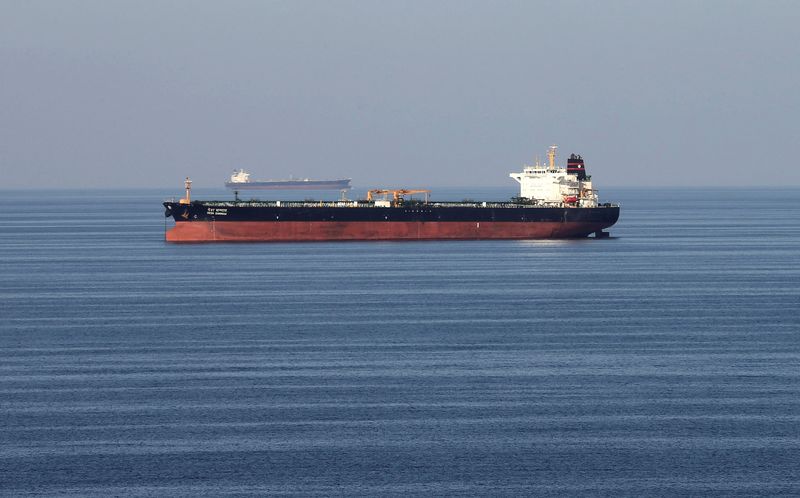
US Energy Secretary Chris Wright indicated that the United States will not de-escalate the conflict with Iran, which could limit crude supply from the Middle East. The situation was exacerbated by Israeli attacks on Iranian-backed Hezbollah in Lebanon, and the Yemen-based Houthis attacking ships in the Red Sea, as well as several vessels being hit by projectiles in the Strait of Hormuz.
Despite some Gulf countries successfully transiting crude shipments through the Strait of Hormuz, crude prices remained elevated due to the ongoing attacks. Treasury Secretary Bessent announced unprecedented economic measures against Iran that have never been seen in the history of economic isolation of a country. The International Energy Agency (IEA) reported that the global oil supply deficit will worsen, with global oil inventories expected to fall at twice the previously estimated rate.
OPEC+ approved an increase of 188,000 barrels per day (bpd) in crude production for September, but renewed US-Iran military attacks could complicate the implementation of the production increase.
Written by urgent.news from Yahoo Finance's reporting — not their text. Machine-written — may contain errors; check the original before relying on it.