Greyest Japanese village turns to Peru sister city to plug severe worker shortage
Japan’s most greying municipality has turned to its Peruvian sister city in search of a way to reverse its population decline and address the labour shortage that together threaten its survival. The mountain village of Nanmoku in Gunma prefecture, where 65.2 per cent of residents were aged 65 or older in the 2020 census, signed a sister-city agreement with Belen in northern Peru in November,…
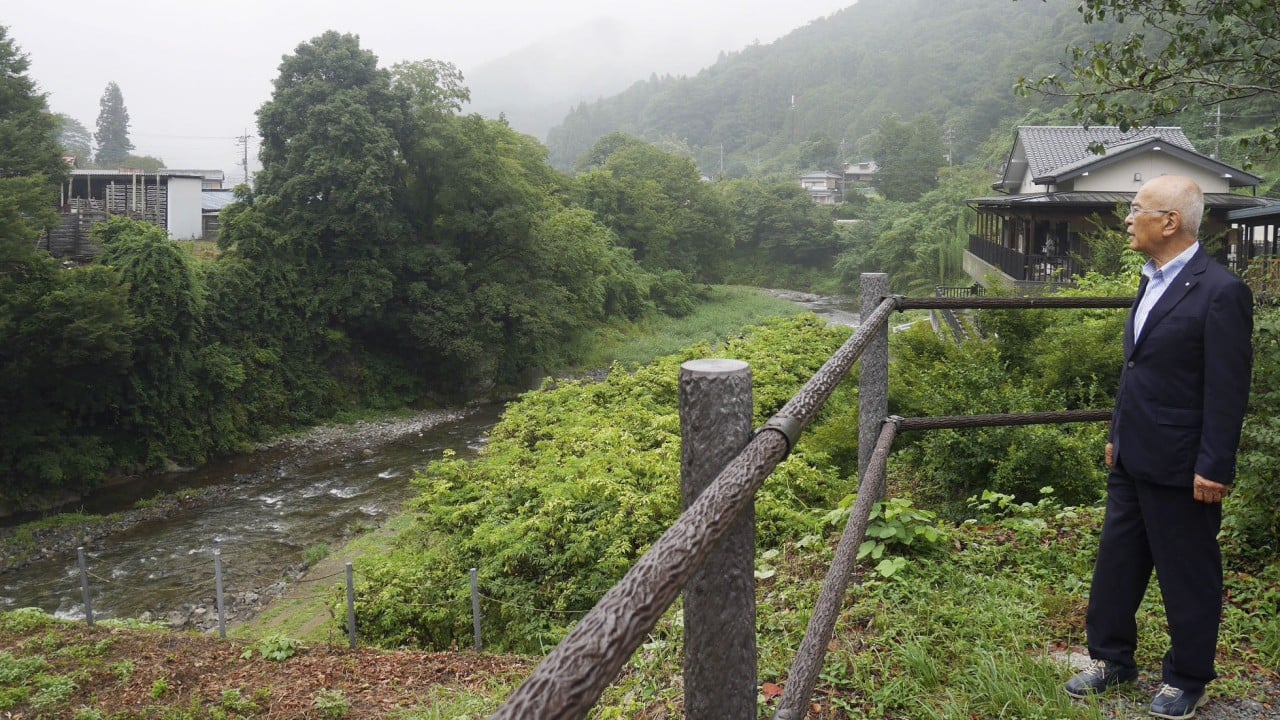
The mountain village of Nanmoku, located in Gunma prefecture, Japan, has the distinction of being the most grey-haired municipality in the country. As of the 2020 census, 65.2% of its residents were aged 65 or older. In an effort to combat its rapidly declining population and the resulting labor shortage, the village has established a sister-city agreement with Belen, a northern Peruvian city.
With a population of around 80,000, Belen is known for its thriving river fish industry and is home to many Peruvians of Japanese descent. The connection between the two cities was formed through Masao Aizawa, a 35-year-old Peruvian of Japanese descent who lives in Isesaki, Gunma prefecture. Aizawa donated to Nanmoku in 2022 to promote multicultural coexistence and helped to establish the sister-city relationship.
The agreement includes cultural and tourism exchanges, as well as knowledge-sharing in areas such as sports and science. Nanmoku Mayor Saijo Hasegawa believes that this collaboration could eventually lead to young people from Belen moving to Nanmoku to work and help sustain the village. Hasegawa hopes that even a small influx of workers from Belen could be sufficient to keep the village afloat.
However, there are potential hurdles to overcome, including concerns from local assembly members about public safety and the unclear residence status of those who come to Japan for work. Despite these challenges, Hasegawa remains optimistic that this international partnership could provide a dependable solution to Nanmoku's population decline and labor shortage.
Written by urgent.news from South China Morning Post's reporting — not their text. Machine-written — may contain errors; check the original before relying on it.