Ghana’s output expansion largely driven by labour, capital rather than innovation – Opoku-Afari
He pointed out that borrowing was frequently framed as financing for infrastructure and flagship programmes.
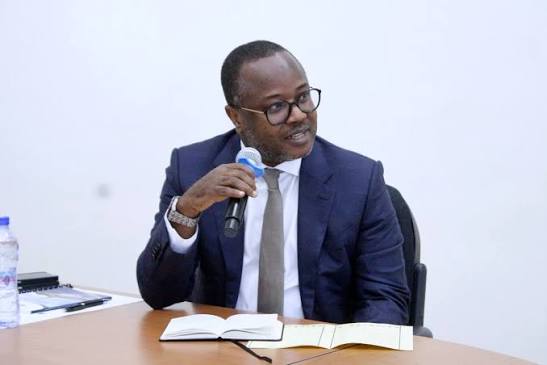
Ghana's economic growth in recent years has been primarily fueled by increases in labor, capital, and natural resources, according to Dr. Maxwell Opoku-Afari, a former First Deputy Governor. This focus on expanding the economy through factor accumulation rather than efficiency improvements or innovation has sparked concerns about the sustainability, inclusivity, and resilience of the country's growth strategy.
Over the period from 2013 to 2024, Ghana's economy remained heavily reliant on agriculture, which constituted roughly one-fifth of the country's GDP, with industry exhibiting significant fluctuations, largely driven by extractive industries rather than manufacturing, and services continuing to dominate the economy. The lack of a significant transformation towards higher productivity, export-oriented manufacturing has revealed that the country's economic growth lacks the necessary structural changes to broaden the tax base, diversify exports, boost productivity, and enhance the government's capacity to manage debt.
Dr. Opoku-Afari posited that this mismatch between strong headline growth and fiscal or external resilience highlights the need for a more comprehensive approach to economic development in Ghana. Despite the emphasis on infrastructure and major projects, a considerable portion of borrowing was directed towards recurrent spending, often exacerbated by cost overruns, and delivering limited growth benefits due to flaws in project planning, selection, and implementation.
Additionally, petroleum revenues designated for key infrastructure projects were frequently redirected to recurring expenses and debt servicing. Dr. Opoku-Afari highlighted that fiscal pressures have led to a scenario where increased government borrowing crowds out private-sector credit, raising the cost of capital and impeding investment.
This situation reflects a growing debt-overhang dynamic, where continuous fiscal imbalances and escalating public financing necessities dampen private-sector activity, thereby weakening medium-term growth prospects.
Written by urgent.news from Joy Business's reporting — not their text. Machine-written — may contain errors; check the original before relying on it.
This story
This is one outlet's version. Read the fullest account.