Fewer anti-Asian hate crimes in US, but immigration crackdowns raise concerns
Almost five years after the pandemic-era surge in anti-Asian hate in the US, new Federal Bureau of Investigation (FBI) data shows a downward trend nationally. But advocates say concerns persist amid immigration crackdowns and heightened US-China geopolitical tension. A survey from Stop AAPI Hate, a self-reporting platform formed during the pandemic, paints an even more worrying picture, with…
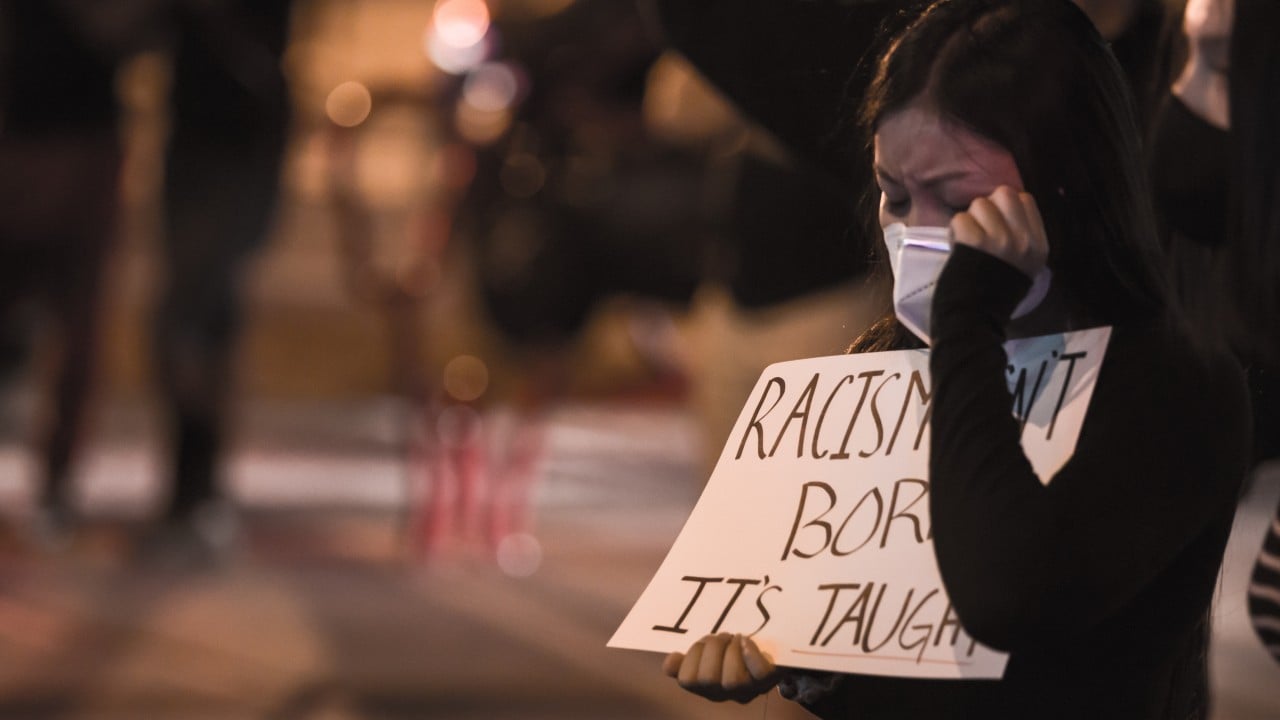
Nearly five years after an outbreak of anti-Asian hate during the pandemic, Federal Bureau of Investigation (FBI) figures now indicate a nationwide decline in anti-Asian hate crimes. However, advocates express concerns over ongoing issues, exacerbated by recent immigration crackdowns and heightened US-China tensions. A self-reporting survey by Stop AAPI Hate reveals that nearly half of individuals reported experiencing anti-Asian hate in 2025, but many refrain from reporting incidents due to fear of repercussions.
FBI data from mid-August show a 10% drop in reported incidents, from 379 in 2024 to 339 in 2025. While this is a positive development, advocates caution that the figure remains significantly higher than pre-pandemic levels, averaging 133 incidents annually between 2013 and 2019. Sim J. Singh Attariwala, director of AAJC's anti-Hate program, emphasizes that the FBI figures likely only represent a fraction of the true scope of hate crimes, particularly given the current climate.
Since Trump returned to office, his administration has implemented a series of immigration measures, including stricter visa restrictions and increased Immigration and Customs Enforcement activity. These actions have led to a decline in hate crime reporting, with Asian immigrants frequently facing barriers in reporting due to language barriers, distrust of authorities, and fear of retaliation.
The Stop AAPI Hate 2026 annual report, based on a survey of 1,378 Asian-American and Pacific Islander adults, found that 49% experienced a hate act in 2025, a rate that has remained relatively stable for three consecutive years. The report highlights a convergence of anti-immigrant policies, political sentiment, and everyday acts of hate, creating a dangerous combination.
Stephanie Chan, Stop AAPI Hate's director of data and research, notes that recent years have seen Asian communities particularly impacted by changes in immigration policy, such as a $100,000 fee for H-1B visas, mostly held by Asian immigrants from India and China. Reported anti-immigrant hate crimes also rose, alongside other forms of bias, but reporting to authorities remains low, with only 22% of those affected reporting incidents to formal authorities and 33% receiving any support.
Despite a 10% decline in reported hate crimes nationwide, 2025 remains the fourth-highest annual total on record. US-China rivalry intensifies, with advocates suggesting that Asian-Americans are increasingly targeted due to geopolitical tensions, a pattern that predates the current situation but has gained new urgency.
Written by urgent.news from South China Morning Post's reporting — not their text. Machine-written — may contain errors; check the original before relying on it.
This story
This is one outlet's version. Read the fullest account.