Elon Musk Is Expected to Point His Money Machine at Texas
Sources tell WIRED that Elon Musk is expected to spend up to $200 million in the midterms. It could be a big boost for GOP Senate candidate Ken Paxton, who’s struggled to raise cash.
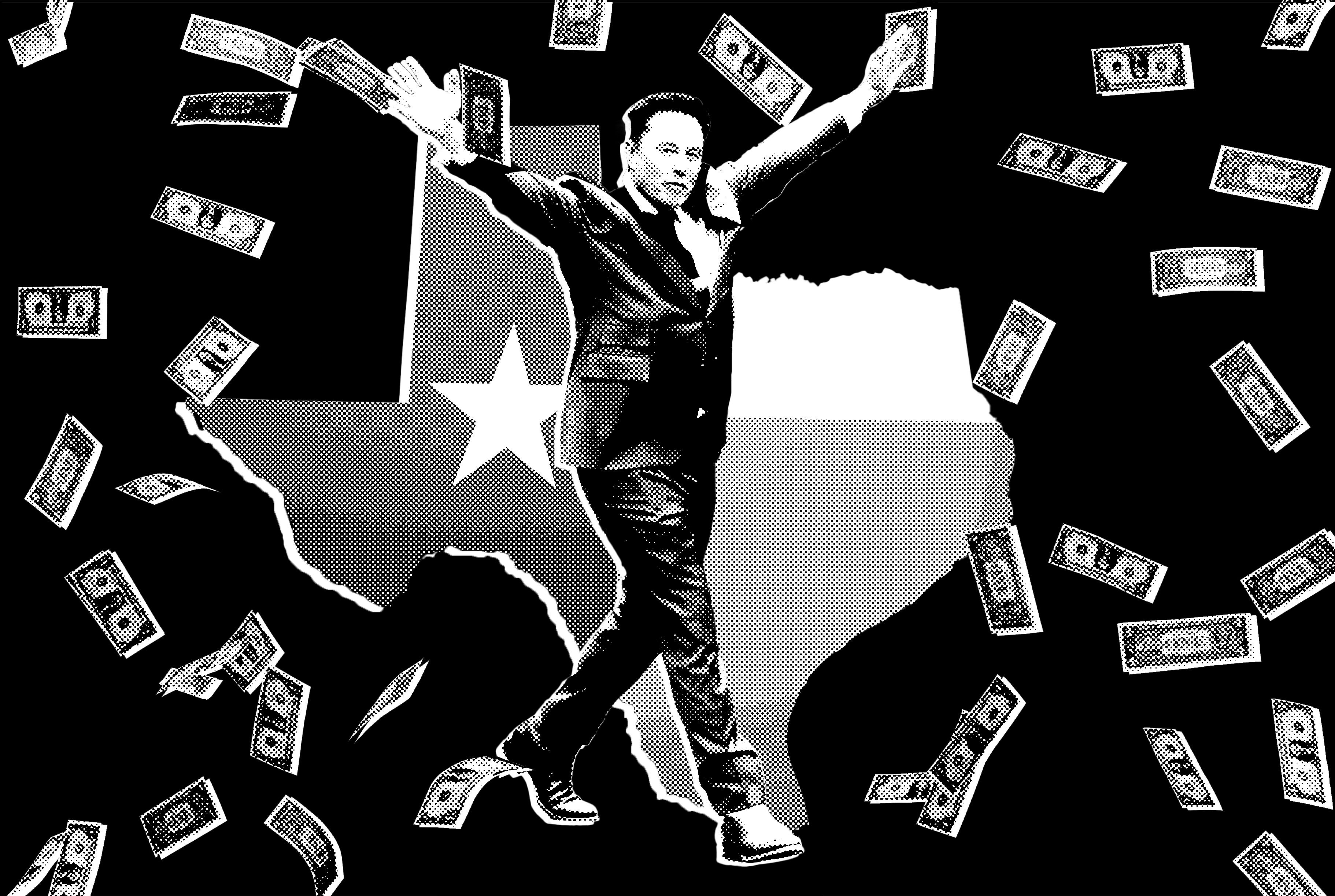
The upcoming 2026 midterms are expected to bring Elon Musk's financial influence to bear in Texas, a state that could play a pivotal role in determining the control of the US Senate. Musk, through his political action committee (PAC), is anticipated to contribute between $100 million and $200 million towards voter turnout efforts in the state.
This substantial investment, while still tentative, would significantly bolster Republican nominee Ken Paxton's campaign finances, which have been notably lagging behind his Democratic opponent, James Talarico, in contributions.
Despite Paxton's victory in the primary, aided by an endorsement from President Donald Trump, he remains far behind in fundraising compared to Talarico, who has raised approximately $69 million in comparison to Paxton's $9 million. Neither of the two largest Republican fundraising entities have shown interest in backing Paxton, with the Senate Leadership Fund, affiliated with Majority Leader John Thune, and MAGA Inc, a pro-Trump entity, yet to commit to any spending plans.
Democrats have generally outpaced Republicans in fundraising this cycle, placing Paxton in an isolated position within the Republican ranks. Numerous other candidates are counting on national party committees and outside groups to help bridge the funding gap. Musk's planned expenditure, if implemented, would bolster the Republican National Committee's $128 million funds, while the Democratic National Committee is operating $2 million in debt.
The GOP super PACs for House and Senate races have a combined $380 million, significantly higher than Democrats' $116 million. MAGA Inc currently holds about $400 million in reserves, with no comparable Democratic fundraising mechanism. While Musk's previous voter turnout operations have had mixed results, the magnitude of his projected 2026 investment signals a strong focus on Texas and potentially other key races where Republican fortunes could hinge on increased voter participation.
Written by urgent.news from Wired's reporting — not their text. Machine-written — may contain errors; check the original before relying on it.