Electricity price up 907% as minister admits industry pain
Ramokgopa confirms tariffs increased by 19% from 2007 to over R3.70/kWh, more than six times inflation (150%) over the same period.
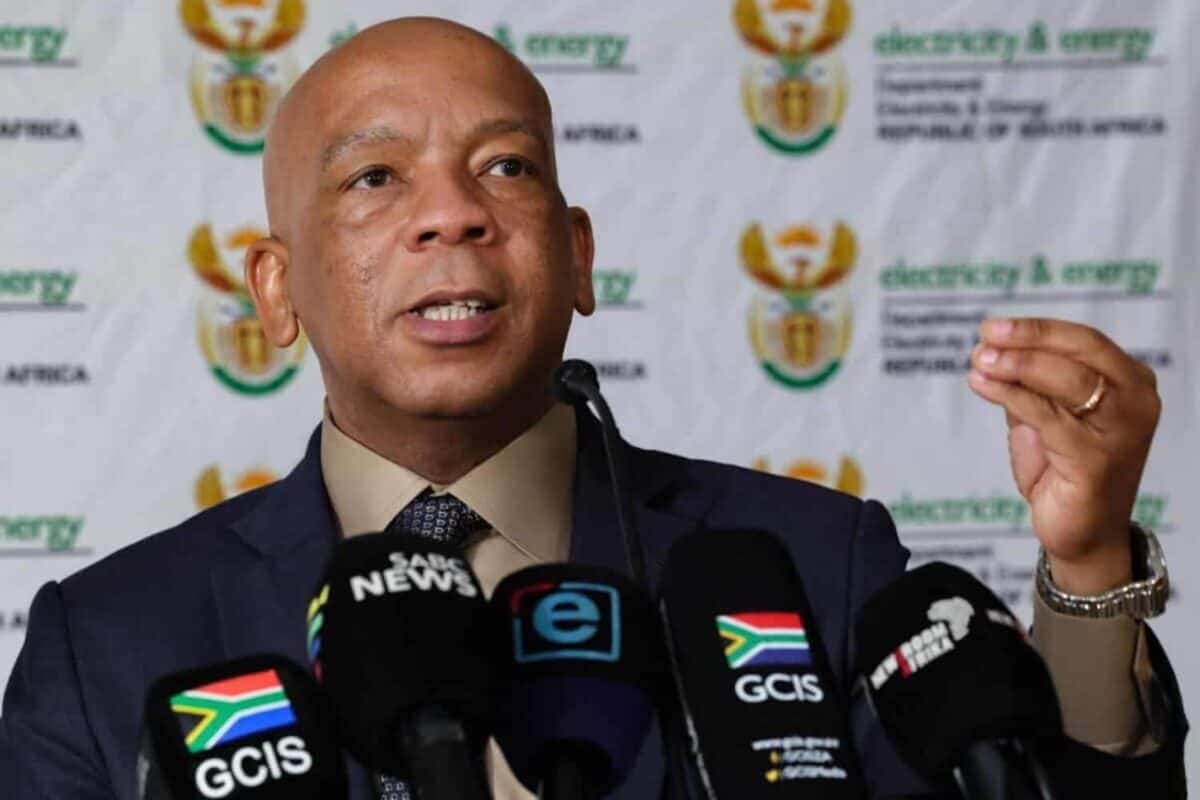
The cost of electricity in South Africa has surged by an unprecedented 907% over the past two decades, far exceeding the 150% inflation rate, according to the Minister of Electricity and Energy, Kgosientsho Ramokgopa. This surge is higher than any other country globally with a stable regulatory system. Tariffs have risen from around 19 cents per kWh in 2007 to over R3.70 per kWh, driven by National Energy Regulator of South Africa (Nersa) approvals, corruption, debt, and costs associated with unfinished megaprojects like Medupi and Kusile power stations.
Minister Ramokgopa addressed journalists about the government's new electricity pricing policy, which will be open for public comment. He confirmed that official inflation over the same period was about 150%, and highlighted that electricity prices are "undermining the competitiveness of our industries" and "eroding disposable household income." He noted that household expenditure makes up 60% of South Africa's economy.
Ramokgopa acknowledged that Eskom plans to implement Nersa's recommendations, which include an average direct Eskom electricity price increase of 8.76% for the 2026-27 financial year, followed by an expected 8.83% increase for 2027-28. Municipal distributors are also implementing similar average increases of around 9%. However, he promised that the new power pricing policy would be more transparent, fair, and specifically address competitiveness for industries reliant on electricity, while also providing strengthened social protections for the indigent, poor, and vulnerable.
Free electricity for poor households could rise from 50kWh to 200kWh or even 300kWh per month, accompanied by plans to eliminate cross-subsidisation in municipalities.
The minister expressed concern about non-payers, stating that people who diligently pay their bills "burdened by other delinquent payers." He emphasized that the current tariff structures allow Eskom to recover some of the losses incurred due to non-payers, which in turn increases municipal and Eskom debts. Ramokgopa stated that under the proposed new tariff policy, this would not be allowed, as it would be unfair to punish diligent consumers for the actions of non-payers.
Additionally, Ramokgopa highlighted the issue of technical and non-technical losses, accounting for up to 30% of the electricity bought from Eskom. These losses are partly due to infrastructure maintenance failures and illegal connections. Nersa will publish a 10-year price forecast to help heavy industries compute the return on investment for sectors reliant on electricity.
The minister also mentioned introducing a criterion for industries not in distress but potentially eligible for concessional funding, which could accelerate growth in priority sectors of the economy, creating employment.
Written by urgent.news from The Citizen's reporting — not their text. Machine-written — may contain errors; check the original before relying on it.