El Niño loads the dice for more extreme fire conditions
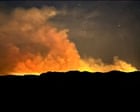
Fears have been growing around what Australia's spring and summer will look like after the weather bureau declared an El Niño in June, which has the potential to become the strongest on record.
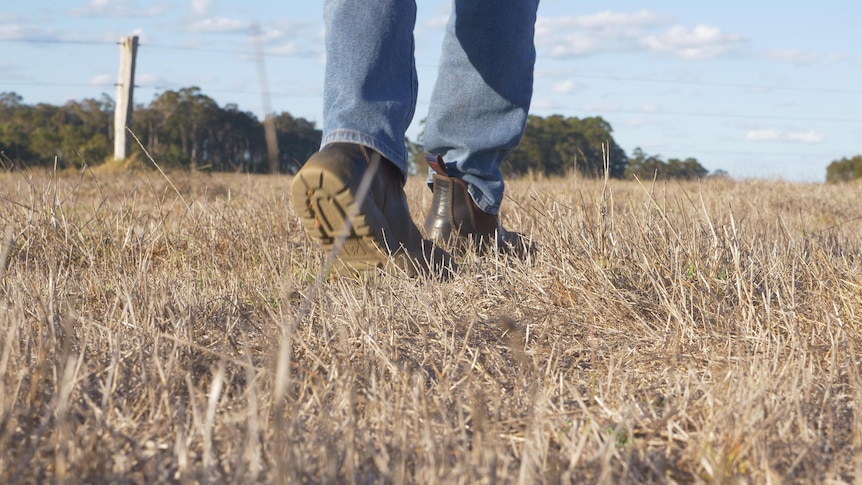
Dry conditions and increased fuel loads have led to a heightened bushfire risk across most of Australia, according to the Australian and New Zealand Council for Fire and Emergency Services (AFAC). Despite forecasts of above-average rainfall in some areas, the fire risk remains high due to elevated fuel loads and dry soil.
An El Niño, currently at its strongest on record, is expected to exacerbate the fire conditions. This climate pattern is linked to reduced rainfall and increased temperatures, particularly in eastern Australia. The combination of El Niño and the potential emergence of a positive Indian Ocean Dipole could further elevate the fire risk across regions already facing elevated conditions.
Experts warn against complacency, as bushfires can still occur even in regions with a normal seasonal outlook. The fire risk is highest in the Northern Territory, Western Australia, southern Victoria, eastern Tasmania, South-east Queensland, north-eastern New South Wales, and north-west South Australia. Fears grow over what Australia's spring and summer will look like, following the declaration of an El Niño by the weather bureau.
Professor David Bowman from the University of Tasmania highlights that vegetation growth in forests recovering from bushfires in 2019-20 has been prolific, resulting in a substantial fuel load. Under a strong El Niño with heatwaves, the landscape could rapidly transition into dangerously dry conditions. In areas like Cobargo, in south-east NSW, a sustained drying trend could lead to a shift into deep drought, increasing the risk of bushfires.
Written by urgent.news from ABC News AU's reporting — not their text. Machine-written — may contain errors; check the original before relying on it.