DNA technology helps identify New Brunswick woman decades after death
A New Brunswick woman whose remains were discovered in Ontario has been identified decades after her death through advances in DNA technology, giving investigators new leads in a homicide case and highlighting the growing role of genetic genealogy in solving cold cases. Niagara Regional Police announced that Brenda Marie LeBlanc was identified in 2025 after...
In 2025, a New Brunswick woman identified as Brenda Marie LeBlanc was finally recognized decades after her death through the use of advanced DNA technology. Her remains had been discovered in Ontario during a home demolition in 2023, and investigators speculated that they may have been present at the location since the mid-1990s.
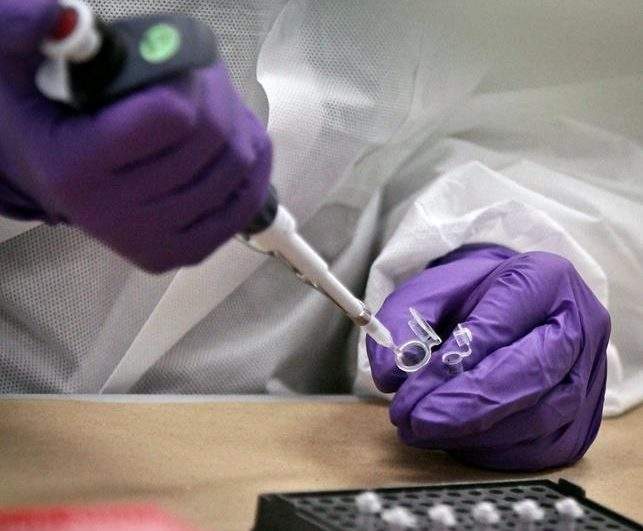
Initially, police were unable to determine the identity of the remains due to the sensitive nature of the case, but they eventually turned to investigative genetic genealogy, a method that utilizes DNA recovered from remains to locate biological relatives using voluntarily provided genetic profiles. Niagara Regional Police Inspector Andrew Knevel stated that every traditional investigative method had been exhausted before this technique was employed.
Forensic biology professor Kelly Miles explained that this technology is revolutionizing criminal investigations, allowing for convictions based on DNA that a distant relative has uploaded without their knowledge. The DNA link was eventually confirmed through direct comparison, leading to the identification of LeBlanc and opening new avenues for investigation into her life and death.
Advances in forensic science have made it possible to generate DNA profiles from even small and degraded samples, with biological evidence potentially remaining usable for decades. While the use of investigative genetic genealogy has raised privacy concerns, Miles believes that the benefits to public safety outweigh any loss of privacy.
The science behind DNA analysis is rapidly evolving, with researchers developing faster testing methods, techniques requiring even smaller samples, and tools capable of predicting physical characteristics from genetic material. However, investigators are still searching for answers about how LeBlanc died and who was responsible for her murder, urging anyone with information to come forward.
Written by urgent.news from Global News's reporting — not their text. Machine-written — may contain errors; check the original before relying on it.
This story
This is one outlet's version. Read the fullest account.