The invented affair: How a complaint against the Grasser judge collapsed in on itself
Über Monate beschäftigte die Causa Staatsanwaltschaft, Ermittler und Forensiker. Am Ende blieb von den Vorwürfen gegen die Richterin nichts übrig. Justizvertreter üben scharfe Kritik
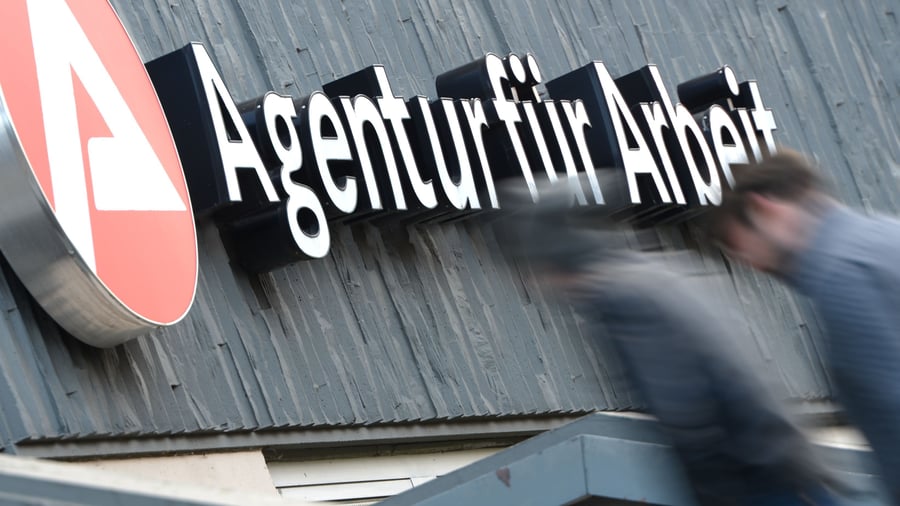
The latest figures on Germany's absenteeism rate show a slight decrease, but the total number of sick days taken by employees remains high. According to data from the Techniker Krankenkasse, German workers missed an average of 18.6 days of work between January and November 2025, compared to only 13 days in the entire year 2021. However, it's unclear how many of these absences are genuine medical issues versus employees faking illness, commonly referred to as "blaumacher" behavior.
An opinion research institute study revealed that over one in four Germans have falsified their absence records at some point. Another Pronova BKK study found that 60% of employed individuals have claimed to be sick when they were actually fit to work, with 7% doing so frequently. Around half of the respondents admitted to doing this "sometimes" or "rarely."
When an employee repeatedly claims to be sick when they could be working productively, employers are legally obligated to take action. Two employment law specialists explain the legal options available to companies to combat this issue.
Written by urgent.news from Handelsblatt's reporting — not their text. Machine-written — may contain errors; check the original before relying on it.
This story
This is one outlet's version. Read the fullest account.
- Krankmeldung: Wie sich Arbeitgeber gegen Blaumacher wehren können handelsblatt.com