Dell XPS 13 vs. MacBook Neo: A Surprising Upset
The Dell XPS 13 and MacBook Neo are both premium-feeling laptops with only 8 GB of RAM. Which $700 laptop is the better buy?
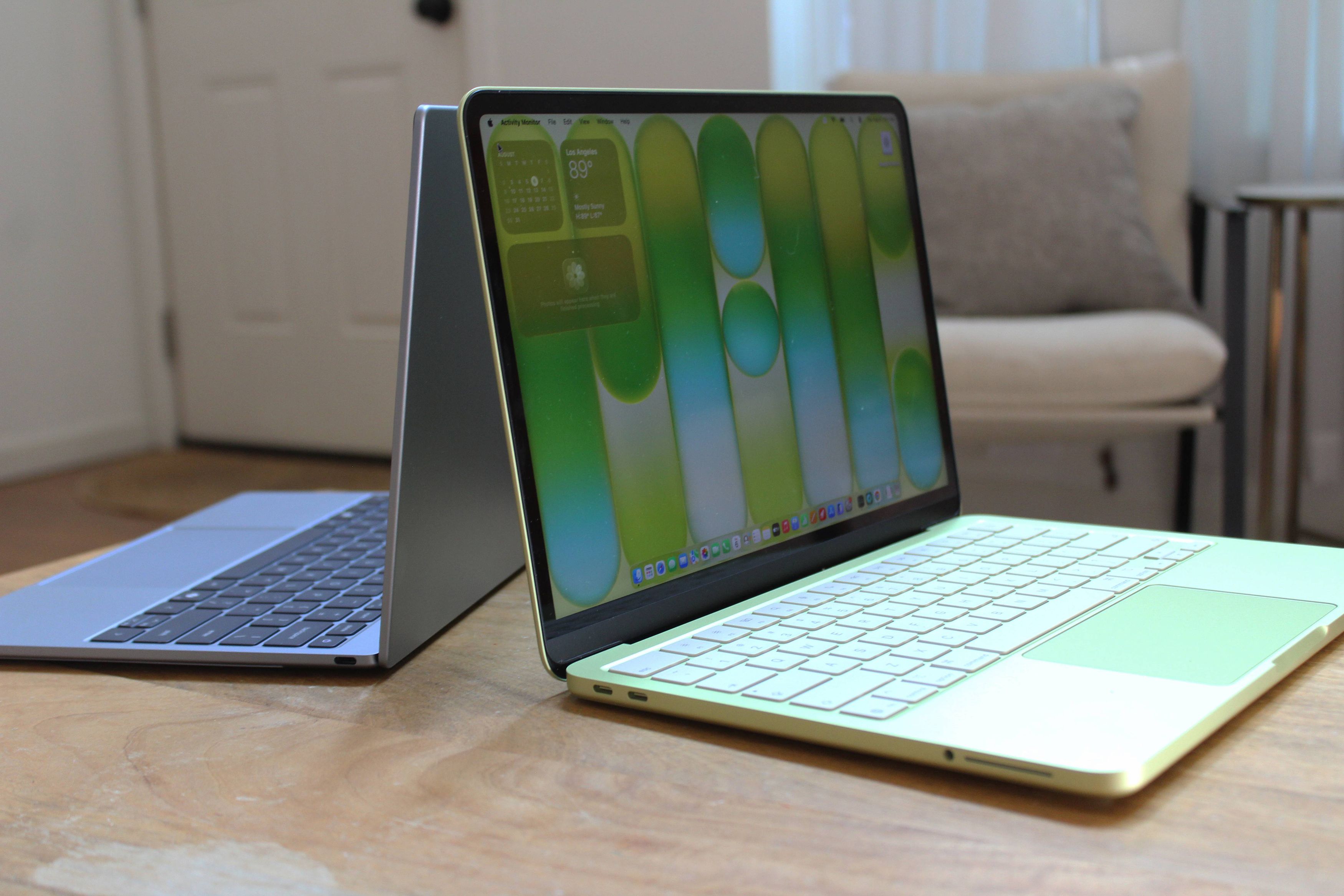
In a surprising turn, a Dell XPS 13 arrived at my doorstep and proved to be the laptop I had been eagerly anticipating. This revelation prompted a closer examination of the Dell XPS 13 to determine if it truly outperforms the MacBook Neo as the budget laptop of choice. Initially, the MacBook Neo's $599 price tag for its base configuration seemed shocking, considering Apple's past reluctance to lower the MacBook's cost.
Even at its current $699 starting price, the MacBook Neo pushes the boundaries of affordability, entering an uncharted territory for Apple. This new offering threatened the long-standing dominance of Windows laptops in the market. While numerous Windows laptops are available within this price range, they often suffer from subpar materials, low-quality displays, and inferior touchpads.
Although the HP OmniBook 5, a laptop I appreciate, features a weak touchpad, the Dell XPS 13 sought to match the MacBook Neo's premium quality across various aspects. Priced at $699 (or $599 for students), the XPS 13 shares the same starting cost as the Neo. Both laptops boast identical dimensions, measuring just half an inch thick when closed, offering comparable portability.
Remarkably, the XPS 13 weighs 2.2 pounds, half a pound lighter than the Neo. Despite the Neo's slight advantage in weight, handling both laptops in hand reveals a perceptible difference. One notable advantage the Dell XPS 13 holds is its smaller screen size compared to the Neo. At 13 inches, the XPS 13's display features considerably narrower bezels, particularly at the bottom, resulting in a more contemporary appearance.
Although the Neo's white keyboard and striking color options may attract attention, the added screen real estate and reduced dimensions of the XPS 13 are more desirable, especially for frequent travelers seeking to bring their laptop on flights. Moving on to the screen quality, one might anticipate Apple to compromise on display performance at such a low price point.
However, Apple's display in the Neo is anything but mediocre, reaching 509 nits in testing and offering satisfactory color reproduction. Yet, the XPS 13 outshines the Neo in three significant ways. Firstly, it incorporates a touchscreen functionality, which MacBooks have yet to adopt. This addition provides a welcome feature for an entry-level model.
Secondly, the XPS 13 boasts a 120-Hz refresh rate, leading to swift and fluid screen responsiveness—a rarity among budget laptops. Lastly, the XPS 13 surpasses the Neo in terms of color saturation, particularly on the Adobe RGB and P3 color scales. In fact, the XPS 13 features one of the finest IPS screens tested in a budget laptop, matching the sharpness of the Neo.
Similar to the MacBook Neo, the XPS 13 also delivers excellent keyboard and trackpad experiences. Both devices offer top-notch keyboards and trackpads, making them comfortable to use immediately upon first use. While trackpads can be a point of frustration for budget Windows laptops, Dell wisely avoided any compromises in this regard.
In contrast, Apple faced challenges with the keyboard, not including Touch ID in the base model and omitting backlighting—a feature present in the XPS 13. The XPS 13's USB-C ports demonstrate further superiority over the Neo. Both devices include two USB-C ports, but the XPS 13 strategically splits them, allowing charging from either side.
Notably, one USB-C port on the Neo is an outdated USB 2 port, offering limited functionality for file transfers and external display output. Conversely, the XPS 13 features USB 3.2 Gen 2 ports, each capable of supporting a 4K display and data transfer at up to 10 Gbps. On the downside, the Neo offers a headphone jack, while the XPS 13 lacks one.
Although the importance of this feature may have diminished with the prevalence of wireless audio, some individuals still prefer having a headphone jack. The Dell XPS 13 is equipped with 512 GB of storage, available in both base and upgraded configurations. The Neo, on the other hand, comes with a more limited 256 GB starting storage option, requiring an upgrade to the Touch ID model for 521 GB.
Notably, the XPS 13 employs faster storage technology, further enhancing its performance. In terms of video conferencing, both laptops feature 1080p webcams. While the Neo's image processing is slightly superior, the XPS 13 incorporates an infrared camera, enabling biometric login without requiring a password. Notably, the Neo's base configuration does not include Touch ID, necessitating manual password entry for login, settings adjustments, and online transactions.
Lastly, the RAM capacity on both devices proved insufficient for optimal performance. Apple's claim of the Neo's 8 GB RAM being sufficient for most users proved flawed, as both laptops quickly depleted their available memory when multitasking with various applications.
Written by urgent.news from Wired's reporting — not their text. Machine-written — may contain errors; check the original before relying on it.