Data centre boom set to drive natural gas demand
QNADohaData centers are growing into one of the drivers of growing global demand for electricity, pushed by the rapid expansion in artificial intelligence, cloud computing and digi...
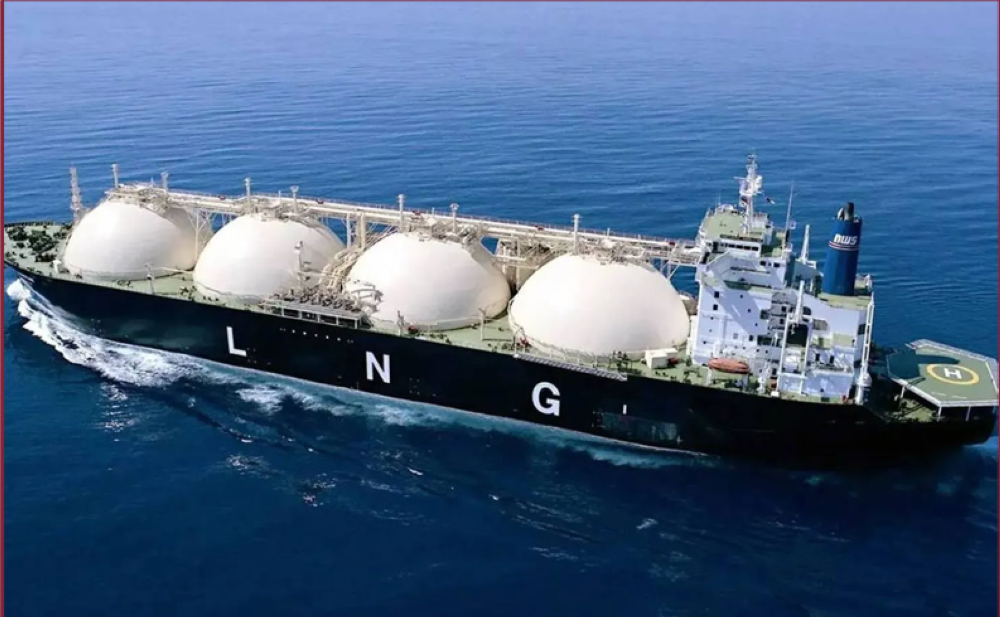
Data centers are burgeoning as a key factor in driving up global electricity demand, fueled by the explosive growth in artificial intelligence, cloud computing, and digital services. These digital hubs consume vast quantities of electricity around the clock, opening new opportunities for the gas industry. Consequently, the demand for dependable and capable energy sources to fulfill this constant demand has surged, strengthening natural gas' role as one of the most adaptable generation sources to complement the surge in renewable energy.
Nayef Al Nabet, a non-resident fellow at the Middle East Council on International Affairs specializing in AI governance, discussed these developments exclusively with the Qatar News Agency. He emphasized the need for uninterrupted power supply for data centers, noting that while there have been recent assessments predicting an anticipated surplus in the LNG market due to new production capacities, discussions are now shifting towards the potential decline in such surplus caused by computing-related power requirements.
Al Nabet added that energy providers are no longer just price participants but have become key players in technical capability debates, a shift previously limited to those controlling chips and models.
Mohammed Alam, an ICT expert, echoed similar sentiments, noting that data centers have evolved from supporting technical infrastructure to becoming the backbone of the digital economy, underpinning critical government, financial, and healthcare services. As AI expands, the need for intensive computing around the clock has increased, consequently driving up electricity demand.
Alam highlighted a recent International Energy Agency estimate indicating that global data center electricity consumption will nearly double from 485 terawatt-hours in 2025 to 950 terawatt-hours by 2030, with AI-focused data centers growing at a faster pace. He stressed that the challenge lies not in curbing the expansion but in managing its energy consumption efficiently.
Alam explained that a data center's efficiency is measured by the amount of useful computing produced from each unit of energy, with this efficiency starting at the design stage, incorporating high-density infrastructure, climate-adapted cooling systems, resource optimization, and strategic load distribution among local data centers, the cloud, and edge computing based on sovereignty, security, and response-time requirements.
Alam suggested that AI could contribute to this solution by forecasting loads, optimizing cooling systems, and reducing wasted energy. However, he pointed out that this issue extends beyond operational challenges, as Qatar's economic success hinges on its ability to convert energy into value. Alam emphasized that investment in data centers and artificial intelligence is a natural extension of this energy-to-compute-to-knowledge-to-value equation, aligning with Qatar National Vision 2030's economic and environmental goals.
He stressed that energy has transformed from an operating budget item into a design criterion, and institutions that adopt this approach from the outset are building more efficient and future-ready digital infrastructure. Success will be judged by the amount of economic and service value generated per unit of energy consumed, not just the scale of computing capacity, Alam concluded.
In this rapidly evolving landscape, Qatar, endowed with substantial gas reserves and expanding LNG production capabilities, is positioning itself as a key player capable of capitalizing on the increasing demand for energy and gas over the coming years. Modern technology, particularly large-scale data centers, underscores the potential of gas as the energy of the future, with growing demand projected to reach between 600 million and 700 million tons of LNG annually by 2035, as reported by US energy and power-sector consulting firm Grid Strategies.
Data centers in the United States alone account for about 55% of utilities’ projected electricity-demand growth over the next five years, reflecting the significant impact these facilities are having on power-sector planning. As AI applications proliferate, data centers' power needs are expected to rise further, prompting utilities to expedite new generation capacity plans.
Hence, natural gas is becoming increasingly relied upon to provide reliable and flexible electricity, alongside investments in solar and wind power projects. While renewable energy is a crucial part of strategies to reduce emissions and diversify energy sources, its variability necessitates natural gas as a vital electricity source during peak demand or when renewable generation declines.
Consequently, some power firms are augmenting their natural gas generation capabilities, while others reconsider mothballing plans for conventional generation plants to ensure adequate reserves as power grids undergo rapid growth.
Written by urgent.news from Qatar Tribune Business's reporting — not their text. Machine-written — may contain errors; check the original before relying on it.