Coking coal market poised to be volatile in the short-term on China mine mishap, steel output dip
China’s new mine regulations will curb production, while Indian demand growth is expected to continue
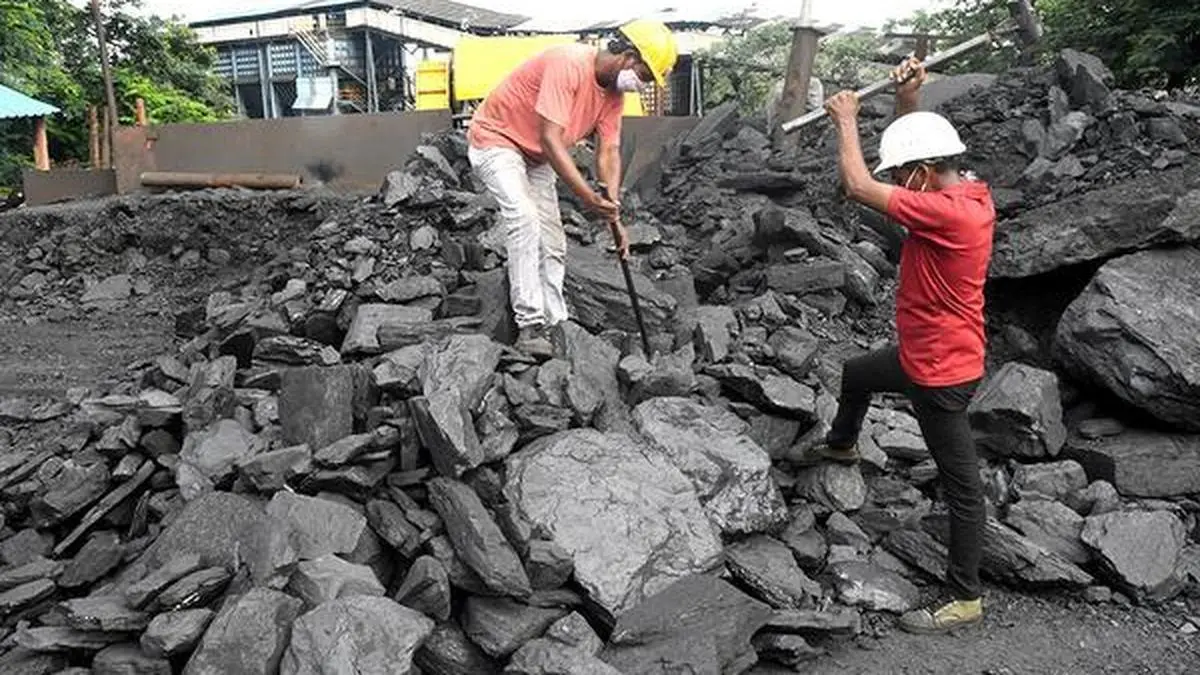
The global coking coal market is forecasted to be volatile in the short-term due to a combination of factors. Steel production has decreased, leading to two rounds of price cuts for the commodity. However, this is being offset by strict safety inspections of mines by China. Despite a 15% rise in futures in a week, experts from Sunsirs predict coking coal will remain range-bound with wide fluctuations in the short term.
The Liushenyu coal mine explosion in China's Shanxi province in late May, which killed 82 people, has triggered an investigation into mine safety and regulatory compliance. Shanxi is crucial to China's coking coal supply. The new Chinese Standards for Determining Major Accident Hazards in Coal Mines took effect on July 1, making it harder for Chinese coking coal mines to increase output aggressively in response to higher prices, thereby keeping domestic supply tighter than it would otherwise be.
Major Chinese producers are expected to adopt more conservative operating practices following the accident, leading to below-nameplate capacity output in some areas.
This situation will keep Chinese coke plants active in the seaborne market through Q3. BMI, a research agency, has raised its price forecast for 2026 by $15 a tonne, attributing this upward revision to the residual impact of the Liushenyu coal mine explosion. Prices for Australian premium hard coking coal averaged $233 in the first half of 2026, with a peak of $250 in early February, before easing to around $220 by the end of March.
Written by urgent.news from Hindu BusinessLine's reporting — not their text. Machine-written — may contain errors; check the original before relying on it.