Chinese robotaxi firms see eased regulatory bottleneck in Europe as deployment picks up
The business environment for Chinese robotaxi operators in Europe has become more open and friendly over the past year, which would help facilitate Chinese firms to commercialise their self-driving technology worldwide, according to Pony AI founder and CEO James Peng. “Compared to last year, there is a clear increase in the openness towards autonomous driving and the willingness to gradually open…
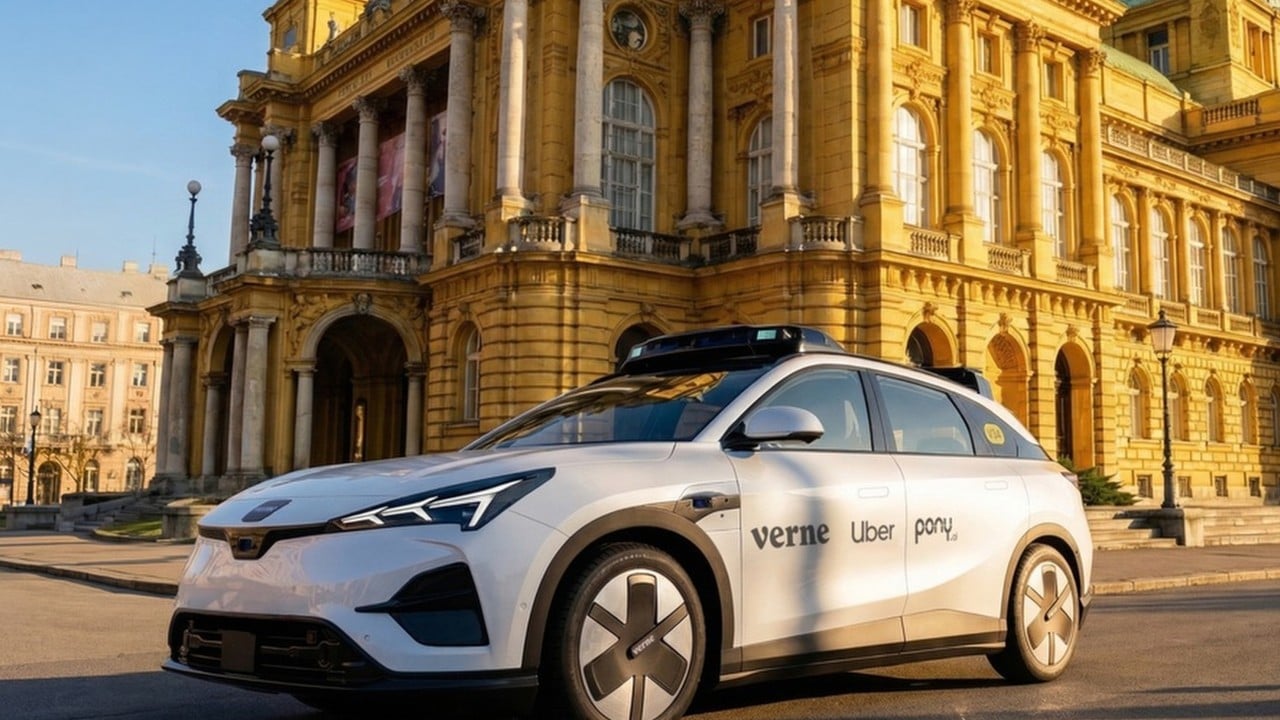
Chinese robotaxi firms have experienced a more welcoming regulatory environment in Europe over the past year, which is expected to aid their expansion of self-driving technology worldwide, according to Pony AI's James Peng. In an online briefing, Peng highlighted a noticeable increase in openness towards autonomous driving in Europe, enabling the company to pilot projects to support commercial applications.
Pony AI expects to deploy an additional "several hundred" vehicles across European streets before the end of 2026, as part of its goal to achieve a total fleet of 3,500 cars by the same date. The company currently operates a robotaxi fleet of 1,975 vehicles, with plans to expand globally.
Other key players in China's self-driving tech scene, such as Baidu's Apollo, WeRide, and Momenta, are also active in overseas markets. These firms, among others, are viewed as China's main competitors to US-based Waymo, the leading provider of self-driving taxi services. In the three months ending June, Pony AI reported a net loss of US$45.4 million, a 14.9% decrease from a year ago.
However, total revenue surged by 69% to US$36.2 million, with robotaxi fleet sales reaching US$12.1 million, a staggering 691% year-over-year increase. The company also provides intelligent solutions to corporate clients and operates robo trucks.
Pony AI has recently established a partnership with ride-hailing firm Uber Technologies to expand the deployment of more than 2,000 robotaxis in Europe. The company's global deployment pipeline is currently at 4,000 vehicles. Momenta has recently received regulatory approval to conduct nationwide urban road tests of its autonomous-driving systems in Germany.
Chinese robotaxi firms are outpacing their US competitors in overseas markets, as they have expanded their services from Hong Kong, Singapore, and Europe to the Middle East. The mainland Chinese government aims to have 300,000 driverless cabs operating in its top-tier cities by 2030, driven by advancements in artificial intelligence and the falling costs of smart electric cars.
Written by urgent.news from South China Morning Post's reporting — not their text. Machine-written — may contain errors; check the original before relying on it.
This story
This is one outlet's version. Read the fullest account.