China shifting massive AI data center complexes to rural provinces to tap surplus energy — ‘Eastern Data, Western Computing’ strategy has Chinese tech giants Huawei and Tencent building AI infrastructure Guizhou
Chinese tech giants are putting up data centers in rural Chinese provinces with zero resistance. The abundance of land and energy in these areas allowed infrastructure to easily be built with limited issues, although some experts still question how much development they can bring to these areas.
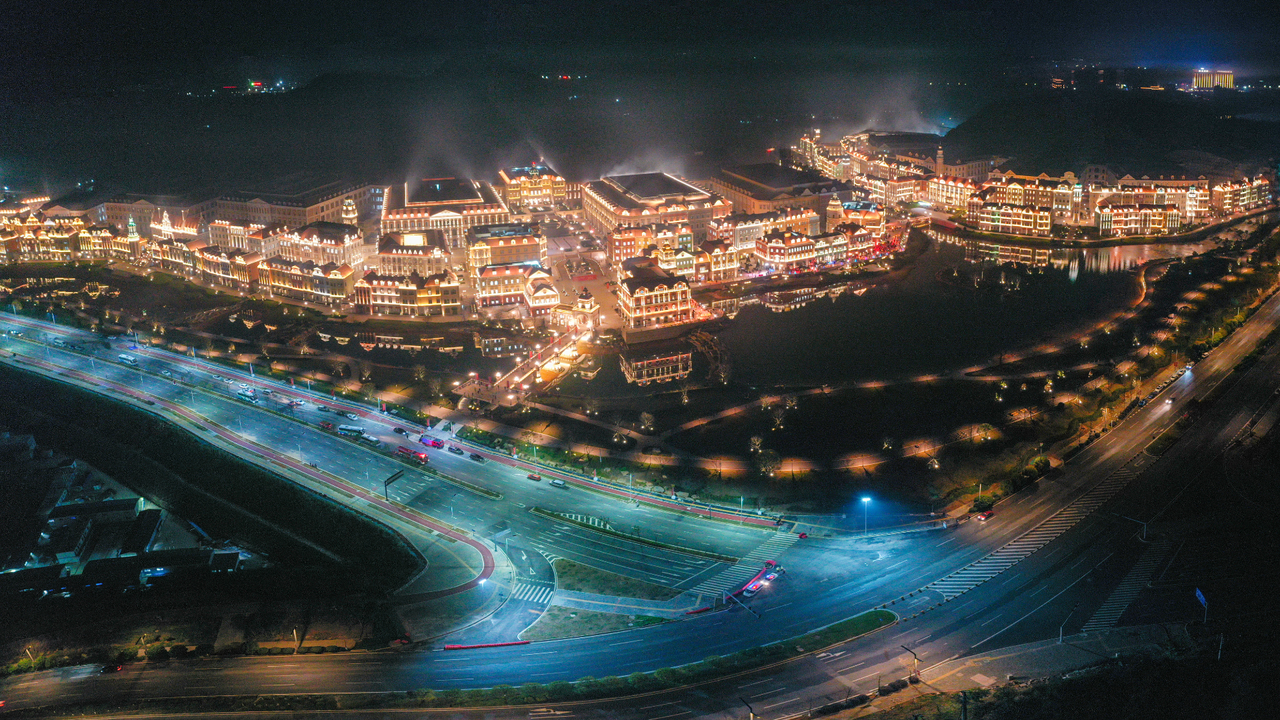
China is strategically relocating massive AI data center complexes to rural provinces to harness surplus energy, as part of its "Eastern Data, Western Computing" approach. Tech giants Huawei and Tencent have been constructing AI infrastructure in provinces like Guizhou, located more than 500 miles from Shenzhen. Unlike in the U.S., where data centers face significant opposition, Chinese build-outs seem to be approved with relative ease, benefiting the local communities.
Local shopkeepers and residents have reported improved transportation, increased trade, and new business opportunities since the arrival of the tech companies. Li Xixiu, a local resident, mentioned that the development of the main road has significantly boosted the area's economy and created more job opportunities for villagers, who previously had to seek work elsewhere.
However, Beijing maintains strict control over any objections and protests, as the central government sets the policies. In the U.S., data centers have faced criticism due to substantial electricity price increases for the average user, with the PJM Interconnection region experiencing a 76% cost rise. By contrast, China has a considerable advantage in power generation, with western provinces offering lower electricity rates to AI companies using Chinese chips.
Additionally, the Chinese government subsidizes power costs for residential and agricultural users, so citizens are not concerned about increased utility bills due to data centers. These rural provinces have ample land for renewable energy production, which helps utilize surplus power rather than wasting it. Consequently, the construction of these energy-intensive facilities is more attractive and cost-effective in these western provinces compared to the densely populated eastern regions.
Despite these benefits, there are concerns. A report by Taiwan's Research Institute for Democracy, Society, and Emerging Technology (DSET) suggests that while Guizhou has seen an average GDP growth of 7.4% over the past decade, wages have not increased proportionately, lagging behind the rest of the nation. The researchers, Cartus Bo-Xiang You and Angela Glowacki, noted that the investment in land and equipment from data centers has not significantly boosted local per capita income.
Written by urgent.news from Tom's Hardware's reporting — not their text. Machine-written — may contain errors; check the original before relying on it.