China fund managers stick with AI, chips in August despite July sell-off, survey finds
Despite July’s sharp sell-off in global semiconductor shares, driven by concerns over AI-linked profitability, artificial intelligence and chips remained China’s most preferred investment themes in August, while more investors moved to hedge tech exposure, according to a survey by BofA Global Research. The findings come from the August edition of the Asia Fund Manager Survey, for which Bank of…
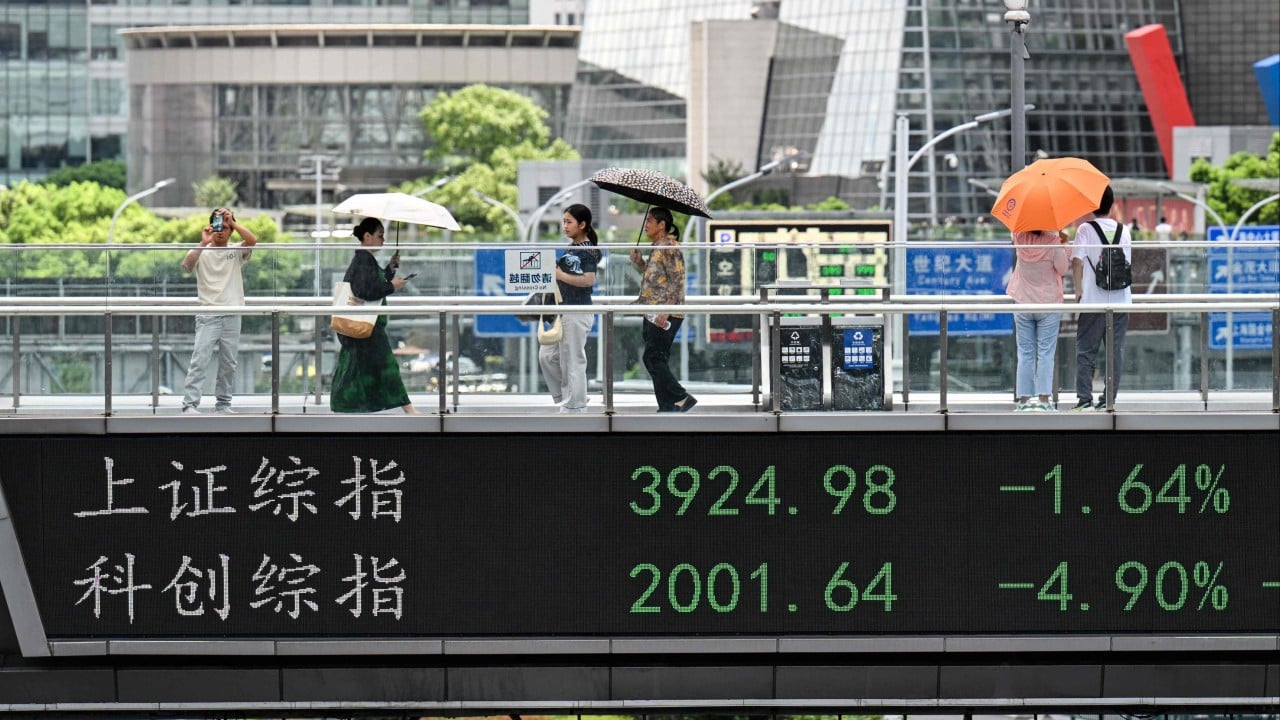
Despite a sharp sell-off in global semiconductor shares in July, driven by concerns over AI-linked profitability, artificial intelligence (AI) and chips remained the top investment themes in China in August, according to a Bank of America survey. A survey of 98 fund managers in the Asia region revealed that 73% of China-based managers favored AI and chips as their top two investment themes in August, up from 60% in July and 50% in June.
This preference for AI and chips was even higher than in previous months. Shares of companies with buy-backs or dividend payments ranked second among the preferred themes, with 27% of China-based fund managers selecting them, a significant increase from 16% in July. The surge in preference for defensive stocks in China is consistent with a broader trend across Asia, where 59% of surveyed fund managers indicated they were hedging against potential declines in AI-related stocks, more than double the 29% reported a month prior.
Optimism surrounding semiconductor export growth in South Korea and Taiwan, both major beneficiaries of the current chip supercycle, dipped sharply, with only 27% of respondents expressing optimism in August, down from 60% in July. However, market indices in both South Korea and Taiwan rebounded in August. In Asia, 64% of fund managers said they needed evidence of revenue generation from AI investments before increasing their holdings of related shares.
Sentiment towards China's market improved slightly, with the net share of managers who were underweight falling to 18% from July's 20%, suggesting a modest reduction in bearish positioning towards Chinese assets.
Written by urgent.news from South China Morning Post's reporting — not their text. Machine-written — may contain errors; check the original before relying on it.
This story
This is one outlet's version. Read the fullest account.