Car emissions crackdown in London improves child health
A measurable improvement in children’s lung health has been seen in London since the introduction of traffic restrictions in an effort to cut air pollution, according to a study published in the Lancet. Scientists compared the lung capacity of children in Luton, a town about 60 kilometres north of London, with that of children living in London. They found that children in the UK capital had…
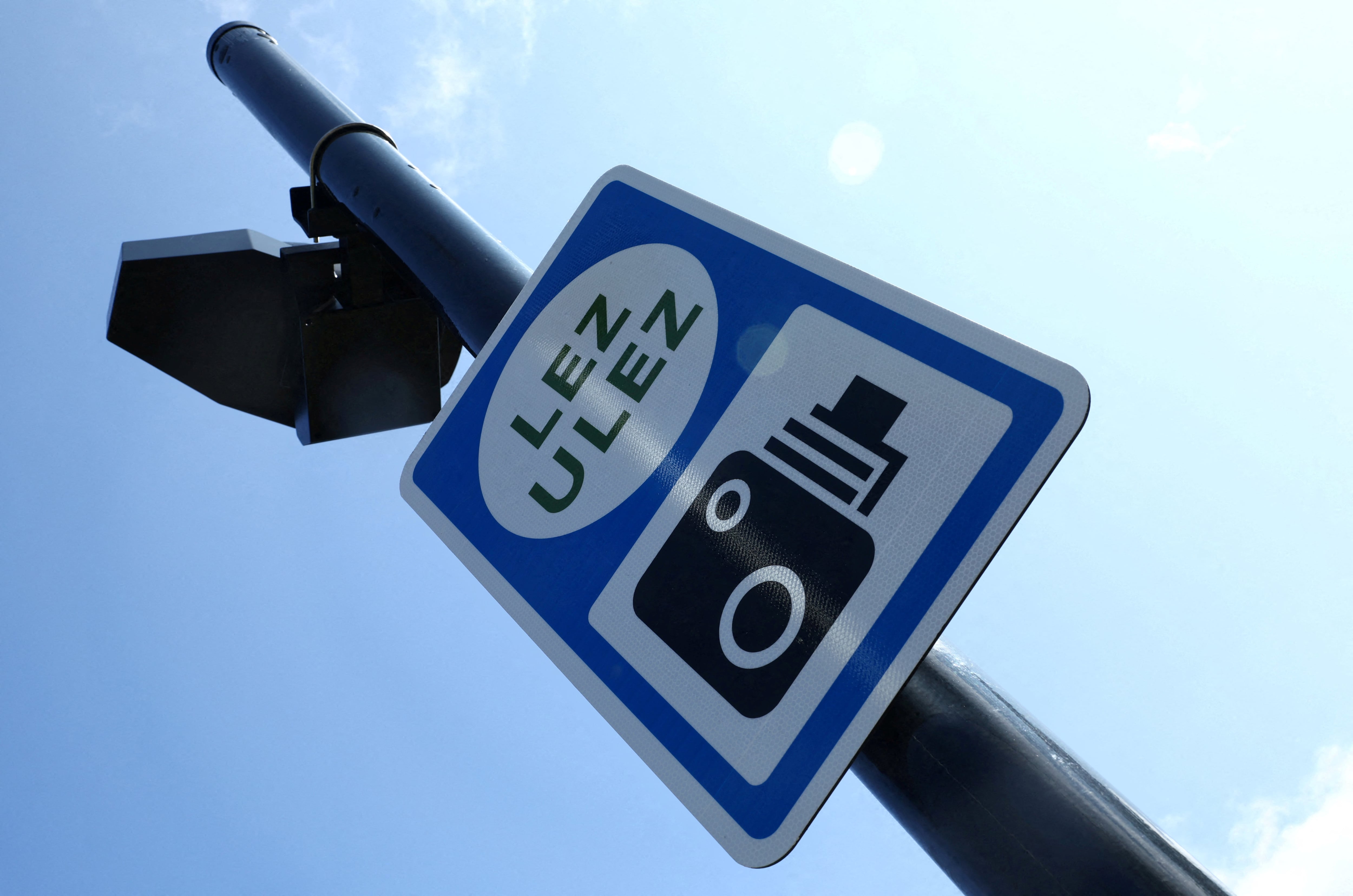
Recent research published in the Lancet Public Health has revealed that children's lung health in London has significantly improved since the introduction of traffic restrictions aimed at reducing air pollution. Scientists compared the lung capacity of children in Luton, a town approximately 60 kilometers north of London, with that of children residing in the city.
Initially, children in London had smaller lungs than those in Luton, but over a span of five years, the two groups exhibited similar levels of lung size and health. Moreover, the proportion of children with clinically impaired lung function fell twice as much in London as in Luton during this period. The Ultra-Low Emission Zone (Ulez), implemented in central London in April 2019 and expanded to outer London in August 2023, imposes charges on drivers using older vehicles with more polluting engines.
The primary objective of this initiative is to minimize nitrogen dioxide emissions, a pollutant associated with breathing and circulation issues, such as asthma and respiratory infections.
Professor Lucy Chappell, Chief Scientific Adviser at the Department of Health and Social Care, and CEO of the National Institute for Health and Care Research, commented that the findings will offer vital evidence on real-life interventions that yield substantial health benefits for children. Ian Mudway, an associate professor at Imperial College London and co-senior author of the study, emphasized the urgency of adopting bold and ambitious measures to enhance the lives of children in high-traffic urban settings.
Despite facing objections from critics who argued that the Ulez expansion would unfairly burden poorer Londoners and yield limited results in addressing the city's air quality concerns, evidence released by the mayor's office suggests a decrease in nitrogen dioxide levels, although these levels remain above the World Health Organization's recommended maximum.
Helen Wood, a research fellow at Queen Mary University of London and the study's lead author, stated that while it was already known that the Ulez reduced air pollution, the study's discovery of improved children's lung health is particularly significant for families residing in London. However, some experts cautioned against inferring a direct causal relationship between the Ulez introduction and the observed improvements in lung function.
Stephen Burgess, a professor of biostatistics at the University of Cambridge, pointed out that various factors, including the pandemic, may have influenced the results. He emphasized that the change in lung function is "striking," but it remains "more questionable" whether the improvements are solely attributable to the Ulez implementation.
Mayor Sadiq Khan expressed satisfaction with the study's findings, asserting that they validate his decision to proceed with the Ulez expansion, reinforcing his commitment to extending the benefits of cleaner air to every child in London. The study, involving over 3,400 children, was conducted by researchers from Queen Mary University of London, Imperial College London, and various other institutions, with funding from the National Institute for Health Research.
Written by urgent.news from The National UAE's reporting — not their text. Machine-written — may contain errors; check the original before relying on it.
Also reported by 1 other outlet
- Car emissions crackdown in London improves child health thenationalnews.com