Can’t use all your construction rights? You can sell them under new Delhi master plan
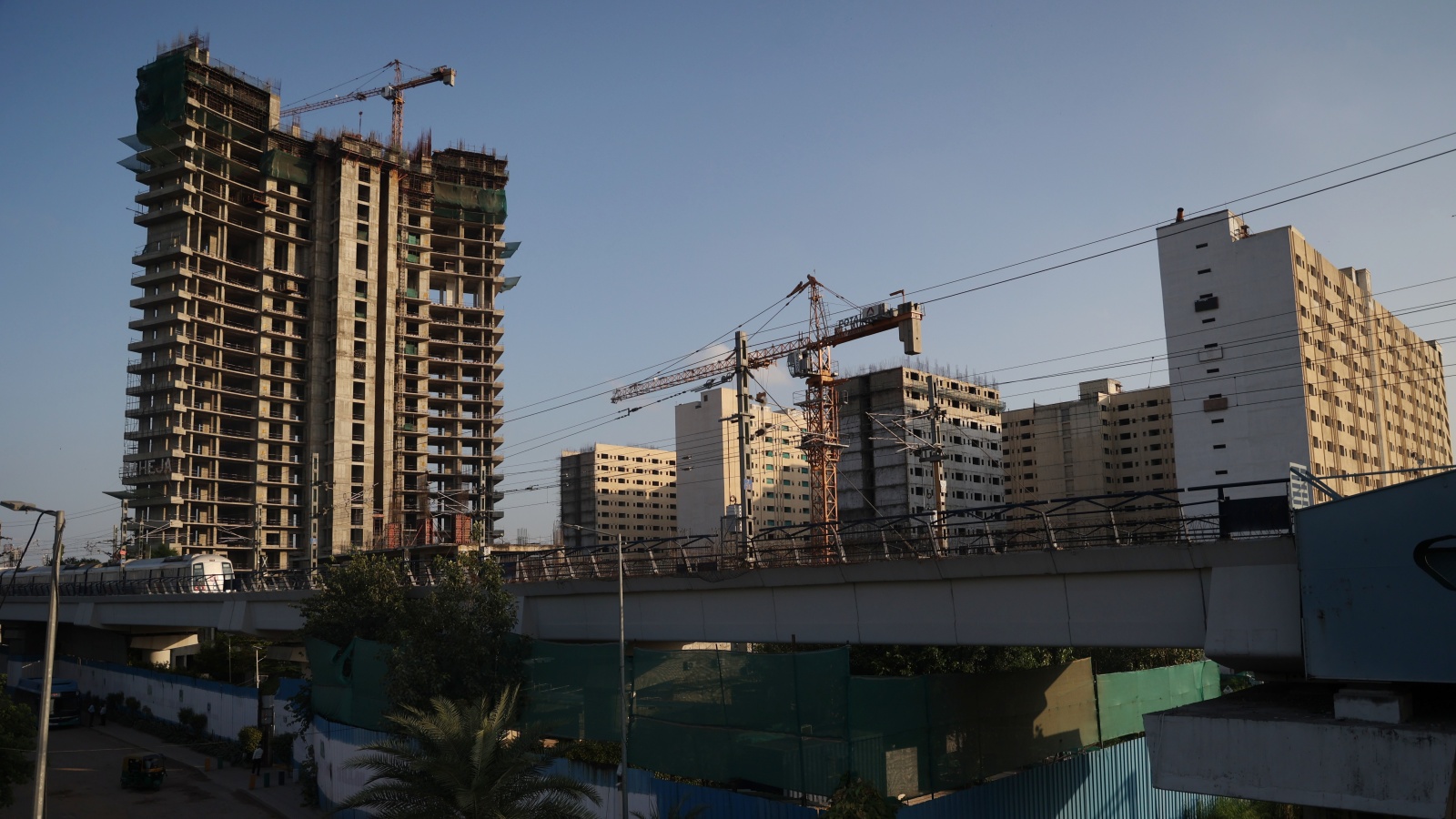
Delhi's new Master Plan, the Delhi Master Plan for 2047 (MPD)-2047, introduces Transferable Development Rights (TDR) to address unused construction rights. TDR allows developers to sell excess rights to another developer for a different plot. The Delhi Development Authority (DDA) will oversee this process. Similar to Mumbai's use of TDR, Delhi aims to incentivize private property owners to contribute to heritage preservation and slum rehabilitation.
Under the PPP model for slum rehabilitation, developers may not use all available development rights due to size, location, or height restrictions. Unused rights can be sold or transferred to another site. The new MPD provides a FAR of 500 for slum rehabilitation, enabling high-rise construction. Unused rights are particularly valuable in Transit-Oriented Development (TOD) zones with a FAR of 500.
TDRs will be awarded in three cases - conservation of heritage buildings, regeneration of buildings in Old Delhi, and in-situ slum rehabilitation. Developers will receive a TDR Certificate, which can be transferred among properties but used only within designated 'Receiving Areas' identified by the DDA. A dedicated online portal will facilitate TDR trading, streamlining the process.
Written by urgent.news from The Indian Express's reporting — not their text. Machine-written — may contain errors; check the original before relying on it.