Calling ADHD a myth is pseudoscientific and dangerous
ADHD is a real condition that can have serious consequences if undiagnosed. An ill-informed documentary that suggests it is a modern, social construct could cause harm, says Caroline Williams
National Health Service doctor Max Pemberton presented the controversial thesis that Attention Deficit Hyperactivity Disorder (ADHD) is a fabricated concept, not a genuine medical condition, in a Channel 4 documentary titled "The Great ADHD Myth?". This assertion has sparked outrage among many, who argue that it is irresponsible and potentially harmful to discredit a widely recognized disorder.
Pemberton's claim that ADHD is a modern invention to force individuals to conform to contemporary society is debunked by historical evidence dating back to 1798 when Alexander Crichton, a member of the Royal College of Physicians, first documented the condition. Since then, the disorder has undergone several renaming and redescription processes, underscoring its enduring legitimacy.
Despite Pemberton's acknowledgment of a recent surge in diagnosis rates, the actual diagnosis rate in England remains significantly lower than global population estimates. Studies suggest that around 5% of children and 2 to 3% of adults worldwide exhibit symptoms consistent with ADHD, yet only 1% of the English population is diagnosed, indicating a potential underdiagnosis problem.
Pemberton's attempt to self-diagnose via an online assessment further discredits his argument, as ADHD diagnosis requires a comprehensive evaluation involving multiple questionnaires and an in-depth interview. Pemberton's conclusion that ADHD is a social construct rather than a neurodevelopmental condition is similarly refuted by neuroscientist Katya Rubia of King’s College London.
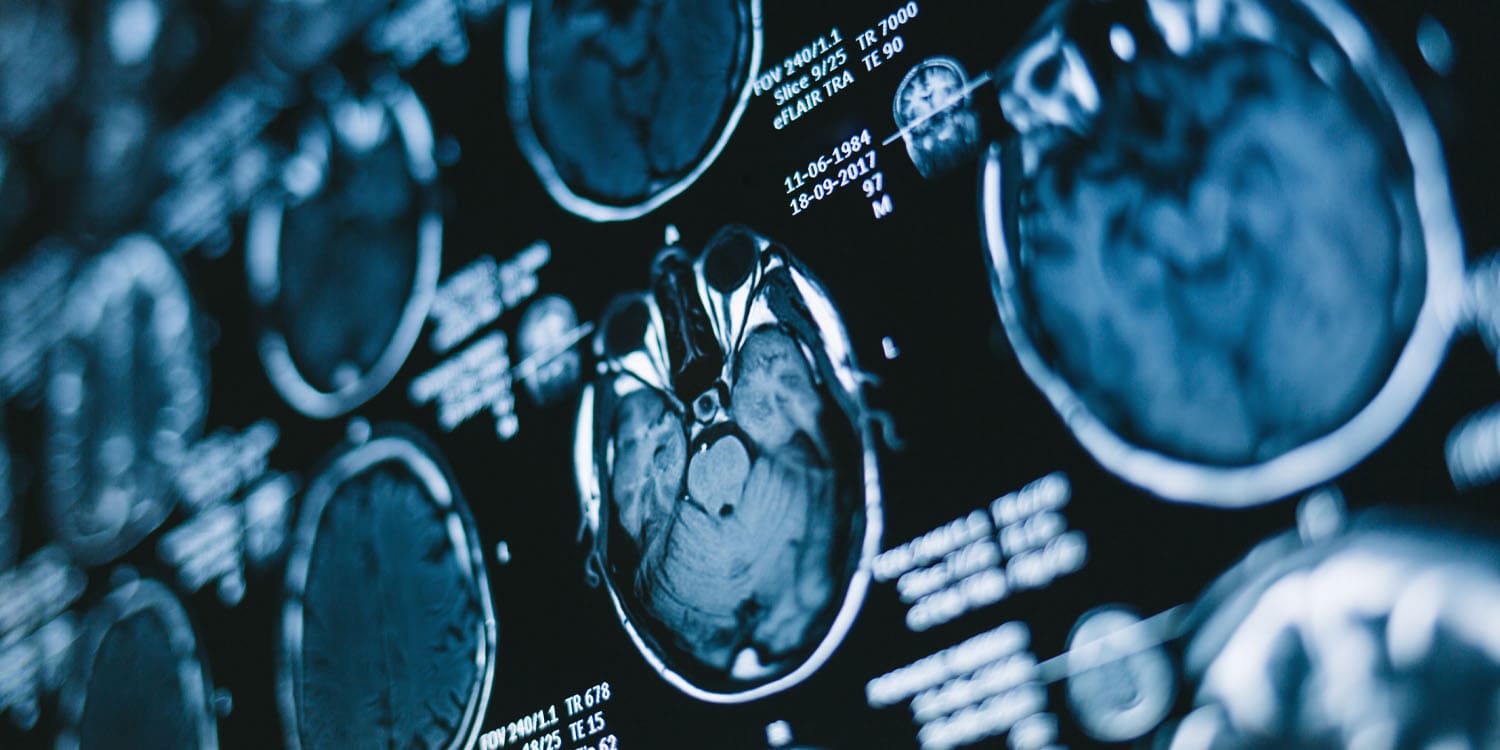
Rubia clarifies that while brain scans can reveal differences between individuals with ADHD and neurotypical individuals, they cannot be used to diagnose ADHD. Instead, ADHD is diagnosed based on symptom assessment and its impact on daily functioning. Critics argue that Pemberton's documentary irresponsibly perpetuates misunderstanding and potential harm to individuals who truly suffer from ADHD, highlighting the necessity for accurate, evidence-based discussions surrounding mental health conditions.
Written by urgent.news from New Scientist's reporting — not their text. Machine-written — may contain errors; check the original before relying on it.