British barley field left in 1961 became woodland in 60 years
A groundbreaking six-decade study reveals that passive rewilding effectively fosters the development of lush native woodlands. Through protective thorny scrub, young trees thrived, shielded from herbivores, while wind and jays ingeniously spread seeds, outlining the woodlands’ unique patterns. After fifty years, the area began to mirror the characteristics of ancient woodlands, showcasing an…
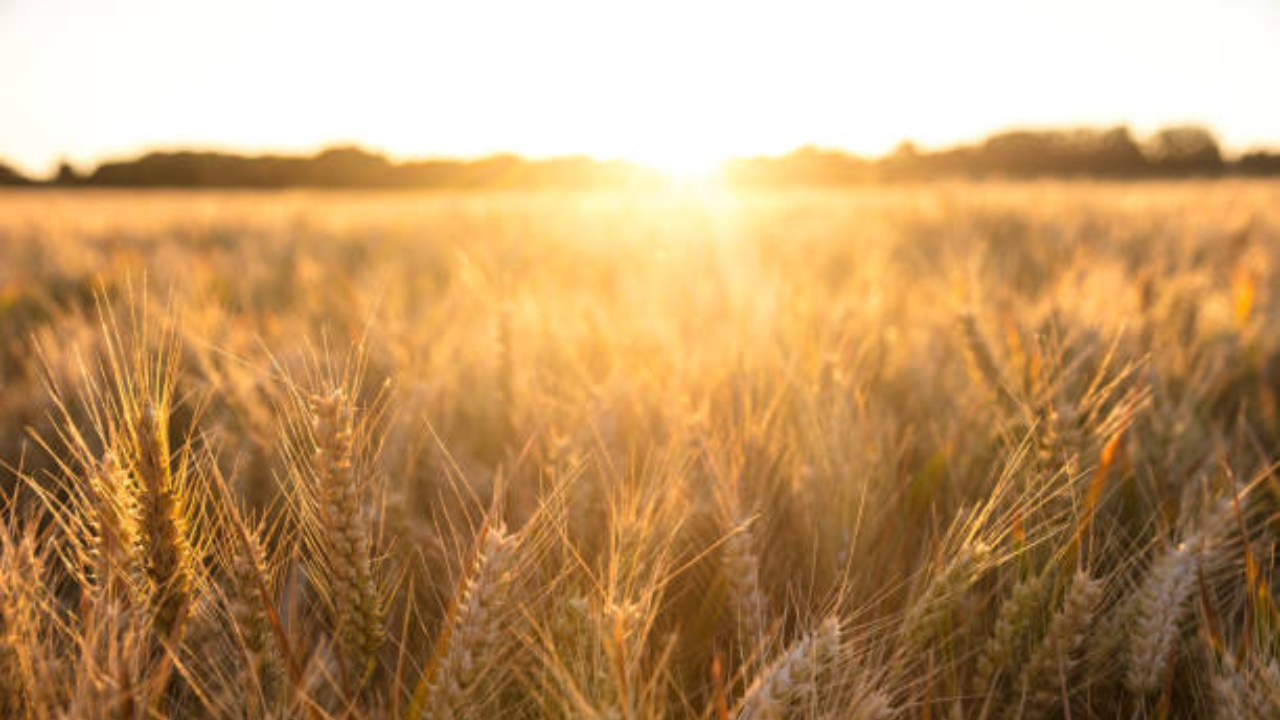
In 1961, researchers at Monks Wood in Cambridgeshire abandoned a four-hectare barley field, allowing the land to revert to woodland over the next 60 years. Known as the Old Wilderness, the plot transformed naturally without any intervention from humans. A nearby two-hectare grassland, last mown in 1996, became known as the New Wilderness.
The study, led by Dr. Richard Broughton of UKCEH, monitored the transformation using field surveys and airborne lidar laser scanning, revealing that passive rewilding can create biodiverse native woodland on lowland farmland within a relatively short time. The woodland began with aggressive thorny shrubs, which protected young trees from large herbivores like deer and rabbits.
Biodiversity-rich woodland, resilient to drought and disease, can form without any input from humans. The new woodland, reaching canopy maturity in 50 years, had 390 live trees per hectare, mainly pedunculate oak, ash, and field maple. The study highlights the role of jays and wind in dispersing tree seeds, with jays playing a significant part in natural colonisation.
Passive rewilding could help meet UK's ambitious woodland creation targets and contribute to nature recovery and net zero emissions by 2050, providing a cost-effective alternative to conventional tree planting.
Written by urgent.news from Times of India's reporting — not their text. Machine-written — may contain errors; check the original before relying on it.