Brazil's First Urban Yellow Fever Outbreak in Nearly a Century May Have Been Fueled by a Surprising Culprit
Extremely wet conditions are known to help spread mosquito-borne diseases like yellow fever. But based on computer simulations, researchers suspect that a severe drought may have contributed to the South American country’s recent deadly epidemic
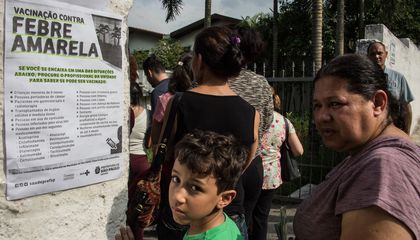
From 2016 to 2018, over 2,000 people fell ill with yellow fever in Brazil, and nearly 750 tragically died, marking the country's first urban outbreak of the disease in decades. A study published in Science Advances on August 14 suggests that an extreme drought may have fueled the epidemic. The researchers propose that the drought altered the behavior of forest-dwelling howler monkeys, marmosets, and mosquitoes, leading them to venture closer to urban areas in search of water.
These behavioral changes, the scientists argue, likely contributed to the spread of yellow fever among humans. While excess rainfall can increase the risk of mosquito-borne disease transmission by creating breeding grounds for blood-sucking insects, the study also suggests that severe drought could have a significant impact. Lead author Jamie Caldwell of Princeton University notes that the findings could provide public health officials with crucial lead time to take action, as drought conditions can build over months or even years, allowing for timely distribution of vaccines and other preventive measures.
Written by urgent.news from Smithsonian's reporting — not their text. Machine-written — may contain errors; check the original before relying on it.