Bond selloff slows, oil climbs further
The bond sell-off and reports that Anthropic's annual revenue run-rate reached US$65 billion in July, below some market expectations, triggered a sell-off in chip shares.
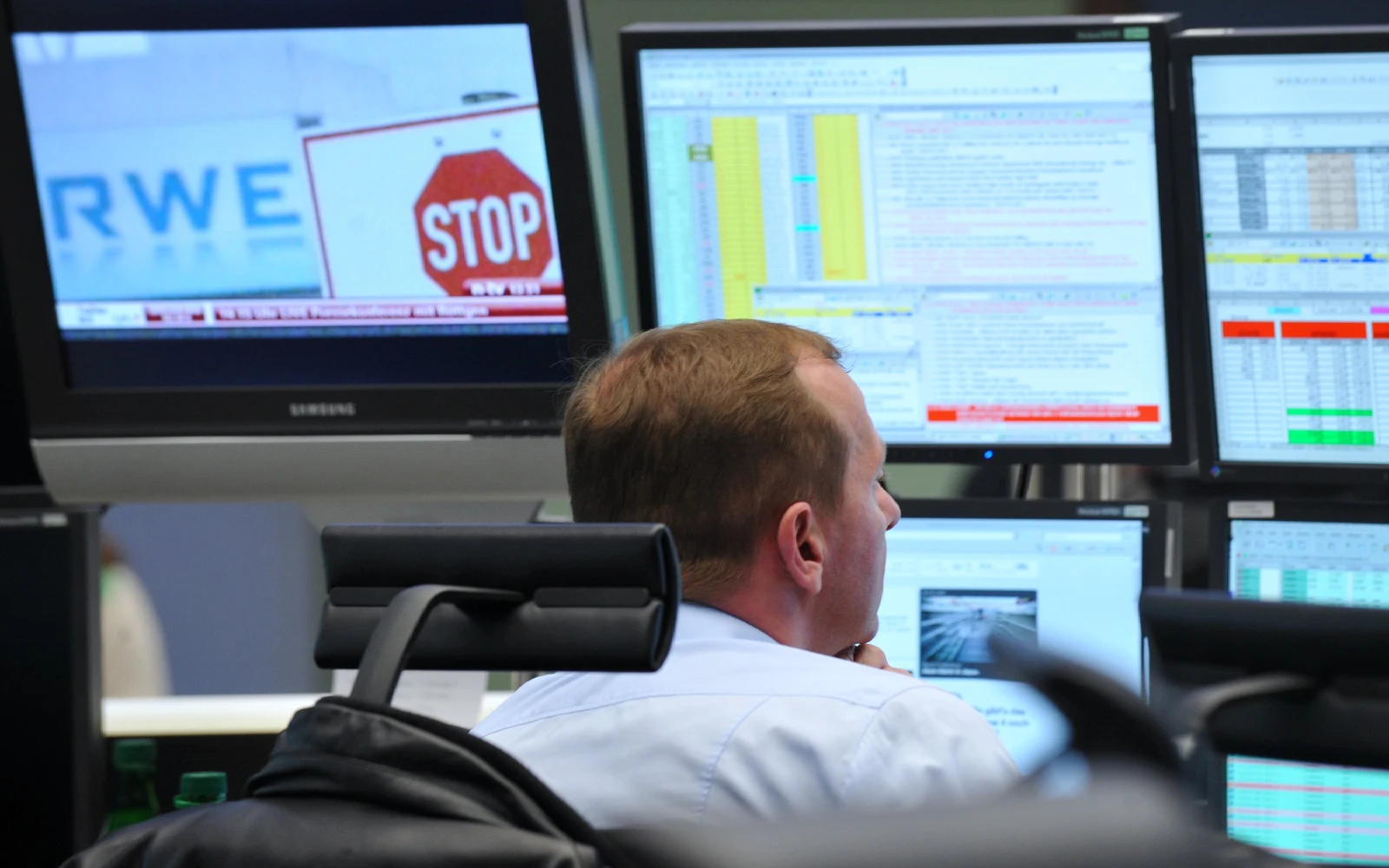
European stocks remained largely unchanged, while Wall Street futures signaled approximately a 0.1% increase on Wednesday. This contrasted with a sharp drop in South Korean shares, which fell nearly 6% following concerns over the outlook for semiconductor companies. Global bond yields steadied near historic highs due to worries about rising sovereign debt, while oil prices surged for a fourth consecutive day amid diminished hopes of resolving the Middle Eastern conflict.
European stocks were broadly flat, and Wall Street futures indicated a minor gain of around 0.1% NQc1, EScv1, after Asian markets experienced a decline due to uncertainty surrounding semiconductor companies. South Korean stocks closed around 6% lower, marking their largest one-day reduction in three weeks. Long-term borrowing costs, particularly from the US to Germany and Japan, have skyrocketed recently as investors grappled with mounting government debt and high inflation, partly fueled by the ongoing Iran conflict and its impact on oil prices.
The yield on the US long bond hovered around 5.27% on Wednesday, following a peak of 5.3371% the previous day. German and French debt also stabilized. Sovereign yields tend to rise when bond prices fall, and this trend is significant as long-end sovereign yields influence the prices of various other assets in financial markets, such as mortgage rates.
"If you combine an environment of persistent inflation and excessive government spending, then the natural trajectory for bond yields is upward," stated Jason Da Silva, director of global investment strategy at Arbuthnot Latham. He further predicted that bond investors would continue to exert pressure on the bond market, noting that major Western governments show no signs of curbing spending.
The upward trajectory of Japan's benchmark 10-year sovereign yield, nearing a three-decade high, serves as a warning for global debt markets that have traditionally relied on low Japanese rates to facilitate continuous Japanese investment abroad.
Oil futures climbed around 0.6% on the day, with light crude priced at US$85.48 per barrel and Brent crude at US$91.62 per barrel. Later on Wednesday, the US Federal Reserve will release minutes from their July meeting, during which they maintained interest rates on hold. However, Chair Kevin Warsh's cautious remarks at the press conference left investors uncertain about the central bank's future actions to address persistent inflation. The US is also scheduled to issue US$16 billion in 20-year debt.
Governments now face a critical decision between fiscal discipline and higher borrowing costs, and financial markets will persistently monitor which path they ultimately choose. Nigel Green, CEO of financial advisory firm deVere Group, emphasized this sentiment. In China, shares of the world's largest humanoid-robot manufacturer, Unitree, soared 600% following its debut, despite being more than 8,000 times oversubscribed by retail investors.
The bond selloff and the revelation that Anthropic's annual revenue had reached US$65 billion – lower than market expectations – contributed to selling pressure in chipmaking shares. The cautious market sentiment helped provide some support for the otherwise weakening dollar in currency markets, although movements were relatively modest.
The US dollar index dipped slightly by 0.2% to 99.405. The Canadian dollar experienced a minor uptick after US President Donald Trump temporarily halted the 50% tariff on Canadian goods for three days, citing a provisional agreement between the two nations. The euro gained 0.25% to reach US$1.160325, while the Japanese yen traded near 159.1 against the dollar, just shy of the 160 level, which could prompt another round of official intervention by central banks.
European inflation figures are expected to be released later on Wednesday, alongside earnings reports from Lowe's, Target, and TJX. Market participants will closely scrutinize these data points following softer-than-expected US retail sales figures last week. In the UK, inflation rose by 2.9% in July, in line with economists' forecasts, driven by an increase in energy costs.
Written by urgent.news from Free Malaysia Today's reporting — not their text. Machine-written — may contain errors; check the original before relying on it.
This story
This is one outlet's version. Read the fullest account.
- Bond selloff slows, oil climbs further freemalaysiatoday.com