Bilawal draws line on government legislation
Says PPP not to support lawmaking by govt, demands dialogue on new provinces
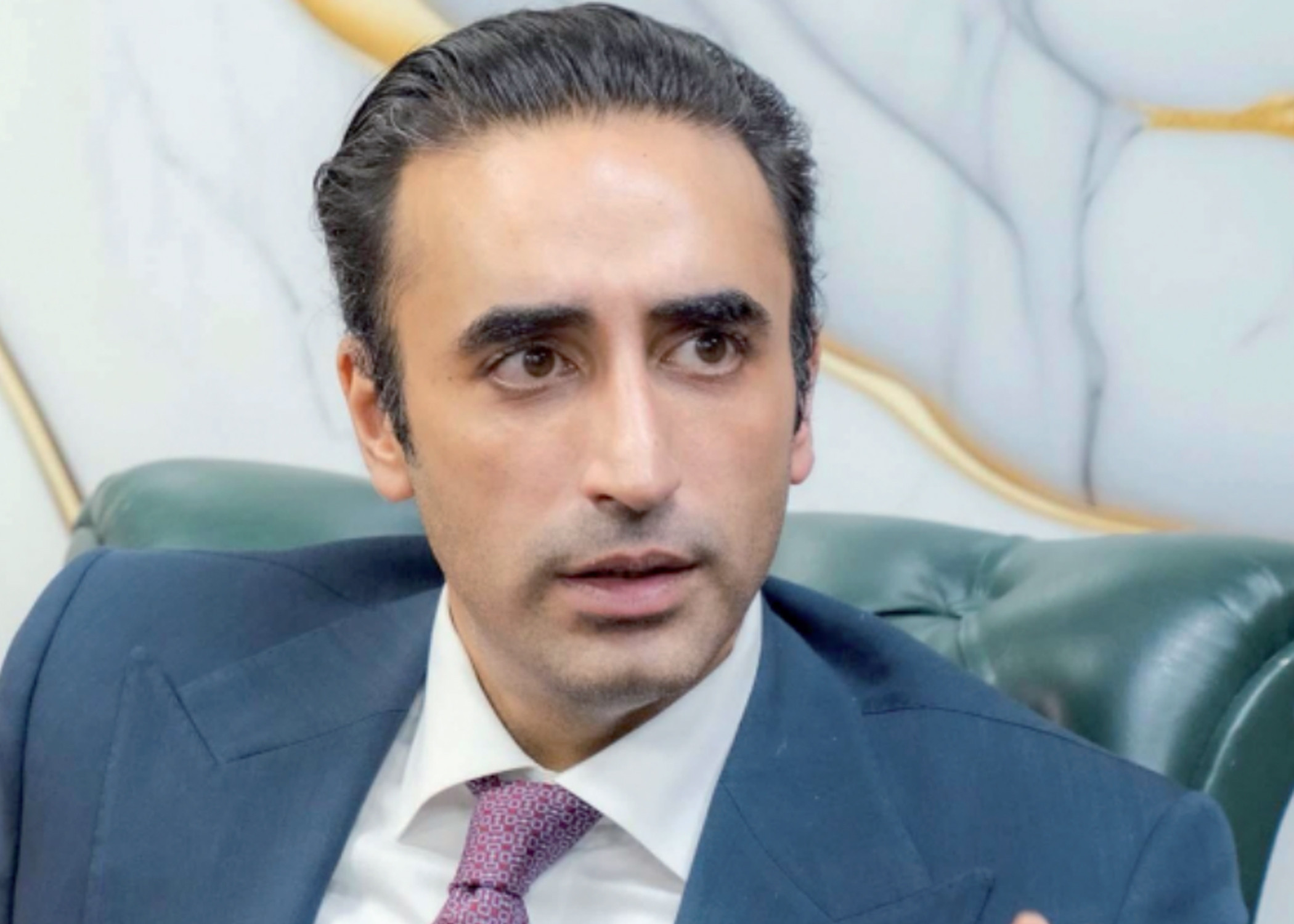
PPP Chairman Bilawal Bhutto Zardari declared on Wednesday that his party would not assist the federal government in enacting legislation without mutual agreement. If the government can pass laws independently of the PPP, it should do so, he stated while meeting with opposition leaders in Parliament House. Bilawal emphasized that decisions made through coercion or unilateral action would not be tolerated, and nothing would proceed without consensus.
He noted that the government could not claim it did not require PPP support in parliament while simultaneously accusing the party of obstructing its legislative plans. Bilawal accused the PML-N of portraying the PPP as an obstacle while seeking its support for significant laws and constitutional reforms. He argued that the PPP had communicated its concerns, proposed alternatives, and even offered cooperation for the national interest, but the government had ignored both.
According to Bilawal, opposition party members could not be compelled to engage in actions they had principled objections to. He stated that if the government believed it could accomplish everything without consultation, it should first seek approval from the president. Bilawal stressed that legislation should be based on dialogue, consensus, and respect for constitutional boundaries rather than force or numerical advantage.
He reiterated that laws created through coercion do not bolster Parliament's prestige or boost public trust. Bilawal reiterated the PPP's commitment to respecting Parliament, viewing it as the primary forum for addressing public issues and crafting better laws. He urged boycotted opposition parties to reconsider their stance and rejoin the legislative process.
Bilawal reiterated the PPP's stance on creating new provinces, emphasizing that it was grounded in constitutional principles, democracy, and the desires of the people. A new province could only be established if there was clear consensus among the local populace. He reiterated that no administrative or political decision could be imposed on any region by force.
Regarding Gilgit-Baltistan, he reaffirmed the PPP's backing for the region's demand for full constitutional rights and representation in Pakistan. On southern Punjab, he noted that the relevant provincial assembly had already approved the proposal, and there was no logical reason for the federal government to oppose it if the region's elected representatives supported it.
He questioned how he could disregard the Sindh Assembly's resolutions if he respected those of Gilgit-Baltistan and other provinces. Bilawal highlighted that during the PPP-led government from 2008 to 2013, the rights, autonomy, and representation of all provinces were upheld as a testament to the federation. He stressed that the agenda for new provinces should serve public welfare instead of political interests, and decisions should be made through Parliament, the pertinent provincial assemblies, and consultation with the populace.
Bilawal asserted that the current electoral environment, in which both opposition and government figures questioned the electoral process, including government members criticizing the transparency of elections, demonstrated a diminishing public confidence in the system. He called for electoral reforms through consensus, advocating for the use of Parliament to strengthen the Election Commission, improve electoral laws, and uphold the sanctity of the vote.
He condemned the recent Azad Jammu and Kashmir elections, alleging that they had been marred by controversy despite their significance to the Kashmir cause. Bilawal claimed that the PPP's reserved seats were systematically taken away, and there were reports of armed assaults on PPP workers in Bhimber and Mirpur, resulting in the death of a PPP worker, a direct gunshot to a PPP National Assembly member, and an attack on the AJK president.
He accused the federal government of using its entire administrative and political apparatus during the election period, causing the six-phase electoral process to fall short of the necessary transparency standards. Bilawal had previously lodged his objections with the Election Commission, Parliament, and other constitutional bodies.
Written by urgent.news from The Express Tribune - Pakistan's reporting — not their text. Machine-written — may contain errors; check the original before relying on it.