Beyond aid: Rethinking disaster assistance to Indonesia
Good intentions are never in short supply after a disaster, what Indonesia needs in Flores is the precision to strengthen local resilience rather than replace it.
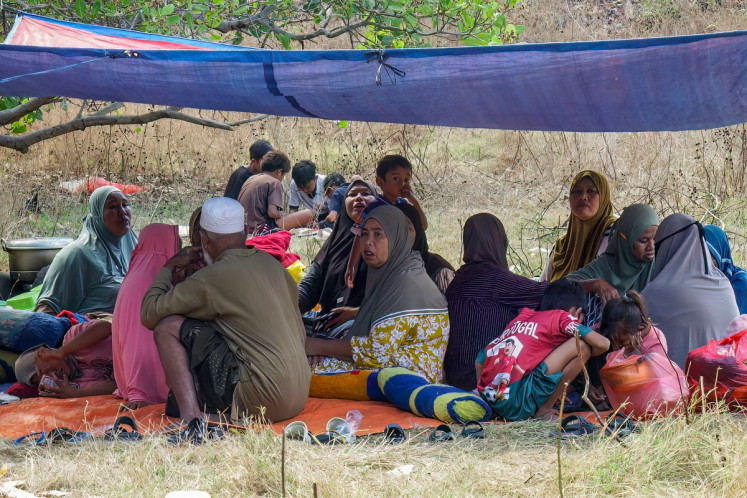
Indonesia, a nation prone to disaster, is looking beyond mere assistance to strengthen local resilience following the 7.7-magnitude earthquake in Flores, East Nusa Tenggara. The rapid escalation of casualties during the first 48 hours following the quake highlights the need for precise aid rather than blanket solutions. The National Disaster Mitigation Agency (BNPB) is the key source for real-time operational data on the disaster.
While Indonesia has a strong domestic response framework, including BNPB, Regional Disaster Mitigation Agencies, military, police, health workers, civil society, and volunteer networks, substantial gaps persist. The Disaster Pooling Fund was established to address annual direct disaster losses in the tens of trillions of rupiah.
Indonesia has transitioned to a nationally led disaster management model, but friction in local coordination and shrinking civic space remain challenges. The issue with international disaster assistance often lies in its premise, not its intentions. Aid based on what can be sent differs from aid based on what is urgently required.
Targeted relief, such as clean water, mobile clinics, basic logistics, and emergency shelter, is more valuable than massive, unsolicited shipments. Indonesia must address data fidelity, institutional coordination, and local governance to ensure that assistance outlasts the news cycle.
Written by urgent.news from The Jakarta Post's reporting — not their text. Machine-written — may contain errors; check the original before relying on it.