At least 30 children born from Cyprus IVF treatment had the wrong sperm donors
The children, mostly British, were born from insemination with wrong sperm and egg donors at fertility clinics in Northern Cyprus, BBC found; parents chose donors based on specific traits, but DNA tests revealed Turkish genetic origin instead of the expected one
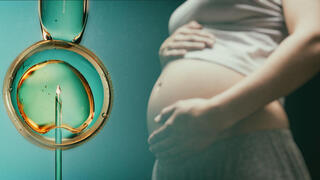
A BBC investigation has revealed that at least 30 children in northern Cyprus, most of them British, were born after in vitro fertilization treatments where the wrong sperm donors were used, despite parents choosing specific donors based on various criteria. The majority of these cases were linked to the Dogus IVF Centre. The investigation, which built upon a previous report published in March, uncovered a troubling pattern of deception and negligence.
Half of the cases involved a single clinic, Dogus IVF Centre, and the investigation found that Cryos International, the world's largest sperm bank, had blacklisted the clinic as early as 2016. This raises concerns about the clinic's transparency and the quality of its donor screening processes.
Parents, who had carefully chosen donors based on medical history, appearance, personality, education, and hobbies, now suspect that different donors were actually used. They express shock and disappointment over the situation, believing it to be a much larger and more deceptive issue than initially thought.
One of the mothers, Rachel, had chosen an anonymous Danish donor through Cryos International, who she believed would be used in her treatment. However, after her son Jonah was born, genetic testing revealed that he is not Ditto, the donor she had selected. Instead, he carries genetic ancestry from Turkey or nearby countries.
The investigation uncovered that 11 of the 30 affected children have undergone commercial DNA testing, and the results consistently point to genetic ancestry from Turkey or nearby countries. This finding strengthens the suspicions that the donors parents chose were not the ones used in their treatments.
Fertility experts who reviewed the investigation's findings expressed shock at the possibility of such a widespread issue. They suggest that the repeated occurrences of using the wrong donors may point to negligence or deliberate deception within the clinics. The British Fertility Society concurs, stating that the findings indicate a systemic problem that transcends one rogue doctor and one rogue clinic.
The parents affected by this story now face difficult questions about the identity of the real donors and their medical history. They are left wondering about the long-term implications of this revelation and the impact it may have on their children's lives.
Written by urgent.news from Ynetnews Culture's reporting — not their text. Machine-written — may contain errors; check the original before relying on it.