Ashanti Gender Department calls for urgent action on increasing teenage pregnancy
The Department of Gender in the Ashanti Region has raised concern over the increasing incidence of teenage pregnancy among adolescents in the region. It has therefore stressed the need to intensify efforts to protect young people and promote their sexual and reproductive health. According to the Department said, this requires a sustained collaboration among parents, […]
The Department of Gender in Ghana's Ashanti Region has expressed alarm at the rising rates of teenage pregnancy among adolescents in the area. To tackle this issue, the department emphasizes the necessity of intensified efforts aimed at safeguarding young people and fostering their sexual and reproductive health. Achieving this goal, according to the department, necessitates ongoing collaboration among various stakeholders, including parents, educators, local communities, healthcare professionals, government bodies, and development partners.
The concern was highlighted during a series of informational sessions organized by the Ministry of Gender, Children, and Social Protection, alongside the United Nations Population Fund (UNFPA) and the Ashanti Regional Coordinating Council. These workshops brought together young individuals and adults from different districts and municipalities, aiming to bolster adolescent-friendly healthcare services, enhance access to sexual and reproductive health knowledge and resources, and champion the sexual and reproductive health rights of young people.
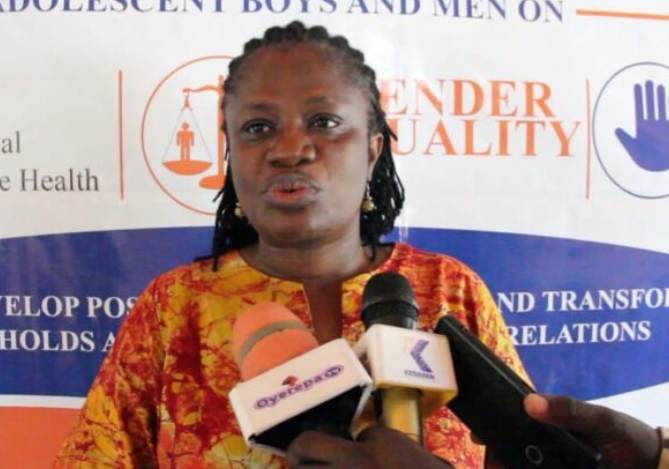
Participants hailed from regions such as Adansi Asokwa, New Edubiase, Sekyere Central, Kwadaso, Asokore Mampong, Atwima Nwabiagya South, and the Kumasi Metropolitan Assembly. Madam Ama Nyanta Boateng, the Ashanti Regional Head of the Department of Gender, addressed the attendees, urging parents and guardians to promptly report instances of rape involving their children to law enforcement authorities and refrain from settling such cases privately or compromising with alleged perpetrators.
She stressed that such actions could deprive victims of justice and expose other children to sexual abuse. Madam Boateng stressed the importance of parents taking sexual abuse allegations seriously, ensuring victims receive the required protection, counseling, and support. Furthermore, she encouraged communities to bolster their vigilance and reporting mechanisms to shield children and adolescents from sexual exploitation and other forms of abuse.
Madam Mercy Adomah Besseah, the Regional Director of the National Population Council in the Ashanti Region, expressed worry over the sexual and reproductive health challenges faced by young people. She pointed out that a recent report from the Ghana AIDS Commission revealed that the Ashanti Region had reported the second-highest number of HIV/AIDS cases among young people nationwide.
Describing this situation as alarming, she stressed that young individuals represent a crucial component of the country's future workforce. Madam Besseah called for urgent and sustained interventions to prevent new HIV infections and lower teenage pregnancy rates among adolescents. She advocated for providing young people with accurate information, appropriate counseling, and access to adolescent-friendly healthcare services, which she believes would enable them to make informed choices regarding their sexual and reproductive health.
The workshop facilitated discussions among participants on the causes and repercussions of teenage pregnancy, sexual abuse, HIV, and other reproductive health issues affecting adolescents. Some attendees reported that the program had equipped them with valuable insights about sexual and reproductive health and the significance of making responsible decisions, expressing confidence that this knowledge would empower them to educate their peers and contribute to efforts aimed at reducing teenage pregnancy and other health-related challenges among young people in their communities.
Written by urgent.news from Adom Online's reporting — not their text. Machine-written — may contain errors; check the original before relying on it.
This story
This is one outlet's version. Read the fullest account.