As the Israeli Election Nears, Trump Has Leverage Over Netanyahu
A White House endorsement could improve the Israeli leader’s chances of winning.
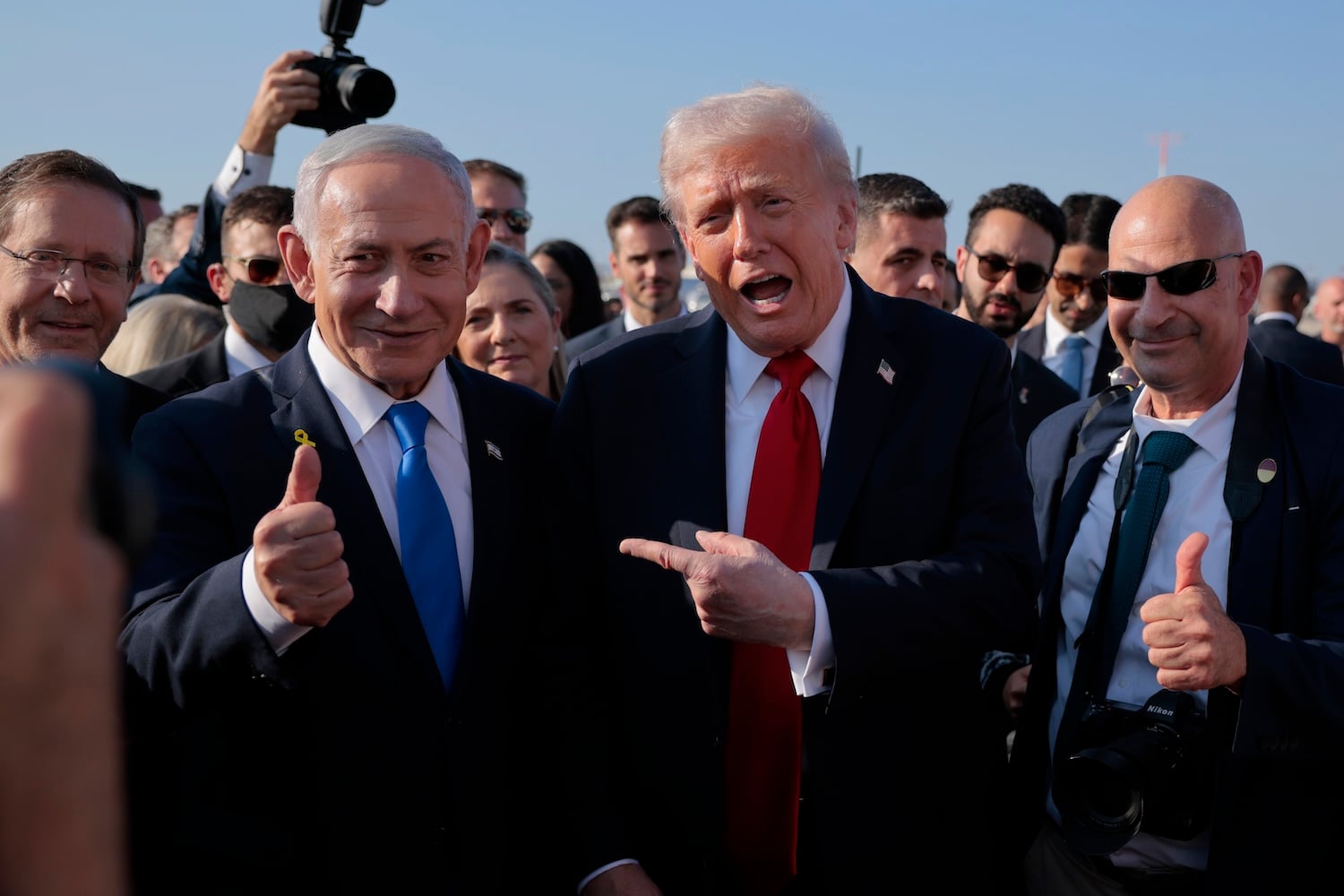
As the Israeli election approaches, President Donald Trump holds potential influence over Israeli Prime Minister Benjamin Netanyahu. With just two months remaining in the election cycle, Netanyahu's campaign has been struggling, and recent polls indicate his coalition may fall short of securing a majority in parliament. If he were to lose power, Netanyahu would be unable to control a justice system where he is currently facing charges of bribery, fraud, and breach of trust.
A critical factor in this election is whether Netanyahu will receive the endorsement of President Trump, which could be the deciding element in his re-election prospects.
Trump is popular in Israel, and while he cannot guarantee Netanyahu's victory, an endorsement would likely provide a significant boost. However, Trump has avoided directly supporting Netanyahu, stating that he prefers to refrain from interfering in Israeli elections but may endorse a candidate. Trump's personal admiration for Netanyahu contrasts with his frustration with Netanyahu's policies, particularly regarding the Iran war and the perceived overestimation of a U.S.-Israeli victory. At this stage, it is unclear whether Trump has made a decision about his endorsement.
Several factors will likely determine if Trump decides to back Netanyahu. First, Trump is likely receiving briefings on recent polls that suggest Netanyahu may lose the election to Gadi Eisenkot. While Trump is not familiar with Eisenkot, he may consider whether Netanyahu is a reliable bet for winning the election. Second, the period leading up to the Israeli election offers Trump considerable leverage.
Jared Kushner recently met with Hamas and Netanyahu in Cairo, and in Israel, regarding the Gaza demilitarization plan. Trump may use the Gaza plan as a condition for publicly supporting Netanyahu, potentially forcing Netanyahu to compromise his coalition's objections to the Gaza plan. Third, Netanyahu's political standing may have suffered enough for Trump to decide not to endorse him.
Opposition messages have reached Trump's inner circle expressing disapproval of endorsing Netanyahu, but Trump is unlikely to remain silent on the issue. Regardless of Netanyahu's shortcomings, they have been part of a long-standing relationship, and Trump believes he knows Netanyahu's strengths and weaknesses. Previous U.S. administrations have had varying degrees of impact on Israeli elections, but Trump's efforts have been particularly significant.
During his first term, Trump took steps to strengthen Netanyahu's position, including deploying billboards featuring the two leaders and hosting Netanyahu at the White House shortly before an Israeli election. In his second term, Trump has advocated for Netanyahu's pardon for the charges he faces. The question of whether Trump will endorse Netanyahu holds significant implications, as it could influence the election outcome and Netanyahu's political future.
Written by urgent.news from Foreign Policy's reporting — not their text. Machine-written — may contain errors; check the original before relying on it.