Ancient buffalo DNA lays out a roadmap to rehabilitating healthy herds
Genetic analysis of bison dating back 20,000 years shows how the 19th-century slaughter reshaped the species—and how today's herds could recover.
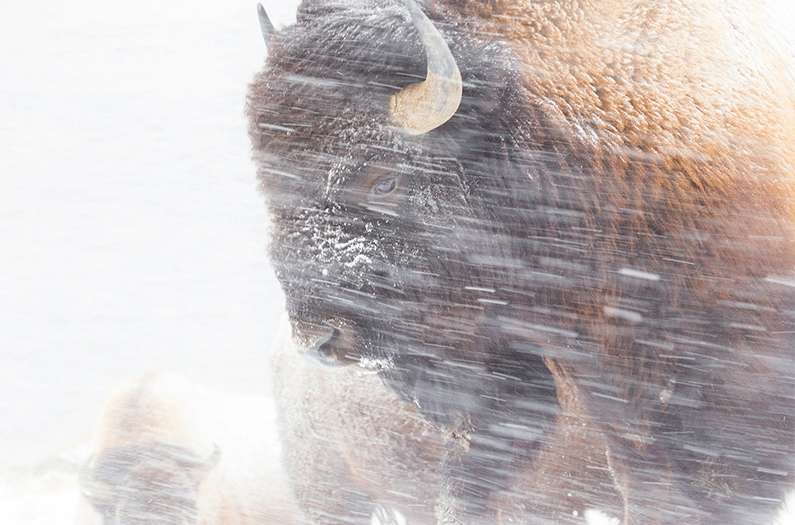
Ancient DNA analysis of North American plains bison reveals both the devastation caused by colonial powers and the potential for successful conservation. Beth Shapiro, a researcher from the University of California Santa Cruz, says the findings "rewrite the story of one of America’s most iconic conservation successes."
Prior to European settlement, millions of bison roamed North America, shaping ecosystems and the lives of Indigenous peoples. However, by the early 1900s, there were only a few hundred left, decimated by overhunting, habitat loss, and government-sanctioned slaughter. Since then, conservation efforts have led to a modest recovery, with over 20,000 bison living in the wild and more than 400,000 raised for commercial purposes.
Despite this progress, questions remain about the genetic health of the current population. The new study, published in Science, provides answers by examining ancient bison samples ranging from 20,000 to 100 years old, alongside modern DNA. The results show that despite a small founder population, modern bison maintain sufficient genetic diversity.
Ancient DNA also shows that plains bison once had a high degree of genetic flow across the landscape, a pattern that has been disrupted by modern confinement. Today, there are four distinct bison groups, each with unique genetic signatures. This suggests that current management practices should shift toward managing the remaining bison as a single herd, using reproductive techniques to blend their genetic diversity.
While there is evidence of cattle DNA in roughly a third of modern bison genomes, this contamination is minimal, making up less than 2% of their genetic makeup. Wood bison, found in Canada's boreal forest, are genetically distinct from plains bison, having diverged around 3,000 years ago. Despite carrying significant plains bison DNA, wood bison should continue to be managed separately from plains bison.
Written by urgent.news from Anthropocene Magazine's reporting — not their text. Machine-written — may contain errors; check the original before relying on it.