An LLM wiki changed how I work
And everything else I learned about productivity this year
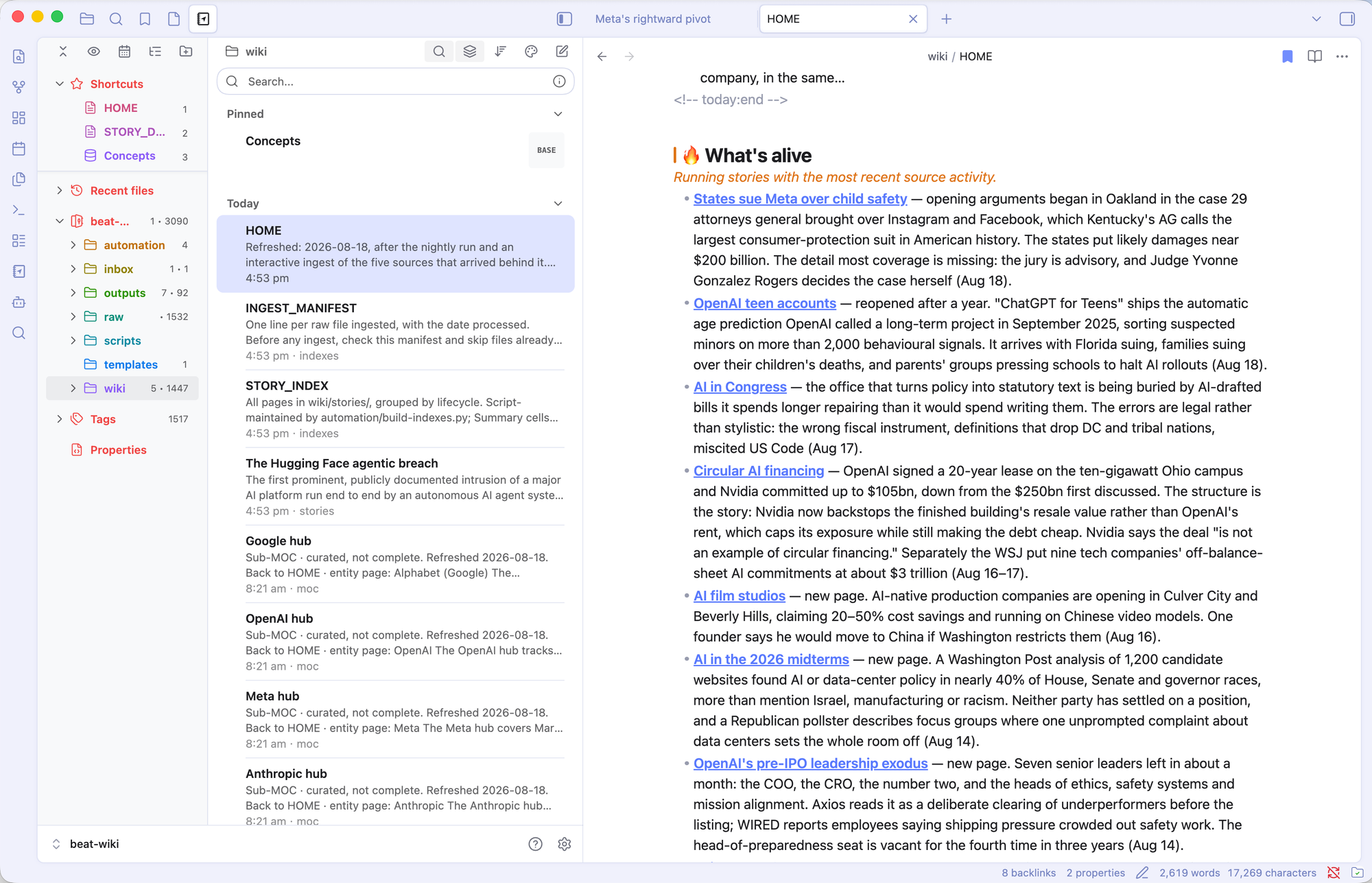
The world of artificial intelligence is exploding with ideas that can transform the way we work and think. This year, one such idea that caught on quickly is the use of Large Language Models (LLMs) to create personal knowledge bases. AI researcher Andrej Karpathy tweeted about this concept, describing how he builds local folders of source documents and uses an LLM to extract and organize their contents into a Markdown wiki.
The idea quickly spread online, with GitHub repos, YouTube videos, and Substack posts appearing within hours.
The author of this column tried the LLM wiki approach and found it to be incredibly useful. Building an LLM wiki requires some maintenance, as it's akin to driving a vintage sports car, but for those who need a research assistant, it might be worth the effort. The author shares how the LLM wiki has become a central part of their annual productivity post, and how it has helped them better organize their work.
In the author's yearly review of productivity changes, three apps remain essential for their workflow: Raycast, Capacities, and Recall. Raycast is a launcher app that streamlines navigation across various apps, while Capacities serves as a digital journal for the author's daily entries and research links. Recall provides near-instant text summaries of YouTube videos, saving the author hours of time.
However, the author has also stopped using certain tools this year. Notion's agent feature for searching across saved links failed to become a habit for the author, and the search functionality within Notion itself proved too cumbersome for efficiently organizing and linking stories around new concepts. These tools, once promising, did not deliver the ease and efficiency that the LLM wiki and the other recommended apps provide.
Written by urgent.news from Platformer's reporting — not their text. Machine-written — may contain errors; check the original before relying on it.