AMD inches closer to its goal of making AI suck less ... energy
House of Zen claims latest systems already 4x more efficient than two years ago
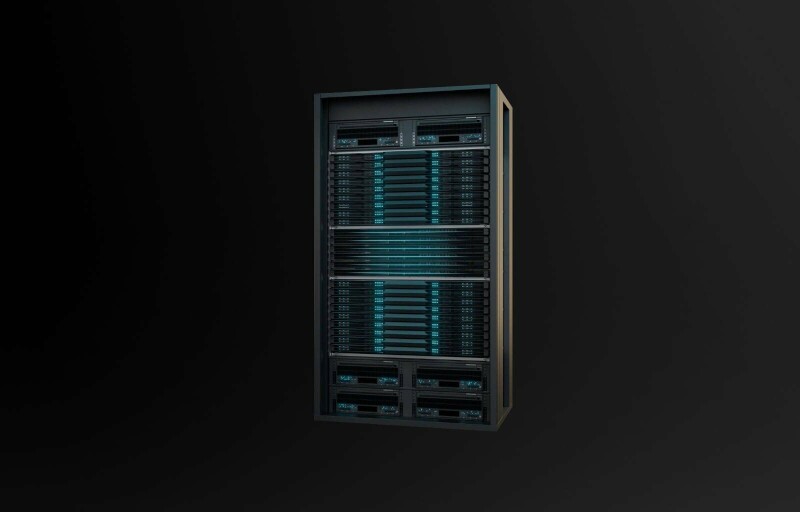
AMD is making significant strides in improving the efficiency of its AI systems, aiming for a 20x boost in rack efficiency by the end of the decade. As of 2026, their systems are already 4x more efficient than they were in 2024. This progress has been driven by various optimizations, including support for 4-bit floating point data types, new memory technologies, faster interconnect speeds, and the transition from conventional GPU servers to fully-integrated rack-scale systems.
AMD's latest development is the Helios rack-scale compute platform, which houses 72 MI455X GPUs in a single massive system. While each MI455X GPU delivers up to 15.4x higher floating point performance and 4x faster memory compared to the MI300X, it also consumes more than 3x the power. However, AMD's success lies in its ability to scale AI workloads efficiently across the 72 accelerators.
Although Nvidia has launched similar rack-scale systems, AMD uses a different methodology for calculating efficiency, focusing on weighted max achieved FLOPS, memory, and interconnect bandwidth for training and inference. The first Helios units will be available this quarter, with MLPerf and InferenceX benchmarks to follow. If AMD meets its targets, two Helios racks could deliver the same computational power as 570 racks from 2024, effectively providing 20x more compute capacity with the same power consumption.
Written by urgent.news from The Register's reporting — not their text. Machine-written — may contain errors; check the original before relying on it.