Aktien: Chinas neuer Börsenrausch – was steckt hinter den vielen Tech‑IPOs?
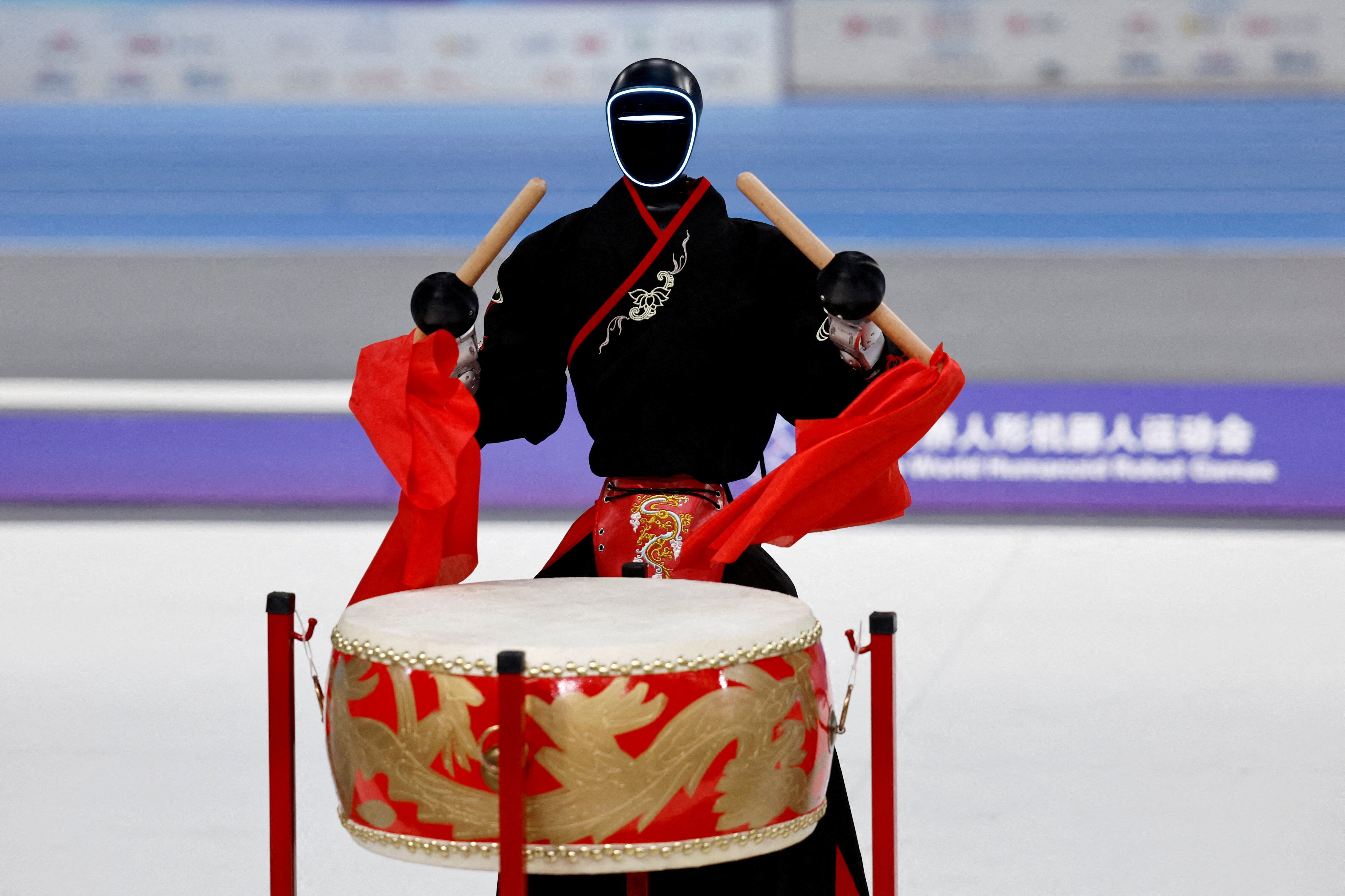
Chinas Aktienmärkte boomen wieder, wie das Börsendebüt des Roboterherstellers Unitree in Shanghai zeigt. Doch die IPOs sind staatlich gelenkt und New York bleibt faktisch versperrt.

In Shanghai, China's stock markets are experiencing a comeback following a long period of stagnation. The stock of Chinese robot manufacturer Unitree saw a dramatic increase during its debut on Wednesday morning in Shanghai (local time). The initial offering price of the company's shares was 150.80 Yuan, while the trading price shortly after the opening was 1100 Yuan.
However, by the morning of Shanghai time, the share price fell below 900 Yuan. Unitree, based in Hangzhou in eastern China, is the first humanoid robot manufacturer to be listed on the mainland Chinese stock market (excluding Hong Kong). The company raised 6.1 billion Yuan, equivalent to approximately 783 million Euros, through the IPO.
A total of over 40.4 million shares were sold. Demand from individual investors surpassed that of the spectacular initial public offering (IPO) by Chinese software company CXMT in late July. According to financial news agency Bloomberg, the portion of the Unitree IPO reserved for individual investors was 5526 times oversubscribed, while other media reported an 8000-fold oversubscription.
However, this is not a typical stock market frenzy like previous years, but a politically guided and selective boom: In China's authoritarian state-capitalist system, the state and regulators influence who gets fresh capital and who does not.
Written by urgent.news from Handelsblatt's reporting — not their text. Machine-written — may contain errors; check the original before relying on it.