Urgent.News

One page, thousands of outlets. See who else covered it.

Editions

AI

AI systems in smartphones may help detect eye diseases: study
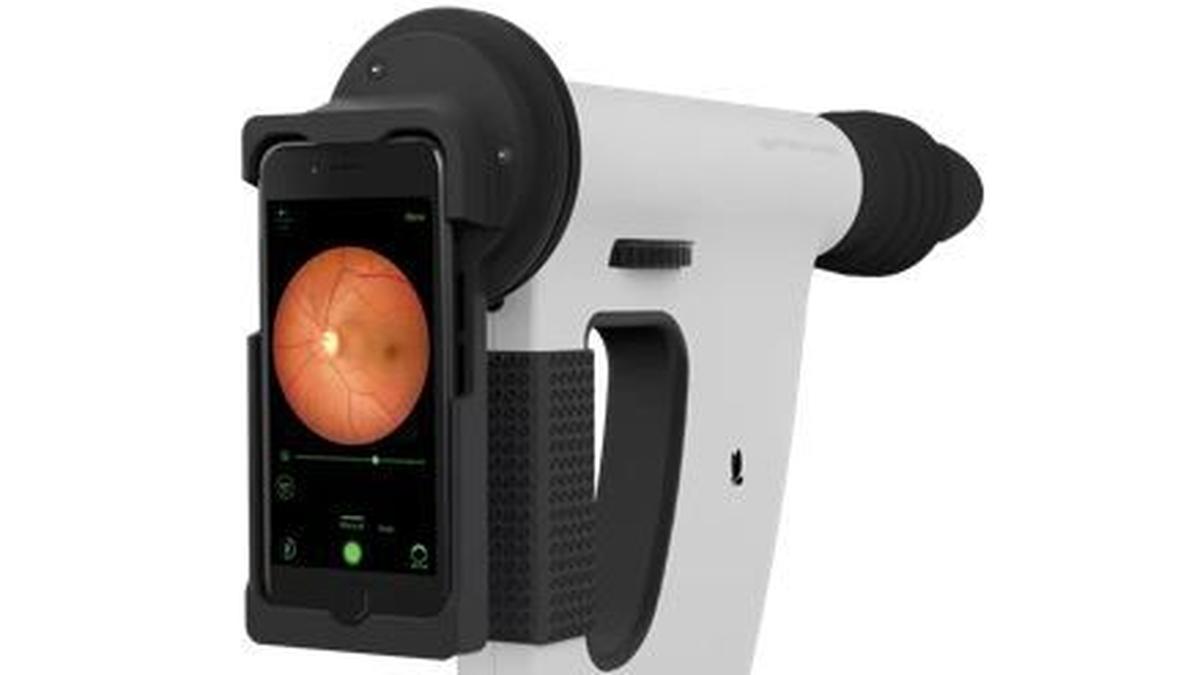
AI systems in smartphones may help detect eye diseases: study

A new study published in the European Journal of Ophthalmology has shown that an AI system based on smartphones can accurately detect major eye diseases such as diabetic retinopathy, age-related macular degeneration, and glaucoma. Conducted by doctors from the NIO Super Specialty Hospital in Pune, the study involved 193 adults aged 18 and above with DR, glaucoma, AMD, or healthy fundus, resulting in exams of 371 eyes.

Utilizing a Remidio Fundus on Phone (FoP) platform with Medios AI multi-disease software, the study achieved impressive diagnostic accuracy: for glaucoma, sensitivity was 98.2% and specificity 99.0%; for AMD, sensitivity was 88.9% and specificity 97.5%; for DR, sensitivity was 84.6% and specificity 99.0%. The offline AI system, approved by the Central Drugs Standard Control Organisation, performed well in a resource-limited setting, indicating potential for scalable point-of-care retinal screening.

Written by urgent.news from The Hindu Health's reporting — not their text. Machine-written — may contain errors; check the original before relying on it.

Also reported by 1 other outlet

Read the original at thehindu.com →

More in AI

Behind the Curtain: The new existential threat to AI

Forget energy. Forget chips. Forget China. The most clear and present danger to AI and any AI-related economic boom is rapidly rising public opposition to U.S. data centers. Why it matters: Republicans and AI CEOs are in full panic mode watching politicians and the public turn on the physical engines of AI growth.

OpenAI blinks first in AI safety standoff

OpenAI said Tuesday it is pausing some model work over safety concerns, days after rival Anthropic doubled down on insisting that its own safety measures were solid enough that it didn't need to slow down.

MCP Control Planes Bring Governance to LLM Tool Calls in Production Automation

MCP servers give large language models a route to query data sources, call software tools, and trigger actions in connected systems. That capability also changes the security boundary. n8n argues that production deployments need a dedicated MCP control plane to govern which actions an agent can take, under what identity, with which…

More from Wednesday 19 August →