After paper mill closure, Millinocket, Maine bets on tourism and new industry
Millinocket, Maine, once thrived around Great Northern Paper Company, but the mill’s 2008 closure transformed the community. In Peter Santenello’s exploration, longtime residents recall lost jobs, stability and a shared way of life, while local businesses and tourism offer hope. As the town seeks new industry, its resilient residents remain determined to rebuild.
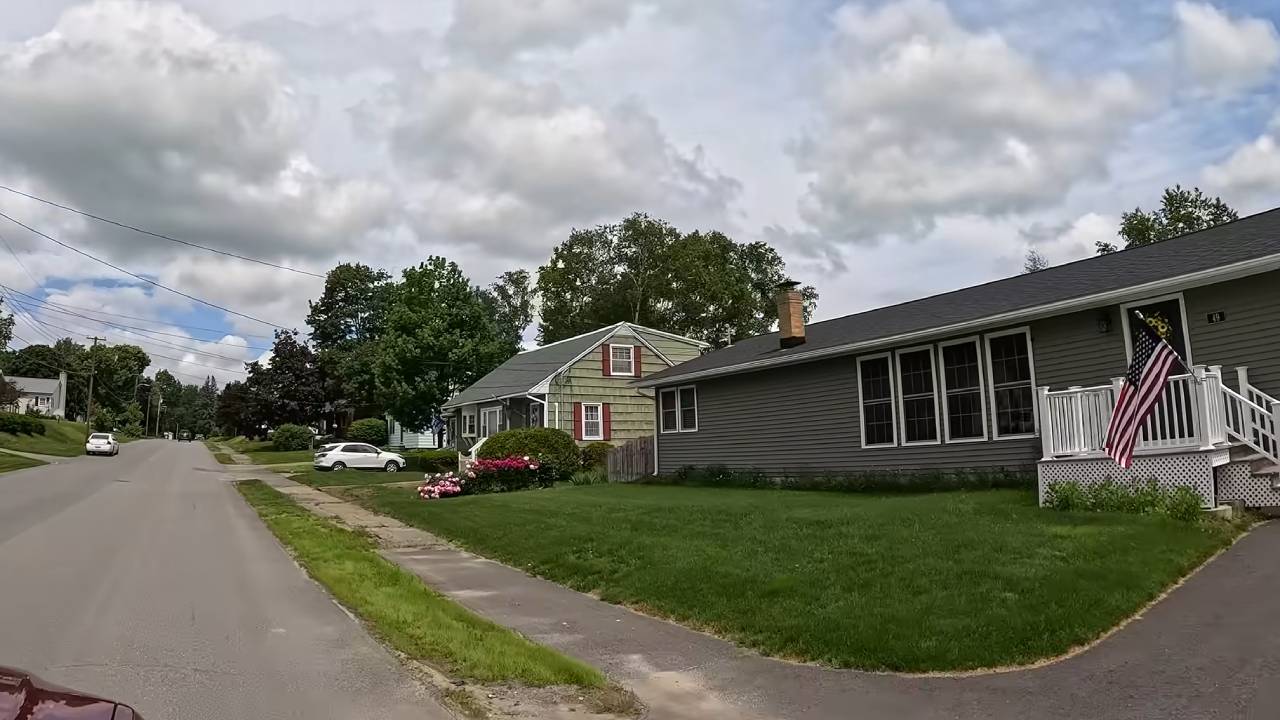
Millinocket, Maine, a once-vibrant company town centered around the paper industry, now seeks to reinvent itself in the wake of the Great Northern Paper Company's closure in 2008. The mill, which provided jobs and stability to countless residents, was the lifeblood of the community, but its closure sent shockwaves through the town's economy, population, and identity.
Local resident Dick, who worked at the paper mill and was involved in its eventual shutdown, recalled how the company owned virtually all the real estate in town at one point. He explained that the Great Northern Paper Company helped employees build homes by providing labor for foundations and other construction work. The company was also a major taxpayer, supporting local institutions like schools.
However, the mill's closure left a profound impact on the community. Dick remembered the devastating news that the mill would close, despite employees working hard to demonstrate profitability. He acknowledged that competition with Fraser Paper in Madawaska may have played a role but emphasized the emotional toll of losing a beloved job and community.
In the years since the mill's closure, Millinocket has pivoted towards tourism and outdoor recreation. Its proximity to Mount Katahdin and the Appalachian Trail has attracted hikers, seasonal residents, and outdoor enthusiasts. However, Dick believes that tourism alone cannot replace the wages and economic stability once provided by manufacturing.
The town's schools have also suffered from Millinocket's decline. Where a graduating class of 356 students once existed, the 2026 graduating class was estimated to have just 35 students. Despite this decline, the community remains strong, with a sense of unity among its residents.
Local business owners, such as Jamie, who runs a company producing products from reclaimed wood, are working to keep the town alive. Jamie acknowledged the enormous economic hole left by the mill, stating that no local business has replaced the hundreds of jobs the company provided. Another resident, electrician Joe, shared his story of adapting after the mill's closure, going back to college and training in a new industry with assistance available to displaced workers.
As Millinocket navigates its uncertain future, the town's residents recognize the importance of striking a balance between tourism and economic stability. They understand that while recreation is important, people also need to earn a living. In this new era, the community will continue to rely on the strength of its people and the diverse industries that support it.
Written by urgent.news from Times of India's reporting — not their text. Machine-written — may contain errors; check the original before relying on it.